
There are major spoilers for the entire run of Making a Murderer. If you are trying to avoid spoilers, why did you click on this? Either way, they are ahead, so if you want to watch the show unspoiled, please bookmark this and come back when you’re done!
Introduction

As a writer, especially as one of crime, I find these sorts of cases to be very curious. It is also especially curious when a purported miscarriage of justice has occurred. People believe in the justice system. They need to believe in the justice system. It’s important to believe in the justice system. Most Americans believe that the police do their jobs well and make sure that when someone is investigated, tried, and convicted that the system has gotten it right and that the right person is paying their debt to society.
I have spent time on 3 major subreddits to understand public opinion and get a sense of what people are saying and different small details about the case that I find interesting. I also have spent time at the following locations to develop this piece:
https://www.newyorker.com/magazine/2016/01/25/dead-certainty
http://www.vulture.com/2018/10/kathleen-zellner-steven-avery-making-a-murderer.html
https://people.com/crime/attorney-for-making-a-murderers-steven-avery-wants-new-trial-points-finger-at-victims-ex/
http://www.kathleentzellner.com
http://www.vulture.com/2018/10/kathleen-zellner-steven-avery-making-a-murderer.html
https://people.com/crime/steven-avery-now-kathleen-zellner-new-evidence/
https://www.themarshallproject.org/2016/01/05/penny-beernsten-the-rape-victim-in-making-a-murderer-speaks-out
http://www.law.northwestern.edu/legalclinic/wrongfulconvictionsyouth/
https://twitter.com/ZellnerLaw?ef_src=twsrc%5Egoogle%7Ctwcamp%5Eserp%7Ctwgr%5Eauthor
https://twitter.com/i/moments/1054799869938987012
https://www.bustle.com/p/kathleen-zellner-updates-from-2018-show-shes-committed-to-steven-averys-appeals-case-12793824
https://www.postcrescent.com/story/news/local/steven-avery/2016/01/15/kratzs-pretrial-behavior-called-unethical/78630248/
https://www.reddit.com/r/ticktockmanitowoc
http://georgezipperer.blogspot.com/2017/07/the-state-of-wisconsin-acted-with.htmlhttp://www.stevenaverycase.org
https://www.reddit.com/r/StevenAveryCase
https://www.huffingtonpost.ie/entry/making-a-murderer-part-2_uk_5bc886d4e4b055bc947e0fea
https://www.reddit.com/r/StevenAveryIsGuilty/wiki/index
https://www.reddit.com/r/MakingaMurderer/comments/4d65x6/okay_guilters_heres_your_chance_change_my_mind/d1r8yi8/
https://www.reddit.com/r/StevenAveryIsGuilty/comments/5g0bj2/complete_sequential_photo_exhibit_list_with_links/
https://www.reddit.com/r/StevenAveryIsGuilty/wiki/whyguilty
http://www.stevenaverycase.org/wp-content/uploads/2016/02/Avery-Activity-Log_Manitowoc.pdf
https://www.reddit.com/r/MakingAMurderer
I love context. I don’t want to know that something happened, I want to know why and all the important details. In my creative non-fiction analysis of this piece, I’ve used creativity to set the scene and put the story in context and I have relied on the facts in the case, as convoluted as they are, to anchor the story and inform us as to what happened and help us decide of Avery and Dassey really did commit this crime or if another answer is available.
To learn more about the case and get certain times and details correct. If I have left out any important details, please contact me through this site. If you find my analysis to be lacking, working, or part of some elaborate conspiracy please feel free to discuss that on social media. I will reply to serious discussion in regards to my piece. I won’t respond to inflammatory messages of any kind.
A Summary of the Show So Far

I’ve gotten sucked into the rabbit hole that is the Steven Avery case. Like many Americans, I watched season 1, 2 years ago with rapt attention as we learned about how 1 person can seemingly slip through the cracks of justice: twice.
Season 1 spent most of it’s time focused on the Avery-Dassey-Tadych family and the simple injustices of the the criminal justice system. Season 1 seemed to make it out like the entire system was against Steven Avery and his family, mostly stemming from the payout of a $36 million lawsuit against Manitowoc County for 18 years of wrongful imprisonment as a result of the false 1985 conviction for the rape of a local woman, Penny Beerntsen. Class in the area is a large part of this story. I’ll dive into that in a bit. Shortly, after the filing of that lawsuit, Steven Avery was accused of another terrible crime: the murder of Teresa Halbach. In 2007, Avery was sentenced to life in prison for the crime. The trial was highly publicized at the time because of Avery’s previous exoneration. His nephew, 16 year-old Brendan Dassey was tried and convicted of sexual assault and accessory to the crime and sentenced to prison. He will be eligible for parole in 2048 when he is 59 years old.

In season 2, we see a new cast of characters including powerful attorney Kathleen Zellner, who after season 1 agreed to take Steven’s case. We also get to meet Brendan’s new legal team the Center for the Wrongful Convictions of Youth which is apart of the Northwestern University law school. His lawyer is a young woman named Laura Nirider who with Steve Drizin, work in this office. In season 2, we watch as they wind their way through the legal system all the way up to the Supreme Court scoring 2 major legal victories, including in front of a 3 judge panel at the 7th Circuit Court of Appeals along the way in their efforts to free Brendan Dassey. For Steven, we see Zellner hard at work to finally get his appeals moving. He had no lawyers for awhile and was working on his case on his own. Of course, his case didn’t get very far. In 2016, Kathleen Zellner, doyenne of the innocent convict, decided to take on the Steven Avery case. The bulk of season 2 is spent with splashing pictures of Zellner in her shiny black Cadillac traveling around the Avery salvage yard, reassuring Steven Avery’s aging mother, and filing a massive 1,200 page petition to the Wisconsin appellate court. Zellner is a tour-de-force of expertise and theories. She even goes so far as to buy a nearly-identical version of Teresa Halbach’s car for various experiments in blood patterning and in moving bodies and including her shooting at .22 caliber pistol at the garage where Steven lived to recreate bullets to compare to the bullet found in the very same garage. She also experiments with the possibilities of the caliber being unable to both enter and exit Teresa Halbach’s skull. The test using bovine bone and ballistics gel seems to provide an answer that the caliber was too small to transit the human brain. Zellner takes you through the various legal challenges she faces in Steven’s case. She has to come up with someone else who did and impeach the evidence in the original trial. She is doing this by presenting others like Barbara Janda Tadych’s husband Scott as a possible suspect and showing the Brady violations where the defense team was not given exculpatory evidence that would help their case. I am not going to go through all the legal in this article. The show does a better job and I recommend watching for that reason.
But first, let’s take a step back to 2015. It’s been 10 years since the murder of Teresa Halbach. Steven and Brendan have been in jail for 8 years at this point stemming from their 2007 convictions. The world is about to learn about the Avery-Dassey case for the first time. That is where I would like to begin my analysis.
Welcome to Manitowoc County Wisconsin

The setting is stunning. Manitowoc County is in the eastern part of Wisconsin near Lake Michigan. Mishicot is the closest village to the Avery Auto salvage yard. The area is dominated by fields and Interstate 43. The towns of Francis Creek, Two rivers and Maribel all surround the area. Sheboygan is several miles to the south. Green Bay is the nearest city center to the north of the events. The documentary features images of the stunning agricultural beauty in the area. This area is the heart and soul of the upper midwest. Green Bay is just up I-43. Most of the people in the area support the Packers. You’ll find prominent yellow “Gs” on cars, jackets, and people passing through the small towns and shops of the area. The area isn’t particularly wealthy. The main areas in which people are employed include manufacturing, healthcare, and retail.
The Avery Auto Salvage yard features several acres of disused cars of various years, makes and models. This auto shop and wrecking yard sits on scrubby land near a gravel quarry owned by Joe Radandt. The yard is full of grass and dirt roads in between sections of cars. The show reveals sweeping aerial views of the busy car yard and as a part of the human interest story portion of this show, shows how empty the salvage operation is becoming due to the financial problems facing the Avery family. Sadly, the resulting publicity has turned off many people from working with the Avery family and they have started to sell off massive amounts of their disused cars to keep the lights on. At one point in the show, Earl talks about all the things they can’t afford, like a new transmission on their tow truck and the lease on some heavy equipment they use in the yard. The area is lush and green in the summer but drab and brown in the harsh Wisconsin winter. It’s also the purported scene of a grisly murder.
The Crime

As those who have already seen season 1 or paid any attention to the coverage, Teresa Halbach was a young woman who worked as a photographer for Auto Trader magazine in the area. Photography was her passion. It was a passion she had taken up during her time at the University of Wisconsin the communications department. She aspired to be involved in local media. She’s a pretty young girl who kept her hair relatively short; her light brown hair was cut neatly at the earlobe. She had a pleasant smile and would certainly be described as attractive. The Halbach family was local to the area. Their family photos in the documentary look like an ad for Sears or JCPenney. They seem to be good, wholesome people whom have been visited with a terrible tragedy.
On October 31, 2005 she was in the area taking photographs of cars for various Auto Trader clients. One of those photography stops was for Steven Avery. He had called Auto Trader to have pictures of an aging Chrysler van taken for the magazine. He gave his sister’s number to Auto Trader magazine as a contact. Steven’s sister Barbara lived next to him a trailer near his own. Steven Avery requested Teresa Halbach by reputation saying “send the same girl you sent the last time” when he placed the order. As the story and the timeline goes, Teresa Halbach arrived close to 2:30, perhaps around 2:25 or so. In a five minute exchange, Teresa arrives, takes photos of the van, gives Steven an AutoTrader magazine, receives payment and then leaves. There are 2 small discrepancies here already. One account has Teresa going into the small red trailer and one account has her staying in the driveway. The account of her entering Steven’s weather-beaten trailer plays more to Avery being responsible for the eventual demise of the young photographer.
According to Steven and other sightings of her car, she left the Avery property quickly and made her way back out to the highway. The other problem is that Teresa calls earlier in the day and leaves a message saying that she doesn’t have an address for the photography appointment and that she’ll need one. Somehow, either through a phone call or a call back to AutoTrader, she gets the address because she definitely arrives at the Avery property to take photos of the van. It’s never really made clear how she cleared up the address problem. In either case, Steven reports her leaving and there is another eye witness that reports her leaving the Avery property. The final phone call from her cellphone pinged a cellphone tower at 2:41. That ping is south of the Avery property by at least a mile or more. After that, the cellphone never pings a cell tower again. At 4:35, Steven Avery calls her number and leaves a message about needing another car photographed and to give him a call about it.
Teresa Halbach becomes a missing person on November 3, 2005 at 4:00 pm when her mother calls the local police to report her missing. That same day, Calumet county calls Manitowoc county for assistance. While the disappearance happened in Manitowoc, Mrs. Halbach lived in Calumet county where Teresa lived as well. On the first day the police speak to Avery, Zipperer (another appointment) and Schmitz (also another place she had gone on an appointment). At this point, Teresa has been dead for 4 days. Volunteers start searching for Teresa Halbach or her car. Posters of her picture and a picture of the car were widely circulated. November 5, 2005 is when the investigation, at least on Avery, picks up because her car is discovered in the salvage lot by Pam Sturm. Aerial surveillance had taken place beginning on the 4th to look for her car on any roads in the area including roads leading to Green Bay where she had several friends. Any real investigation to this crime ends on 5 November because the narrative around Avery being the killer is firmly cemented in the minds of the police. Zellner exposes this on the show. Other leads and possibilities were not followed up on. Once the police had someone who could be easily charged with the crime, they no longer were looking for a killer, they were simply looking for reasons why Avery had done it. On November 9th, Steven Avery is arrested for being a felon with a firearm and the first time that bone fragments are recovered. DNA from the family is collected as well. On November 15, 2005, Steven Avery is charged with the murder of Teresa Halbach. Steven has not been a free man since then.
The Murder
One of the problems with this case is that we don’t really know how Teresa Halbach was murdered. We have a few theories:
Her throat was slit
She was shot in the head
She was bludgeoned to death with an object (possibly a tire-iron)
The only thing we know for sure is how the body was disposed. The body was burned and the remains were found at multiple locations in and around the Avery property.There are other possibilities, for instance, maybe there was a family fight or maybe Teresa was attacked another way. Perhaps, our other suspects used the garage and property for the killing. At first blanche, the gun evidence seems damning. Ballistics show the bullet came from his gun. Fine. However, when examined, the bullet was lacking in DNA evidence and according to Zellner’s test, too small to exit the head of the victim. The bullet recovered from the garage that is supposed to have killed her has no DNA evidence, when it should be covered in DNA.
Here’s another problem. If Teresa was at any point loaded into the back of her car, shouldn’t there be more blood at a better variety of angles? The biggest problem with the blood in the car is how it got there. The original theory it was taken from a 1996 goal of Avery’s blood. Zellner’s test posited that it was possible to get it from Avery’s sink and then put it in the car. However, there’s no who, how, and at what opportunity. Further, her investigation seems to rule that blood sample out. She posits that the blood came from Avery’s sink where he had been bleeding from a cut on his right index finger that day, in front of Bobby Dassey. In the show, Zellner retrieves the very sink he bled in and preforms a series of tests trying to show how this was very possible. Steven reported that the sink had been cleaned of all blood by the next day and that he had not cleaned the sink.
To compile the complications around the murder, the 4:35 pm phone call from Avery, unblocked, to Teresa Halbach is interesting. Why? Because why would someone who would have spent their afternoon potentially cleaning up a crime scene, bother with a phone call to her phone? Seems that he would be a bit busy scrubbing the garage, among other tasks to bother with that phone call. It’s a nice idea to think it was placed in order to cover up a crime but then we need Steven Avery to be smart and dumb at the same time. If he’s smart enough to place a phone call in order to cover up the fact that he just raped and murdered a woman then why wouldn’t he bother with some of the easier tasks, like a better way to dispose of the key or cleaning out the back of her car which is already a difficult piece to fit in. And if we try to match that up with the unreliable Dassey testimony then we have more problems because at what point would Avery had stopped cleaning to make the call? Did the cleanup operation start afterwards? Why has Dassey ever mentioned the phone call? According to Avery, he was hanging out in his home and also had to get ready to go a local hardware store and then spent the rest of his night home alone including his claims of watching pornography at 9:00 p.m. and going to bed.
Who Else Could Have Done It?
According to a filing from Zellner, Hillegas and Halbach had a physically abusive relationship and that since she had moved on he was very bitter. That’s quite a nice motive and we know that he had opportunity. It seems to me that it would be fairly easy to plant enough evidence around to throw suspicion onto Avery. A well-placed vehicle, some well-placed pieces of evidence, and some less-than-honest cops would be all that would be required in order to create the appearance that Avery had done something he hadn’t. Ryan Hillegas would also require transportation for the body and a place to dispose of it. That explains the blood in the RAV4 and the wide field of remains in a much better fashion. For example, if she was accosted on the side of the road near where a trucker had said her car had been seen (unreported by the police at the time) then he would have to move the body, burn it, and dispose of the remains. He would also have time to clean the car and others would have time to plant evidence or assist him in these efforts.
How do we know that the police didn’t simply use this as an opportunity. Hillegas committed a crime and did enough to throw suspicion and the cops simply went down the primrose path they had been pointed. This has much less to do with being crooked and more towards incompetence, an incompetence with which the officers involved in this case seem to excel. Even if Hillegas didn’t work with the cops directly, he certainly did a good enough to job to play into their existing biases.
The Crooked Cops

Season 1 made a big deal out of how crooked the Manitowoc sheriffs department was in the original 1985 Avery case. They also made broad highlights on questionable police behavior throughout their involvement in the 2005 case as well. Season 1 made the case quite strongly that the Manitowoc county cops had it out for Steven Avery and the whole family and they were going to make sure that Steven and later Brendan, went to prison for a very long time. Much has been made of the lawsuit that Avery filed. The insurance company for Manitowoc county did pay out his settlement and Avery used that settlement to pay for his 2007 trial.
Proving crooked cops is difficult. We trust the police. But two things stand out to me:
The Coroner never investigated the scene, despite being the chief law enforcement officer when a dead body is present. She went on to resign over the matter.
The cops who had been involved with Avery before were mysteriously involved in a case they weren’t supposed to touch. Instead, they were nearby at crucial moments.
Season 1 spends quite a bit of time on planted evidence and the strange inconsistencies and poor actions of the police. This idea of crooked cops plays well into the narrative of the show in season 1. This has fueled much of the public outrage and protests in regards to this case. However, season 2 does a fairly good job of exonerating the police of being dishonest and plays much more into their incompetence and of being more a help to Ken Kratz. Zellner maintains that the police aren’t responsible for certain aspects of the crime (like planting the car). She hasn’t revealed who she thinks that might be. The evidence and the time line does seem to exonerate the cops of planting all the evidence and then framing Avery. However, there is an opening for someone else to assist them in confirming their own bias through planting of evidence. Season 2 works with this theory at length.
The Car

Teresa Halbach drove a 1999 Toyota Rav4. The RAV4 is a small SUV. Her year of RAV4 was available in a 2 door soft top with 2 wheel or 4 wheel drive and also with 4 door two wheel and 4 wheel drive. She had the 4 door 4 wheel drive (I presume on the 4 wheel drive, it is Wisconsin) version. Her RAV4 was painted a factory shade of dark green. The familiar body style was in use with very few changes from 1995-2000 and an updated model is still on sale today. It is one of the most popular small SUVs. The body is mostly painted but also has large plastic panels that warp around the lower part of the body panels, including the passenger doors and the cargo door.
Zellner maintains that the car was driven into the lot and possibly placed where it was found or (according to her October 23rd Twitter Q and A) towed into place. Apparently it was packed in with other cars and would be difficult for a driver to exit. However, her front driver’s parking lot was broken and found in the back of the RAV 4. In the show, Zellner credits that damage with someone using it push a 1972 Ford Pinto wagon out of the way to place the vehicle in a disused part of the yard near the conveyor road that led into the nearby quarry at the time. As I’ve said, that road no longer exists. The cars were in place to stop anyone coming off the conveyor road from driving into the yard. However, because the powertrain of the cars had been removed (according to Earl Avery) the cars would be light (just empty metal bodies) and easy to move with another vehicle.

Upon recovery of the vehicle, hidden under debris, in the Avery Salvage yard, near the conveyor road (that no longer exists) against a burm in the rear of the property; it is found to be missing a parking light on the front driver’s side. Blood was spread throughout the car. Blood residue belonging to Teresa Halbach were found in the rear cargo door and in the cargo area. It was located on plastic interior panel pieces. Steven Avery’s blood, from a bleeding right index finger, are found on the metal frame of the passenger door, on the plastic dash panel behind the ignition, and the carpet between the driver’s seat and the console which covers the transmission tunnel. It was later discovered that Steven had also left some DNA on the hood latch. However, there are problems with that DNA evidence as revealed by Kathleen Zellner is season 2. Zellner maintains that the “sweat DNA” which seems highly suspect, actually came from groin swabs the police collected from Steven but then were ordered to be discarded. There is no evidence that they were and it could be easy to simply refile the swab as take from the hood-latch. Season 2 spends time on the problems of the clean swabs from the hood latch. Hood-latches are dirty; they collect road grime. Most swabs from cars have that grime on them. Swabs taken from an automobile similar to the victim’s car had the grime. One of the incriminating pieces of evidence that really turned public opinion against Avery at the time of trial was the DNA on the hood latch. It was hardly established why he was under the hood. It was a possibility that he was disabling her car so that she could not leave and it comes up in the Brendan Dassey testimony (with all it’s problems). It is posited that the hood-latch DNA came from the groin swabs from Avery and that they were simply refiled to better fit Ken Kratz’s story.
There are also problems with the blood. One of the things that is most impeachable about the evidence is that somehow, Avery’s and Halbach’s DNA never mixed. There was no instances where their DNA was found together when it shouldn’t have been. If he was bleeding and she was also bleeding from the attack, there is no reason that his blood is in the front of the cars and hers is only in the back in patterns that are impossible to replicate easily. This is also difficult because if she never left the property and he killed her in the garage, then there’s no reason for any blood to be in her car like it is. If she was killed in the house or the yard there is no reason to use her car to move the body around. This also goes into another problem with the physical evidence. An interesting fact is that Zellner maintains the car was wiped down because there is a suspicious lack of other fingerprints in the car including ones that should have been there like Teresa Halbach’s finger prints. Again, this points to the fact that someone was trying to point the police in a direction.
There’s several loose ends like where the RAV4 was between it’s sighting on the road andit turning up at the Avery yard. There’s several days of early November where we don’t know where the car is exactly or what happened to it. Now here’s a problem. If I’m the killer, and I’m moving this car about and hiding it, say I’m Avery, why not clean the car? According to one theory he scrubbed the garage floor, why not scrub the car? Especially once it hit the news. Late at night, he could have quietly gone out and disposed of all DNA. If he took time to remove finger prints, why leave the blood? This clearly shows the car was tampered with in some way. Even Halbach’s blood may have never come from her body directly. Zellner creates quite a scene in season 2 where they heft a weighted model in and out of the vehicle to create the blood patterns but are unable to repeat the blood evidence in the lab in a similar car. However, if the blood was collected and spread around like spraying the rear cargo with a stiff paint brush or spreading her blood around with rags and other instruments.
The car is a classic case of the intelligent and stupid criminal working at the same time, at least in order for the story at trial to fit. Teresa disappeared on 10/31. Her car was found on November 5, 2005 at 10:15 by a woman, Pam Sturm, who had been directed to search the area by Ryan Hillegas. This left Avery 6 days chance to clean the car, disappear the car, or otherwise get rid of the evidence. Why would someone who had so carefully burnt up a body, a cellphone, a camera, and whatever else not bother to do something with the car? He could have crushed it the next day and sent it to be recycled just as quickly. He could have found a better place to hide it even before the search started in November 4th.
Many people have asked if they did fingerprinting on the RAV4. According to Zellner’s twitter feed on a Q and A dated October 23, 2018, there were 8 unidentified prints pulled from the vehicle. They eliminated Steven and Brendan. The car looks to have been cleaned because no finger prints from Teresa Halbach were found. Her fingerprints should have been everywhere, especially around the driver’s area of the car. None were found. This is a major problem. Zellner is getting access to the vehicle which has lived the rest of it’s useful life in the Calumet County Evidence locker in a wooden crate.
The Key
Then there’s the key. The key is central because once they find the key in Steven’s trailer, the case against Steven begins to pile up. Having the car on the Avery property was bad enough but the key seems to seal the deal. There’s no real proof of how it got there and the DNA evidence on the key seems to be difficult according to Zellner’s analysis and it has no fingerprints, especially those of Teresa Halbach. It also has been noted by Zellner and others that they key was not an everyday key used by Teresa. The actual key to her car may no longer exist. Who might have access to an extra key? Ryan Hillegas or Scott Bloedorn. Bloedorn has an alibi but Hillegas does not according to cellphone records. We don’t have any other explanation because he was never asked at the time by the police. This is yet another area where the incompetence of the sheriff’s department obscures the truth.
Why hide the key in the bedroom? There has always been something odd about it’s location. Let’s put ourselves in the shoes of someone who has committed murder. You retrieve the key from her. You commit the murder, burn the body, and the equipment. Now you have this key. Burning it will do no good, it may survive a fire. Although, I’ve burned fires hot enough to melt thing pieces of metal and kitchen door hardware, I can see why the saavy criminal would opt to not burn the key. Besides, it makes the car hard to move. So why take it inside? Why not stash it in the messy garage where it would be hard to find. Again, our criminal needs to be smart and stupid at the same time again. However, if someone else killed her, disposed of the real key and left the key inside Steven’s trailer, that begins to add up to a very different version of events.
The Garage
The Dassey garage is difficult. Steven was using for storage and private mechanical and wood working projects. It’s dusty and full of items. It’s also packed with equipment and according to one of 2 stories about this crime, a possible crime scene. However, this falls apart readily. Where is all the Halbach DNA in the garage? Surely in a space with such mess, something could have come up. If blood was seeping up through the floor, why was that never reported or followed up on? If prosecutors were working at winning, this sort of thing would be vital. Also, the garage comes into play after the Dassey confession, a confession with all of its many problems. The garage was searched early on but it only came into focus after the police extracted the confession. The garage is also where they found the bullet (item FL) that is supposed to have killed Halbach. It doesn’t make for a very good crime scene. It’s simply missing too many pieces that should be there. In crime, what isn’t in a location is as important as what is there; especially if someone is trying to convince investigators of something other than the truth.
Fire Pits and Burn Barrels
Much has been made of the burning of Halbach’s body. The investigation of burn barrels and fire pits was extensive once the investigation focused on Avery. Bone pieces were found in 4 burn barrels. However, the state’s case centered in burning the body in an open fire pit that Avery had on his property. The fire was witnessed by others including Radandt who talked with Zellner and who was quoted as asking police, “How big of a fire did you want me to see?” The fire pit story also has other problems.
Zellner’s expert, said there should be goo, some say there was goo but due to the coroner being sidelined, we’ll never know for sure. I studied the picture of the fire pit that is available online. You can see the burn carcass of a van seat that Dassey said was in the fire pit. This was discovered by research and not covered in the documentary. You can see the remains of the steel elements of modern radial tires and you can see ash. Any sort of residue from human remains isn’t visible in the picture. This is another area where the documentary doesn’t do the viewer any favors. According to Zellner’s expert in court entered testimony, he believes it could have been a location of the burning of a body in an open fire for more than 6 hours and that the burns on the fragments are consistent with that. The documentary wasn’t as kind during this discussion where he declared in a dramatic moment that there was no way the open pit would have suitable and that there was no residue. According to the expert, a burn barrel would have been closer to a commercial cremation system and would have been a better option for the body disposal.
When it comes to the burn barrels, there’s difficulty there as well. They were searched during the first search of the Avery property but only on 2nd search were bones discovered. Where did they come from? If the cops didn’t put them there (and I don’t think that’s likely, the cops aren’t a crooked as they look) then someone else may have. Avery would have to be a fool to transfer them himself or move them in anyway. And we know that there are at least 1-3 other people who may or may not have been involved and could have possibly made a transfer of these remains. In either case, for the bone remains of a dead woman, these bones seem to move around quite a bit. If he was hiding bones, why only deposit small piles around the quarry and then leave the rest? Also, if he was burning the body why pull out the body and burn more in the burn barrel. Wouldn’t it have been easier to just pile on more fuel? The answer could be simple: her body wasn’t burning fast enough and he wanted to expedite the process. This is a fair argument in favor of Avery burning the body, however, why weren’t the remains found in the first search of the aforementioned barrel? These details don’t seem to line up and yet, they should. The only way that story fits is if the investigating police were simply so incompetent that their search of the barrel was so inadequate that they simply just didn’t notice the remains at first. That means that the only way this story fits is based on police incompetence.
DNA Evidence
One of the things you’ll see quite a bit of in the series is the talk of DNA evidence and swabs. Sterile cotton swabs are used to collect DNA evidence from any crime scene. As I’ve already illustrated in my other points, there are heaps of problems with the DNA evidence in this case. DNA is where it shouldn’t be and where there should be plenty of DNA, there isn’t any at all. For example, in the narrative that Teresa Halbach was raped and then murdered, there should be DNA and other physical evidence in the bedroom and yet, none was found: not on the handcuffs or the bed. Even though the sheets were theoretically burned (smart criminal) if she bled in any way, it should have soaked through to the mattress where it would be much harder to get rid and very easy to find. Also, modern sheets are made with synthetic fibers which means a pile or piles of melted plastic fiber residue may have survived the fire. There’s also the many inconsistencies with the blood patterning in the rear of the vehicle and the dropped blood from Avery. According to Zellner’s test on the show and in her tweets, the blood pattern should be able to be replicated but it wasn’t. A theory that she was bludgeoned with a tire iron (supposedly missing from the vehicle) would explain the blood in the rear of the vehicle, as would the transportation of a body. But thanks to a poor investigation, this was never explored.
Zellner also exposes many of the problems in how DNA evidence was handled and cataloged by various officials connected with the investigation. How evidence is handled and it’s chain of custody is very important. If evidence is tampered with at any point, it’s no longer admissible in court. There are several inconsistencies that sabotage the Dassey-Avery defense teams and there is possible tampering and re-labeling of evidence as well.
Brendan Dassey

Then there’s the Brendan Dassey problem. His story is truly tragic. He’s a quiet kid of a low IQ who has been swept up into this story unnecessarily. The out pouring of support from the public has included a 43″ TV delivered to his parents. However, his part in this story has major problems. His confession adds in an interesting layer of facts that isn’t backed up by physical evidence. It seems to me that the cops used the frightening prospect of being in trouble in some serious way to get answers. The moments that he seems more forth coming are often things that were already known. The way he holds his body and the way he keeps hiding his face, saying that he doesn’t know but them admitting details after the cops ask about certain things is classic police work (watch any network crime drama) but the interview seems to go well past normal police work and into convincing this young man about things and getting him to confess to almost anything that would finger Steven Avery.

The most difficult thing about his confession, despite the way in which the cops obviously manipulated a 16 year old with learning disabilities to go along with their line of thinking, is that he describes a gristly murder that has no evidence to back it up. First she was shot in the garage, then her throat was cut at some point, and this all adds up to murder. The big red flag in this situation is that he comes up with a completely different idea of the murder. His ideas could have easily been lifted from television or video games. At points he looked as if he was willing to say Steven murdered her on Mars if that’s what the cops were interested in hearing. The confession sounds great for the prosecution but it looks bad. It doesn’t look fair and the fear that Brendan felt just bleeds through the screen. Something may have happened on the property but I’m not quite sure if what happened is as described. In any case, his testimony is unreliable at best. He was a scared, 16 year old kid, with no parents, teachers or lawyers nearby to help him or preserve his rights. The police doggedly pursued their story and the fact that 4 different judges have found his confession to be unreliable is a testament to it’s problems.
We’re left with trying to look at seemingly forced confession of Dassey and trying to suss out the thinking of a 16 year old kid In testomony that happened in 2005.
Steven Avery as a Man

The attacks on Avery have quite a bit to do with his reputation. The Avery family is not terribly popular in their local area and it mostly stems from the poor behavior of some members of their family outside of Steven. The family has a checkered past with domestic violence, divorce, and other problems. Avery has a checkered past with all sorts of charges including claims of abuse from his first wife.
There’s a class element here as well. Despite the wealth of the family in the auto salvage business, season puts their relative poverty into stark relief. They are solidly blue collar and working class. That is in stark contrast to the cops and prosecutors. The economic element of this story has been subtly pointed out throughout the entire series and is a central part of the story in season 2. A major narrative in Season 1 is that the county had it out for the Avery family and getting at Steven, beginning in 1985, was apart of their contempt for the family. For better or for worse, it’s easy to look down on the Avery family. The work they do is unglamorous and dirty. Season 2 shows the men working in the shop, dirty faces and dirty fingers on full display. Another poignant scene shows the elder Avery lifting an engine out of a car with a hydraulic lift and removing the header of the engine by himself and moving it some feet to a bench. This is a man who is well past the age of lifting large pieces of metal on his own. Earl Avery shows the filmmakers the now nearly empty Avery salvage yard. Over the past 13 years, they have sold off more and more of the valuable older cars simply to raise money to keep the lights on. The once full yard is now stark with emptiness. The scrubby Wisconsin grass exposed to view for the first time in decades. These are honest, hard working people, making a living their own way, in a depressed part of the country. They get up early, every day and repair cars for the local population and recycle cars for everyone (a valuable service!). These are the people that keep America going. They are the backbone and even poor people with dirty fingers who take apart cars deserve justice.
There are some things in this case that make people wonder about him as a person. For example, he was found to be in the possession of restraints that Zellner describes a novelty items for use with his girlfriend at the time. They were clean of DNA and because they were novelty in nature were insufficient to really restrain someone who didn’t wanted to be restrained. The problem is that it looks bad. However, evidence dispels our initial intuitive response to the fact.
Avery himself seems honest enough. He is a man’s man. He speaks in simple english common to his locality. He is a man of few words. At moments at the trial he looks on as if watching television. Almost as if the trial were a spectacle and less about the arguments for and against his own freedom. In 1985, the pictures from the period show a scrubby young man with long blonde hair and a beard. Famously in court in 1985 his lawyer declares that the mens underwear found in the rape couldn’t be his because “he doesn’t own a pair of underwear.” The young Steven Avery sat there in court looking around during the remark.
Unfortunately for Avery, he has the look of a common criminal. He looks like a TV criminal. I think much of the difficulty with his public perception across both of his cases has to do with the fact that people can easily place him in a criminal scene. Sometimes we’re left with the judgment of a person and that is essentially inobjective. On the surface, it seems like he could have done it. And he certainly seems to have the reputation and ability to do such a gristly crime. This is in stark contrast to the next person of interested in the case.
Ryan Hillegas

Ryan Hillegas is a square-jawed man with a balding problem he had solved by shaving his head and keeping his limited hair closely cropped. He was young man at the time of the murder and he can be seen leading the search efforts in the news footage on the documentary. He was attired in a hoodie, knitted cap and jeans, a typical uniform for a young man of 2005. Teresa’s roommate Scott Bloedorn, presumably needed to pay the rent, moved Ryan Hillegas into her house near the time of the murder. Zellner remarks that it would give him unfettered access to any additional evidence. Anything incriminating him at the home could be have simply been eliminated without the cops ever noticing or following up.
According to Zellner’s research, Hillegas has massive gaps in cellphone history including a 17 hour dead zone during the murder and clean-up operation. It is plausible that he could have been involved. He also provided “helpful” information about the parking light saying that it had been broken already and that Teresa had filed an insurance claim but kept the cash instead of getting the light repaired. However, Zellner proved this explanation false by contacting the insurance company who records no claim. She also found an eye witness who described the car as in “new condition” presumably with all it’s lights attached and body panels in better shape than they were found.
Hillegas’ involvement is interesting because she had broken off the relationship at the time. Ryan played the part of the concerned ex-boyfriend well. Sources say that he wanted to rekindle the relationship but she was not interested and had possibly moved on with other men. The rumor has been claimed that he was angry about already moving on without him sexually. Also, he has no alibi for his whereabouts on the 31st when Teresa Halbach disappeared and the police never asked him. Yet another instance of police incompetence.
FBI statistics (mentioned in the show) shows that when people go missing, the people nearest them most likely did it. While the image of an attacking stranger is frightening, usually, if someone has been killed, the victim knew them in their life. As the old crime fiction addage goes, “The butler did it.” In this case, it might be “The ex-boyfriend did it.”
Scott Tadych

Scott is Barbara’s second husband and they were just about to get married in 2005. He was not mentioned much in season 1 but was a star player in season 2. This was featured prominently in an explosive phone call following Zellner’s first briefing that fingers Scott. Is it possible that Scott and Barb were so angry because they were somehow involved. It’s a hard thing to be accused in court by a lawyer of being involved in the murder. I get that. But language is important. Barb is the angry wife. Her behavior checks out, his behavior does not.
Some of the things he said in the explosive recorded phone call:
“I wish I had never met Steven Avery”
“Cocksucker”
He also issued this social media post about Kathleen Zellner:

Scott is an interesting fellow. He is somewhat fit and good looking. He still has most of his hair and is generally good looking. This is in stark contrast to Barbara’s first husband, Brendan’s father who cuts quite a different figure. He seems like the earnest supporting husband in this season but he was not strongly questioned in the 2005 disappearance despite being nearby (the family lives close together). Of anyone, he would been able to arrange things to make it seem like Avery did it. However, he lacks motive. Unless Bobby Dassey was somehow involved and they did it together. This also leaves another question. What did Brendan see? Was he involved in something else? Did he see something else and merely started talking about events that were unrelated to Steven just to get the cops off of his back? That is only known to a select few people.
The Prosecution

The 2005 case was prosecuted by Ken Kratz who was the prosecutor for Calumet county. The Judge was Patrick Willis of Manitowoc County.
Ken Kratz has gained some weight and grey hair in the intervening period but in 2005 he cut a figure as a hard-nosed enforcer of the law. The current Wisconsin Attorney General cuts the same figure as he continually sought to stop Brendan Dassey from getting out of prison when his conviction was overturned. Ken Kratz looked serious on camera and his handling of the Brendan Dassey complaint was purely made for television. I will say at the outset, Ken Kratz had become a polarizing figure. His pre-trial behavior by holding a press conference has been called unethical. In the show, during the Dassey hearing at the federal court in Chicago, he also holds a press conference in the courthouse right after oral arguments. He likes to be in front of cameras.
However, not all media attention has been good for the former Calumet county prosecutor. Ken Kratz has also been accused of sexual assault himself. Take with this information as you would like. In season 1 it was easy for people to pick him out as a target. Between the bad investigation and the seeming desire to see Avery locked up, much of the public furor has been focused at him as a foil for the various injustices of the criminal justice system. He has published a book on the trial and resulting controversy as well. He has railed against the documentary like in this article.

When it comes to the prosecution, this prosecutorial team performed in the usual way an American prosecutor does. Once they had a suspect, they doggedly made their case and their story fit the narrative that Steven Avery is responsible. This approach often blinds prosecutors from other possibilities. It is less about the truth and more about setting a narrative around the convenient person that is in custody. This type of thing is replete in the American system of justice and that is something this documentary brings to light. This is an area for political reform in our country.
Ken Kratz took this to an extreme. When you watch footage of his arguments in court, it seems as if his priority is simply to paint Steven in the worst light and you get a sense of him telling the jury to “make him pay.” What is sad is that much of this is done in the name of “helping the Halbach family.” An honest conviction would help them the most. Indeed, this show would have never been filmed the way it was or come to international prominence if he had done a better job of seeking out the truth rather than simply making sure Steven Avery and Brendan Dassey went straight to prison.
I don’t think there was any malice in the prosecution beyond the desire to make sure Avery went right to jail, which is ostensibly their duty. However, they went above and beyond to taint public opinion in their favor blinding everyone to the truth and leaving other possibly suspects sleeping more easily than they really should have been sleeping. We know that Kratz was already called out for his terrible pre-trial behavior in the Avery case and in the Brendan Dassey case. The fact that he didn’t expand his prosecution team and separate the two cases is also highly questionable. Although not necessarily wrong in practice, it’s questionable and certainly does nothing for the elevation of transparency in the Calumet county prosecutors office.
Trial testimony and written statements seem to diverge. That’s quite concerning. Because it appears people had time to better fit the narrative that Kratz wanted. Kratz tried both the Steven Avery and Brendan Dassey cases himself, back to back.
Kathleen Zellner
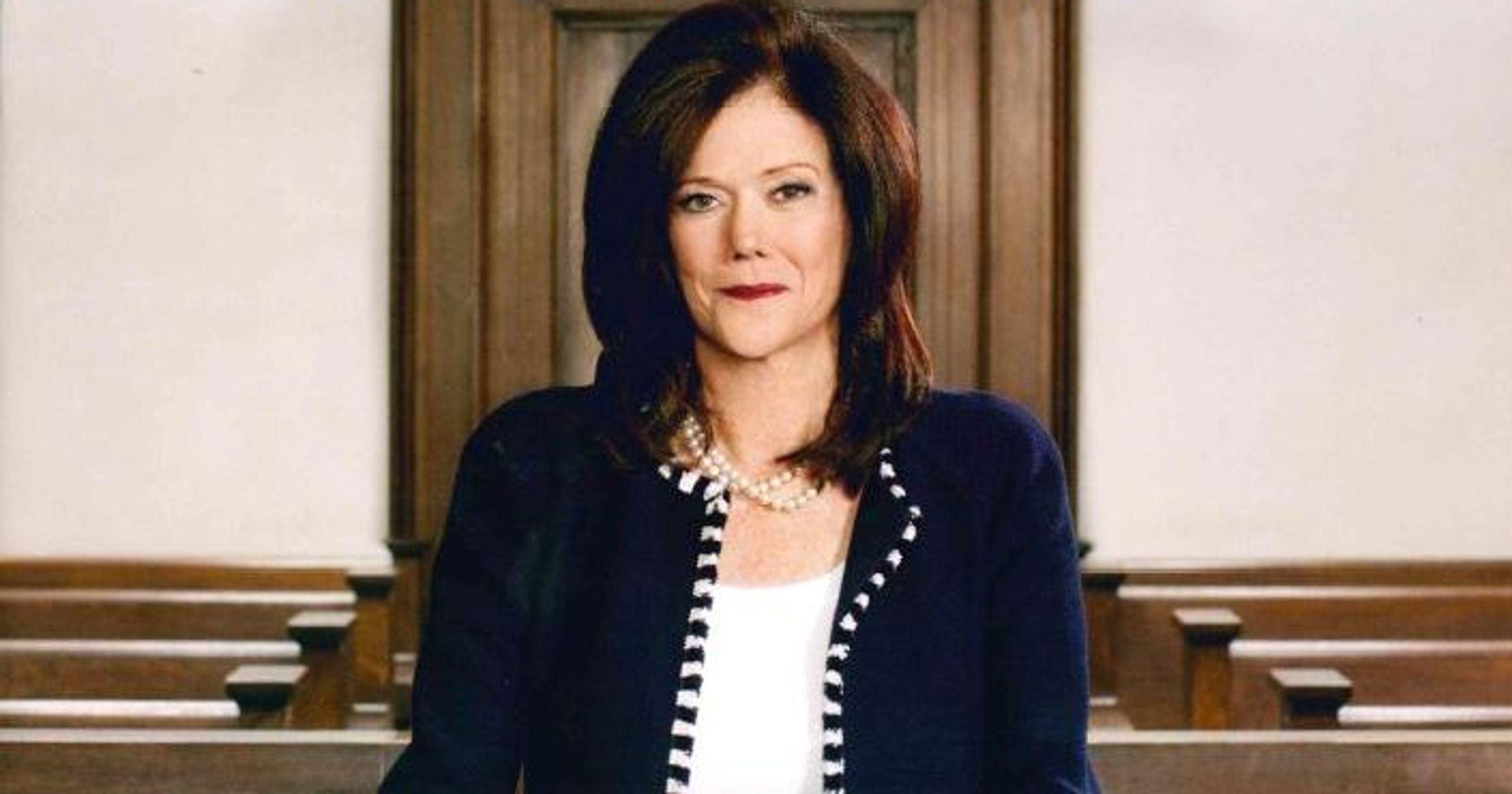
Fresh on the scene, Zellner has become a polarizing figure in the debate about Steven Avery in the court of public opinion. Reddit posts on the Steven Avery is Guilty are caustic and deprecating of the lawyer who has made it her life’s work to free innocent men. She started in the financial sphere but beginning with the defense of Larry Eyler, she has racked up victories over the last 20 years in freeing innocent men and working through the courts to free them.
In the show she offers her commentary on the efforts of Brendan Dassey’s legal team who is younger and not as experienced as she is in these sorts of cases. While they spun their wheels arguing about whether the confession was obtained legally or if it was coerced, often picking apart single words and statements, she had a completely different agenda. Her whole program with Steven Avery since 2016 was to study the scientific evidence prove it right or wrong and build a case in Steven’s favor. She’s well dressed and quotable. She has said, “Don’t hire me if you’re guilty, I’m worse than the prosecutors.” She will have been on the case for 3 years in January 2019 and so far, she is convinced of his innocence and is convinced, despite the Dassey case, that she can get the wheels of justice in Wisconsin to turn in her favor. She is nothing if she isn’t hard working. Her brief filed in the show is almost 1200 pages.
Publicity
When Making a Murderer hit Netflix in 2015 it was the streaming services most popular show up to that time. People flocked to the intriguing story of Steven Avery and global protests elicited from watching the show. However, the publicity hasn’t been all positive for the case. Many people have felt “duped by the show.” There are two strong camps on Reddit. One subreddit promoting his innocence and one promoting his guilt ran by so called “guilters” with the innocent sub calling themselves “truthers.”
It seems that Steven Avery can’t even get a fair trial in the court of public opinion. This story has made international headlines and generated protests on the injustice of the justice system and the system of cops and prosecutors that are more concerned in putting people in jail (especially if you are poor or unlikable) rather than seeking out the truth in crimes, especially murder. Publicity is great for Zellner as it gives people a chance to come forward and say things that might otherwise be missed. It’s also good for her business. It’s good business for Netflix as well as millions crowded onto the streaming platform when the episodes were made available to watch the show. Even season 2 has generated more articles (like this one) and publicity as the cases worm their way through the system. Steven Avery has become an unwitting face of a criminal justice system that only works for a few people and certainly not anyone poor or not well connected. This case has exposed much anger at the justice system and it has been rightly placed. Legislation is pending as a result of the case as well. The Barbara Dassey law was briefly featured on a sign in the show. The law would make it illegal to interview minor children without their parents present in Wisconsin.
Problem Areas and Loose Ends
- It appears that Scott Tadych knows more than he lets on. However, his has no discernible motive for the crime or a cover-up. I’m not quite sure what the evidence here shows.
- It’s quite possible that she was killed and someone knew it would be easy to pin the crime on a known rapist and abuser.
- Zellner was right to notice that the crime scene covers this huge area. That’s good for the cops not being crooked but very bad for Bobby Dassey or Ryan Hillegas.
- The cop conspiracy does seem to start to fall apart. However, this doesn’t preclude someone else from setting the cops down a trail they could be easily duped to follow given their own biases.
- Something not presented in the show: motive for Bobby Dassey. The motive for Ryan Hillegas isn’t exciting either: jealousy.
- The exact movements of her car as matched by the cell phone pings demonstrated seems to be a problem.
- The actions of the criminal and putting it all Steven is a big problem. As I wrote throughout this piece, in order for Steven to do he has to be smart and dumb at the same time. That doesn’t work in fictional crimes and it works even less in real life.
- Bobby Dassey was the lynch pin of the state case. He was the star witness. However, Zellner has proven that a computer in his use was used to access unspeakable types of pornography including the rape and murder of women. The state conveniently coded this evidence as something the defense team wouldn’t spend much time on. His story figures heavily in season 2 but the story of how exactly he could be involved, why he would be involved and what is motive could be (see point above) seems weak. He cuts a great picture as a young man. He testified in Steven’s trial, nearly dressed in a crisp white polo shirt with his hair coiffed in the 2005 style. I just don’t see how he could have done it despite the opportunity.
- I think it’s difficult to say Avery killed her when she arrived to photograph the van because we know her cellphone pinged after her departure and she was sighted on the road.
- The Halbach’s have long ended their wrongful death suit against Avery.
- According to Zellner, someone has confessed to her off the record that Avery is innocent and that people know it. She is a lawyer. So an argument could be made that she is lying for her client, however, that would be a huge mistake for her as a lawyer, especially as she has already taken Kratz to task for Brady violations and other violations.
Conclusions

We trust in the justice system. We want the courts to be right. We want to know that those who are in jail belong there because they committed terrible crimes. However, we know that our justice system is not perfect. This is why we have appellate courts and federal oversight. The system can, and does, get it wrong. The standard of justice is reasonable doubt. I think that regardless of who or how, there’s doubt. It’s hard to finger Avery and Dassey on the evidence just on that. The sad reality is that the investigation was so ruinous that even if he did it, the way it was done had created reasonable doubt. The problem at this point is that while there is doubt. Quite a bit of doubt, in fact, Zellner can’t argue that. She has to provide Steven didn’t do it and that someone else did and have a high standard for proving that. She must be defense attorney and prosecutor at the same time.
The biggest problem with this case is that it completely lacks any sort of search for truth. Once the police found someone to finger, they simply fingered him without any search for actual truth. That is a sad fact of the criminal justice system and this has been true for several decades. This is another area where the politics of class comes into play. Going after middle class white males like Ryan Hillegas is quite a different situation than simply fingering a previous felon who happens to be working class.
Personally, this writer believes in Steven Avery and Brendan Dassey. I don’t think they did it. The evidence is too weak. I think other players are much more likely. Zellner maintains that her case centers around 1-2 killers and 1-2 people planting evidence to stick the crime on Avery. She is voracious in her consumption of information and a bloodhound for the truth. I know that in her capable hands, she will find the truth and that truth with bear out that Steven Avery is innocent. I wonder what the insurance rates for Manitowoc county will go up to after she sues them for false imprisonment.
If you would like to review the complete case please see below. Please feel free to look through my research (above) and review the case for yourself by watching the show and learning more!
Discover more from The Cameron Journal
Subscribe to get the latest posts sent to your email.


