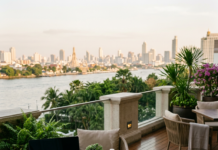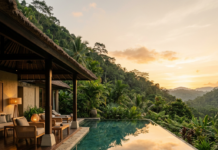
The modern business itinerary has undergone a remarkable transformation over the past few years. Corporate executives are no longer satisfied with exhausting, brief fly-in and fly-out schedules. Instead, the global travel industry has seen a massive shift towards “bleisure” travel, a concept that seamlessly blends professional obligations with personal enrichment. Industry data shows that over half of corporate travellers took multiple blended trips last year alone. With the global bleisure travel market reaching an estimated $762 billion in 2025, professionals are increasingly looking for sophisticated ways to spend their extended time abroad. This trend is particularly evident in Southeast Asia, where career-focused individuals are constantly seeking the most refined ways for dining and unwinding in Bangkok business districts after a demanding day of corporate meetings. The vibrant energy of the Thai capital provides the perfect backdrop for professionals who wish to transition effortlessly from high-stakes negotiations to world-class leisure activities.
The Rise of the Culinary Corporate Traveller
Food and dining experiences now account for an estimated 28% of all tourism expenditure worldwide, reflecting a major shift in how modern professionals allocate their corporate and personal travel budgets. For the executive traveller, booking a table at a fine dining restaurant in Bangkok is no longer just an afterthought, but a primary motivator for extending a business trip. The global culinary tourism market surged to a valuation of $1.25 trillion in 2025, with the Asia-Pacific region alone contributing roughly $400 billion to that impressive total.
This financial growth is driven heavily by a specific demographic. A detailed market potential report on food tourismreveals that up to 12% of the food tourism market consists of culinary connoisseurs. These individuals are typically well-educated, mid-to-high income professionals aged 35 to 60 who actively plan their itineraries around gourmet and unique culinary experiences. By prioritising premium meals, these professionals are fundamentally changing the economic landscape of business travel, proving that high-end gastronomy is a lucrative anchor for the modern tourism industry.
Securing Deals Through Thai Gastronomy
Thailand has witnessed a massive resurgence in its corporate travel sector, proving itself as a top-tier destination for international business. During the 2024 fiscal year, the country’s MICE (Meetings, Incentives, Conferences, and Exhibitions) industry experienced a staggering 42% year-over-year increase in overseas corporate delegates, injecting billions into the local economy. Bangkok has recently proven its capacity to host major global business milestones, successfully securing prestigious events like the 74th FIFA Congress and the largest-ever Asia-Pacific gathering of the International Congress and Convention Association. This influx of high-level executives requires an equally sophisticated infrastructure to support their off-duty hours.
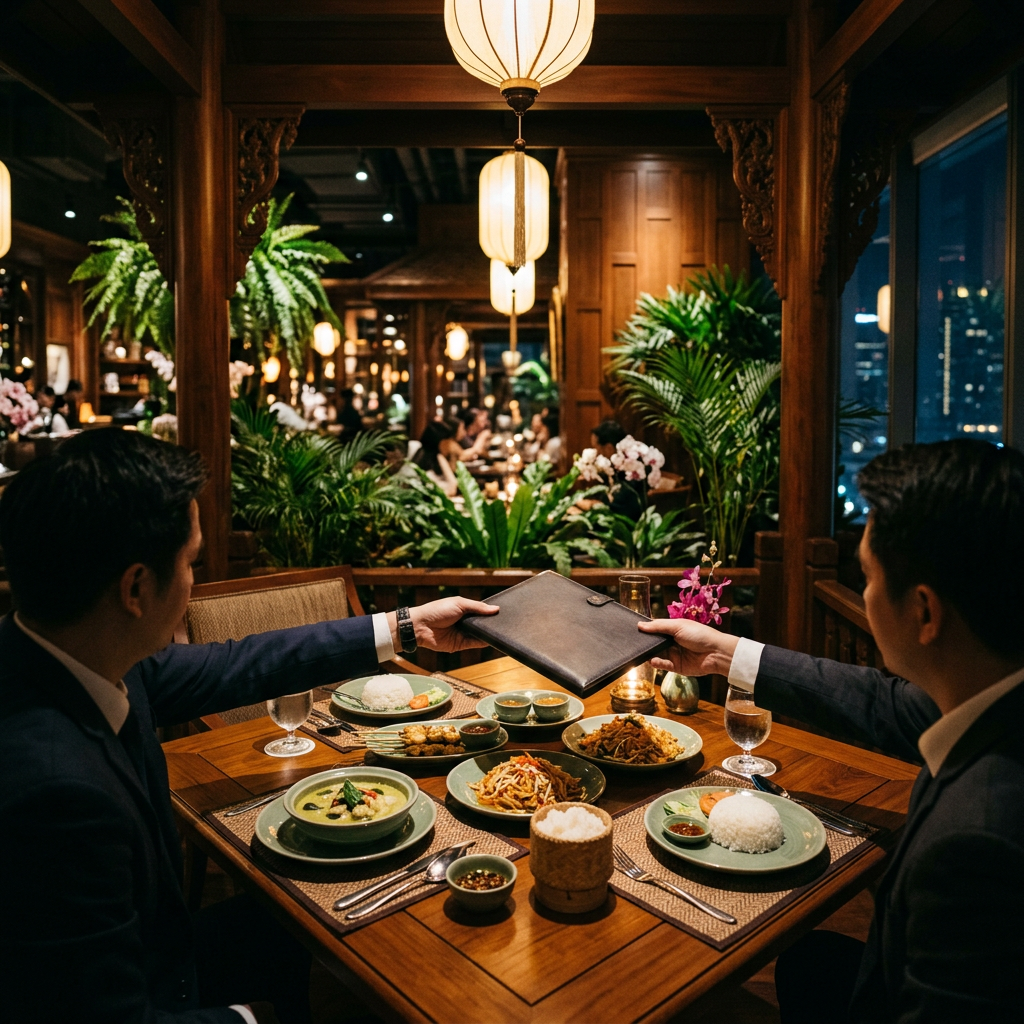
When it comes to entertaining these international delegates, the traditional boardroom often takes a back seat to the dining table. Formal meeting spaces can feel rigid, whereas a beautifully orchestrated dinner invites open communication and mutual respect. Sharing an exceptional, multi-course meal provides a relaxed yet luxurious environment that is highly conducive to closing deals and fostering long-term international partnerships. With the 2025 MICHELIN Guide highlighting the capital’s gastronomic evolution, finding a venue that impresses high-profile clients has never been easier or more essential to corporate success.
Key Priorities for the Executive Bleisure Tourist
Business professionals on extended trips are notably less price-sensitive than standard leisure tourists, frequently spending about 25% more during their stay. According to recent travel trends data, over a fifth of professionals stated they would actually decline a business trip if they were denied the option to extend the itinerary for personal leisure. When these corporate travellers choose to extend their stay in Thailand, they arrive with very specific expectations.
- Hyper-local and sustainable menus: Modern executives are highly conscious of sustainability. Michelin Guide inspectors have noted a strong trend among Bangkok establishments toward hyper-local ingredient sourcing, elevating traditional Thai techniques for international palates while supporting local agriculture.
- Integrated luxury hospitality: Executives prefer premium accommodation that houses upscale culinary venues directly on the premises. This allows them to transition seamlessly from a morning conference call to a world-class meal without navigating city traffic.
- Cultural immersion through food: Regional surveys indicate that 62% of modern travellers actively prioritise food when selecting a destination. Corporate leaders view local gastronomy as the most authentic, immediate way to experience a culture during a tightly packed business schedule.
The Future of Blended Travel in Southeast Asia
The line between work and leisure will only continue to blur as remote executives and corporate leaders prioritise their work-life balance on the road. Today’s global professionals understand that true success involves both professional achievement and personal wellbeing. As the global culinary tourism market expands, destinations that can offer both robust business infrastructure and exceptional dining will lead the way. Thailand’s strategic focus on capturing high-potential corporate markets ensures that its capital will remain a premier hub for those who want to work effectively and dine exquisitely. For the modern bleisure traveller, the ultimate luxury is no longer just a successful corporate meeting, but the unforgettable culinary experience that follows it.
Discover more from The Cameron Journal
Subscribe to get the latest posts sent to your email.