
Corporate travel in Southeast Asia is undergoing a radical transformation. As the lines between professional obligations and personal time blur, the modern business trip is no longer just about back-to-back meetings in sterile boardrooms. Executives are increasingly prioritising their mental well-being alongside their corporate objectives, recognising that sustained performance requires adequate rest. This shift is clearly reflected in recent industry data. According to Forbes, the global bleisure travel market is expected to grow by 500 percent by 2033, with 84 percent of travellers wanting to include some holiday time on their next corporate trip. For executives heading to a dynamic, high-energy hub like Bangkok, mastering this blend of work and leisure is absolutely essential for long-term career sustainability.
Securing a premium environment that caters to both intensive work and deep relaxation is crucial from the moment you begin planning your itinerary. When evaluating options in a bustling city, many executives seek out the best five star hotel in Bangkok to ensure they have immediate access to executive lounges, high-speed connectivity, and upscale dining options. Choosing a high-end property with comprehensive amenities is no longer viewed as a mere luxury by corporate travel managers. Instead, it is properly recognised as a strategic investment in restorative sleep, uninterrupted focus, and seamless convenience during a highly demanding professional schedule. A well-chosen base of operations mitigates the friction of travel, allowing leaders to operate at peak capacity.
The Rising Cost of Executive Burnout
The push towards wellness-integrated travel is driven by sobering realities regarding professional fatigue and diminished cognitive function. In 2025, cross-industry leadership burnout reached an unprecedented 56 percent, prompting global organisations to radically rethink how they manage human capital on the road. Furthermore, recent corporate event trends reveal that nearly 65 percent of conference attendees experience severe burnout by the final day of a long-haul trip. This exhaustion leads to a measurable drop in knowledge retention, poor networking outcomes, and a decline in strategic decision-making. Ignoring the physical toll of constant travel ultimately harms the bottom line, making recovery time a professional necessity.
Finding a Serene Sanctuary
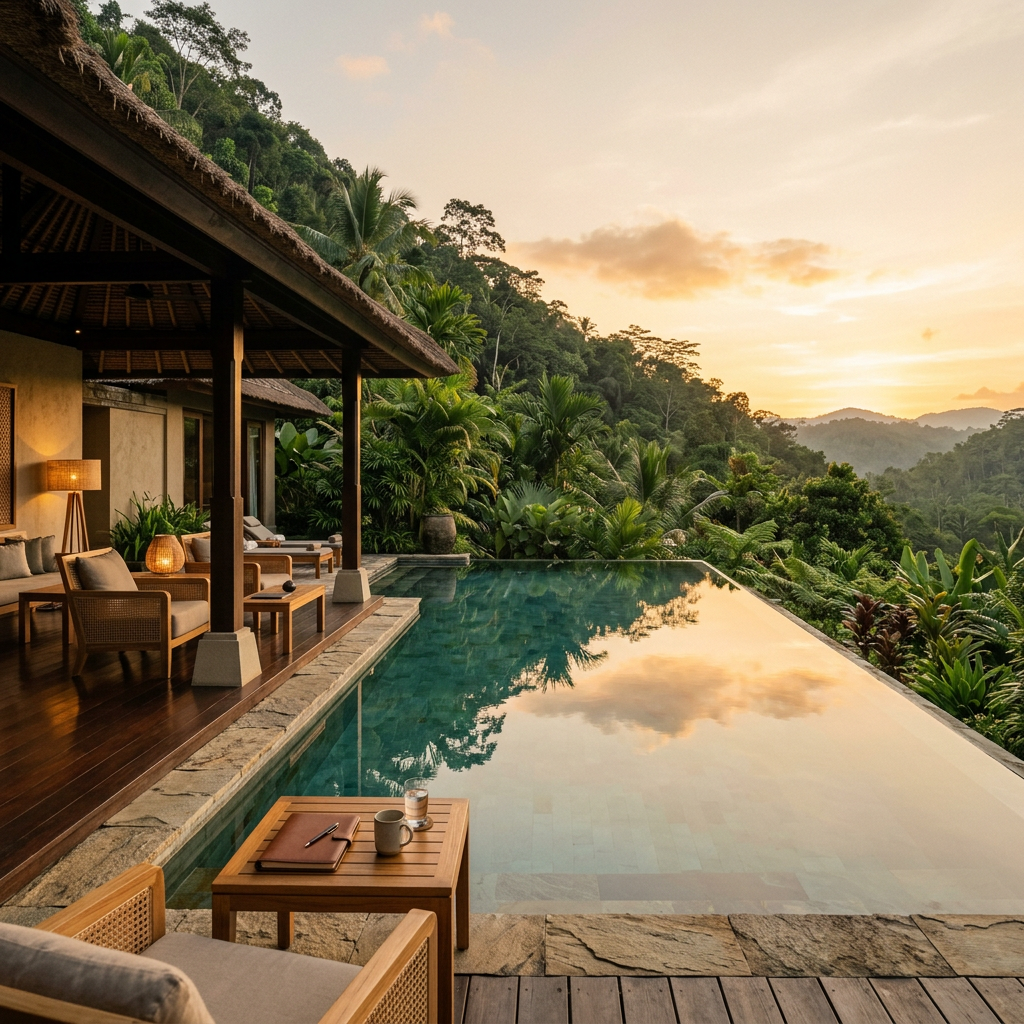
When visiting a metropolis as vibrant and intense as the Thai capital, the constant sensory environment can quickly drain even the most seasoned traveller. To combat this urban fatigue, finding a peaceful retreat is paramount. As explored in a recent guide on why quiet neighbourhoods are the secret to successful bleisure trips in Bangkok, selecting accommodations in peaceful areas serves as a vital strategy for psychological and cognitive recovery. Retreating to a restorative, quiet base after hours allows professionals to decompress away from the commercial noise, ensuring they can fully recharge their focus for the next day’s negotiations.
Strategic Accommodation and Seamless Transit
For corporate travellers, location is just as important as the quality of luxury provided. Bangkok is rapidly expanding its role as a premier corporate event destination in 2026, hosting major international summits and trade exhibitions. However, navigating the city’s notorious rush-hour traffic can induce unnecessary stress and jeopardise strict schedules. This is precisely why savvy executives position themselves near central commercial transit hubs. A property situated near the MRT Phetchaburi station, for instance, allows professionals to bypass road congestion for a direct, highly efficient commute from Suvarnabhumi Airport and easy access to the central business district.
Essential Elements of a Successful Bleisure Itinerary
With global business travel spending projected to hit 1.69 trillion dollars in 2026, corporate travel programmes are officially treating traveller wellbeing as a primary key performance indicator. To truly merge productivity with luxury, executives should structure their trips with clear intention.
Here are several proven strategies to elevate your next corporate visit to Thailand:
- Bookend with leisure: Independent travellers now routinely attach two to three personal nights to their corporate itineraries. Schedule your most demanding meetings mid-week, leaving the weekend free for urban exploration or cultural immersion.
- Leverage executive lounges: Utilise dedicated club lounges for informal networking, client coffees, or quiet deep-work sessions. These exclusive spaces provide a polished, professional backdrop outside of your bedroom environment.
- Prioritise sleep hygiene: Choose hotels that explicitly offer premium bedding, blackout curtains, and acoustic soundproofing. Quality rest is the absolute foundation of sharp executive decision-making.
- Integrate local wellness: Take full advantage of traditional Thai massage therapies and spa facilities offered by your accommodation to alleviate the physical strain and stiffness associated with long-haul flights.
The era of the purely transactional, exhausting business trip is rapidly fading. Today, successful corporate travel requires a delicate, intentional balance of rigorous professional output and dedicated personal recovery. By embracing the growing bleisure trend and selecting premium accommodations that actively support both mental acuity and physical relaxation, executives can ensure their time in Thailand is rewarding. Upgrading your travel strategy transforms a stressful obligation into an opportunity for growth, ensuring you return home as rejuvenated as you are productive.
Discover more from The Cameron Journal
Subscribe to get the latest posts sent to your email.