Welcome to my “What the Hell is Going On?” collection from my first book. This is the original essay as it appeared on The Cameron Journal and as it was published and viral on Medium.com. You can read the rest of the collection here.
A Note on sources and research
I have included in text hyperlinks where appropriate to do so. I have used a variety of media and government sources to conduct my research into this contentious issue. I traveled down rabbit holes, explored new things and in some limited cases conducted some independent research and observations on my topic. I have presented some light historical data to give context and where possible I have provided links for that in the Bibliography at the end of the article after the conclusions. As with all my work, I encourage people to read and educate themselves. I have worked not only to provide commentary and common-sense research but sufficient research data so that others can educate themselves. This is not academic work nor is it written in that spirit. This is commentary journalism and should be taken as such.
In the Beginning There was a Seed and an Engineer (Slate)
I started this article because of a challenge from a loyal reader. I was committed to not discussing this subject. This is one of “those” topics like gay marriage, abortion, and other hot topics that should never be talked about unless you already agree with the person on the subject. Most of the people against GMOs are fierce in their fanatical opposition to these crops. This made it a touchy issue for me to discuss.
If you’ve been on Facebook lately and you have just one super-human, healthy-eating friend then you’ve probably seen more than one article or meme on the dangers of genetically modified foods. It’s easy to buy into the hype. It sounds scary, the process sounds very strange, and why the hell are scientists modifying food that we’ve been eating for hundreds or thousands or years?
But the tide might be turning…
More and more articles are coming out in favor of GMO foods.
Many people would think that GMOs must be bad or why would companies like Similac, the makers of the popular baby formula or Chipotle swear them off? If they weren’t bad, it seems, companies would be using them, right? Not so, and it has to do with public discourse.
The dialogue historically has been that GMO foods are bad and that they are in everything and therefore are poisoning and killing us. This debate touches into anti-corporatist tendencies exacerbated by income inequality. The debate touches into latent American ideals of “healthy living” and “pure living” that are built into the puritanical roots of American society.
There are a few problems with the debate. As you can imagine, most people don’t really know what GMOs actually are or how they are made.
The dialogue intersects at some otherwise popular ideas especially when it comes to the feeling of anti-corporatism, money in politics, and central control of food. Indeed, those concerns are very real and steps should be taken to ensure transparency, public oversight, and a model to ensure a stable, safe, and available supply of seeds for agricultural producers. This regulation extends not just to Monsanto, the infamous boogey man of the GMO debate, but to other companies working on the same technology.
This debate also taps into some well founded but latent fears about new technology. For those old enough to remember the 50s, 60s and 70s, many technological advancements were hailed as futuristic and fantastic and the companies that made them always spoke about how much better life would be with the new products but what they never talked about was the long-term side effects of those products not just on the general public, but on the workers and the environment. As people began to get cancer and die, the future didn’t seem so great. After all, what good is the future if you don’t live long enough to see it?
This time around, people are being more cautious and rightly so. It’s wise to be cautious about the potential dangers involved in new technology. The nice thing about GMO crops is that they produce no additional toxic waste, they are not intrinsically toxic (although some of the chemicals they are made to work with can be) and the process by which they are made is a clean process. All of these concerns are important, however, in the debate about GMOs. The nasty rhetoric, false pictures, and in some cases, outright lies, have not helped move the discussion forward at all. GMOs, can save the planet, if we let them.
A Brief History of GMO Food
GMO stands for Genetically Modified Organism (you also might see GE or Genetically Engineered). This engineering allows scientists to find favorable resistances or traits in one crop or crop variety and transmit that genetic code to another variety or crop. Crop, farm animals, soil bacteria, and other organisms have been subject to this new kind of engineering. Genetic Engineering has been used to make crops more drought resistant and resistant to pests and fungi. GMOs usually reduce costs and increase crop yields. So how did this all start? It all comes down to the universal code of life on earth.
Since the advent of DNA in 1937 (Russia) and 1955 (UK) by Watson and Crick, the discovery of the double helix code for all of life has been one of the single greatest discoveries of the 20th century. Once the code was found, it could be unlocked; once unlocked it could then be changed. After 1955, things proceeded quickly as far as modifying DNA. Progress sped up with the advent of rDNA or recumbant DNA that humans could make themselves. By 1980, a modified molecule made to clean up oil spills, earned the first patent for a living organism and 14 years later the Flavr Savr tomato, a tomato modified to ripen later and last longer, reached American groceries stores. By 1997, over 100 million acres of farm land was under production using genetically modified crops like corn, soybeans, cotton, rice and alfalfa.
Many GMO crops are made to resist certain pests, weeds or fungi. Often, these crops are made to work with certain pesticides. The most commonly cited case for this idea is Monsanto GMO corn and soybeans both of which are made to work with a commercial preparation of Roundup, their best selling herbicide product and billed as the world’s safest herbicide. I’ll come back to that.
There are a few facts to consider about GMOs before we delve into their problems, the debate and the Monsanto problem.
Fact 1: We’ve modifying plants through selective breeding for thousands of years.
Mankind has been using selective breeding for thousands of years. GMO technology allows us to do the same thing, more accurately. Most people don’t understand the process because it sounds esoteric and anti-GMO groups have used this ignorance as a PR weapon.
The simple fact is that much of the media around GMO foods really has to do with propaganda, much of it false. I’ve also found that GMO arguments tend to fall along a certain line and also tend to highlight the pesticides many GMO crops have been modified to work with in the field.
The sad part is that the one thing that could save crops, food supplies and human lives is being banned, maligned, and lied about causing some scientists to consider if they would start advocating for GMO foods in the hopes that reason can save them. GMO technology is far more accurate and far safer than old-fashioned selective breeding.
Even the imagery that is used can be misleading. Many GMO stories usually use an image of a scientist in a lab with a needle looking device holding a wholesome piece of food. This kind of imagery is misleading. When scientists go about looking for genes to turn on or off or to blend together, there are no needles in existing fruit and nothing injected. The genetics of fruit are like a code that has been unlocked and now can be modified just like the code on this page you are reading or the code that powers the device you are reading this on.
GMO scientists aren’t injecting our food with chemicals, they are just ever so slightly re-programming it.
Fact #2: There is no good evidence that GMOs are unsafe.
There are hundreds of studies including a 25 year European Union, European Commission study to back up that conclusion. The reason is simple: genetic modifications start with genetic material that is often already present in soil and crops. That means, in small amounts, we’ve already been eating these things for awhile.
Here are just a few of the organizations that deem GMOs safe:
- The World Health Organization
- American Medical Association
- American Association for the Advancement of Science
- The National Academy of Sciences
Consider this, these are places of liberal, climate change advocating, kale eating, passionate people. Would there be any reason for them to green light something like this? They would get more press if they were against it. We can look at funding and donations and this sort of thing but especially when it comes to government run agencies, there is no reason for them come out, voluntarily, and support GMOs if those foods were really a threat.
Fact #3 Not all GMOs are created equal.
There are some GMOs that are created to resist a pest natively (Bt corn) or GMOs that are meant to work with pesticides (Monsanto Soy and Corn). In my opinion we need to focus on the kind that reduce pesticides in a big way and helps us create truly sustainable agriculture.
Fact #4 There have never been any reported and verified cases of GMOs killing anyone or causing any harm.
In simple terms, the evidence just does not exist. Arguments for pesticides are a different story. The wanton useof chemicals on crops has already caused problems in Argentina and Brazil and will surely cause more. Here is the best part: GMOs could make pesticides a thing of the past.
Why We Need GMOs
The Papaya
In Hawaii, the Papaya is a tremendous cash crop and is a great example of how genetic engineering can save the planet and food. I found this story in a Slate.com article and it was a fascinating case that bore out further research.
In the early 1990s, the Hawaiian Papaya crop was in trouble thanks to a ringspot virus. They had tried selective breeding, crop rotation and quarantine. Nothing worked. Dennis Gonsalves from Cornell had an idea, based on Monsanto technology, he could transport a protein from a harmless part of the virus to make the Papaya immune to the virus. Monsanto wasn’t interested in the project because while Papaya is a big seller in Asia and in other developing economies, it’s no corn or soybeans. So they licensed the technology to a group of farmers and restricted it to Hawaii. It was a smashing success. In 1997, the US government gave the green light after many field trials and found that the environment and people were not harmed because the protein in question was already all over nature in stems, fruits and leaves anyway. In other words, he moved a protein (the building blocks of organic matter) that we eat every single day. He just moved it into the papaya so that when the virus tried to infect, it didn’t get anywhere. However, despite a blessing from the EPA, and wide use of the seeds with the new genetics, critics said that it could create more dangerous pathogens and in 2000, vandals destroyed the test crop at the University of Hawaii calling the trees “genetic pollution.” Despite the science, Greenpeace and other organizations flagged and publicized a Dutch study that claimed the protein matched a sequence in a allergenic protein created by worms. The resemblance was only partial, according to the study, and despite the fact that no one had reported any problems from eating GE papaya, groups alongside Greenpeace cried “genetic pollution” and that scientists were “playing with nature.” This lead to several more studies by the USDA and Japanese agencies and they found out that not only was the protein as harmless as claimed but that it was less harmful than the Dutch study had originally claimed. By 2009, people had been eating the Papaya throughout the Pacific basin and not a problem had been reported. The only problems with the papaya were Greenpeace activists burning down and uprooting groves of GE papaya trees. The papaya is a great example of GMOs hard at work and now, more than 20 years out, there have never been any reported problems with GE papaya. Not only were no humans or animals harmed, it didn’t cross pollinate to other fields and reduced the use of pesticides. This left the anti-GMO protesters with two choices: accept science and reality or cling to a false belief in a waste land created by genetically modified foods. Keep in mind, this was not created by a big, nasty-sounding corporation. The farmers themselves had funded the creation of the new seeds and the research. This all came to the forefront when Hawaii considered a ban on GMO crops. Fortunately, for papaya farmers, the Hawaii County Council rejected the notion and the GE papaya earned final full approval from the Japanese government. The case is still in court as of this writing, although there has been news that Hawaii has banned GMO crops with an exemption for Papaya and corn. Unfortunately for the farmers, the new labeling law just says that it’s GMO. It doesn’t give you the history and context for why the fruit was changed, how it was modified, or that the money from the sale goes to a organization of Hawaiian farmers, not a big nasty corporation. Public perception, which creates reality, strikes again.
Another case of this kind of genetic engineering is taking place again, as we speak and it’s privately funded, not by Monsanto, but by a large orange juice producer.
The Orange (From the NY Times)
The Orange has been cultivated in Florida since the Spanish arrived in the 16th century. However, a new blight threatens the entirety of orange production not just in Florida, but the world over. Greening disease or citrus greening is a bacteria that leaves oranges under-developed and with a distasteful color. When the blight arrived to Florida in 2005, Ricke Kress decided to get busy with a plan. They looked for a resistant tree, they burned trees that had gone bad, and they sprayed an ever wider variety of chemicals to kill the flying insect that spread the bacteria that was affecting the fruit. They never found a tree with a resistance and the blight was spreading fast. Mr. Kress turned to genetic engineering to save the orange crop. Farmers kept burning and spraying as the years carried on and his company, Southern Gardens, and other scientists, kept investigating virus, bacteria, and other solutions to stop the psyillid from spreading the deadly bacteria. As of this writing, they are working to begin testing the juice of trees that were created with a gene from spinach that has been introduced for resistance to the blight. Not only are they testing with new trees but the genes have been grafted on to mature trees as well. While trees in the field without the gene have the greening disease, the new engineered trees are all healthy. The orange juice, after testing and regulatory approval should be ready for sale in 2020.
The Potato
What is going on with oranges and papaya is now going on with potatoes in upstate New York with fresh research from Cornell researcher Walter De Jong. Potato blight is a massive problem. It’s why Boston is so irish and JFK’s relatives came to America. But the potato blight and the beetles that attack them are soon to have much less food. He is working to develop new breeds of potatoes that taste good and are resistant to fungus. He grew up as an old fashioned selective breeder like his father. He is ready to offer GMO potatoes as a fresh new crop that uses fewer pesticides.
Simply put, we need GMOs to reduce the amount of pesticides we put on crops. These chemicals destroy the soil biomes, filter into the water supply and build up into the whole food system including we food-consuming humans.
The choice is quite simple, would you rather eat food that has been ever-so-slightly modified to resist certain pests or food that has been drowned in pesticides, insecticides, and herbicides?
Nutrition and Climate Change
When I tell my friends that GMOs are going to save us all, they are skeptical. As I worked on this article, I would tell people, “I’m working on article on GMOs” and they would reply, “Yeah, they’re bad for us right?” and I would smile and reply, “Not at all, they’re going to save us all.” GMOs can reduce the use of harmful pesticides, herbicides and fungicides, one of which is killing bees and other pollinators (neonicotinoids).
Regardless, of who you blame, our climate is changing and the planet is going to be 3 degrees centigrade warmer by the end of the 21st century. However, there are some people working on that and they are using genetic modification to do it. The International Center for Tropical Agriculture is apart of CGIAR (Consultative Group for International Agricultural Research) consortium, which is a network of international genebanks around the world that house, work to preserve, and in some cases, modify crops for the future. Many cultures have had to move or have been lost due a change in climate and their food source. We could be next unless genetic engineering allows us to modify the staples of our food supply to be able to survive a changing climate.
What’s even better is that we can use these plants to help us actually eat better food and gain more nutrients. For people in developed countries with diverse diets, the nutrient deficiency isn’t as pronounced or as worrisome. GMOs have promise in fighting obesity and raising nutritional values in processed foods. However, for people in developing countries, quality nutrition is hard to come by and GMOs can help there as well and the best example is Golden Rice.
The Promise of Golden Rice
Scientists in Switzerland developed a new variety of rice called Golden Rice. The rice was modified to create beta-carotene which, when broken down by the body, produces vitamin A. The new rice would allow subsistence farmers in Asia, whose families rely on rice as their primary source of nutrition, to continue to eat rice and also gain vitamin A which prevents childhood blindness.
Greenpeace activists weren’t pleased with the idea of poor, malnourished children eating a GE form of rice. They decided it would be better to require that Vitamin A be mixed into other foods like flour, sugar, and margarine. They also promoted the idea of having people grow small gardens with vegetables that were high in Vitamin A. Because the evidence about the intrinsic toxicity of golden rice was lacking, Greenpeace then claimed that it didn’t produce “enough beta carotene.” Grasping at straws? I think so. The testing of golden rice in the field continues as of this writing.
Anti- GMO Hype
Anti-GMO hype has been highly effective. In 2014, a Pew Research Center study found that 57% of Americans said it was unsafe to eat genetically modified foods. The state of Vermont was the first in the nation to require labeling of foods that are genetically modified or contains ingredients of the same.
The social convention is this: if you are a progressive person who desires to live a healthy lifestyle you most likely are friends with or acquainted with people who think the same way. That means that your social media feeds and conversation are filled with people posting the same things and some of the images are quite disturbing. Match that with the lack of understanding around what GMOs are and how they are made and it is easy to create a conspiracy. People also think in images and concepts, not facts. A scary picture expressing a visual concept is far more powerful to many people than any facts that I, or others, might bring out in regards to GMOs.
In short, scientists and others have lost significant
PR ground on GMO foods.
Another Part of the Anti-GMO hype has primarily to do with a latent desire in American culture to have the best, purest, most beneficial food on the planet. Let’s compare this debate to the debate over bread in the 1920s. Women mostly baked bread at home before WWII. In fact, the 19th century articles encouraged people to bake bread at home for its increased nutritional value, quality control, and lack of disease. Sound familiar?
However, by the early 20th century the tune had changed. In the 1920s, articles in popular women’s magazines like Harper’s Bazaar started to be published about how, “your little oven just can’t keep up” and how that bread baked in factories with the better ingredients, more accurate temperatures during baking and standardized processes made bread baked at home simply inferior. By WWII, buying bread in stores was much more common than baking it at home.
The same conversation is now happening with GMOs.
The controversy of the safety and purity of food is not new either. Muckrakers like Upton Sinclair made their names as writers and reporters in the early 20th century for exposing the terrible working conditions in the meat-packing industry which not only exposed the working conditions but how meat was being packed and shipped. As motion pictures became popular, there were movies lambasting the meat packing industry for selling tainted meat. At the time, being vegetarian had become popular due to the lack of transparency in the meat-packing industry and the popular idea of tainted meat. Whether the meat was actually tainted or not did not matter and the actual reality of the situation was immaterial to the popular notions in the media at the time.
The desire to keep food “pure and healthy” has not gone away, this year, Scotland decided to ban GMO foods in Scotland over consumer backlash and trying to keep it’s “clean and green” brand globally with the purity of its food. In short, the popular logic is this:
GMOs = science = not natural = not pure = not good.
This logic is severely mis-placed.
One of the most interesting scientific cases against GMOs that is easily meme-able and shareable were the grotesque pictures of tumor ridden rats from a French study by Gilles-Éric Séralini. Once the study was published in 2009, the anti-GMO groups seized upon this fresh scientific data tying GMO corn to tumors in rats. By the time other scientists tore into the study, it had simply fallen apart due to it’s lack of size, it’s poor research conditions and the overall way the research was conducted to create specific claims that had been pre-supposed in the beginning. Ultimately, the only difference between the control (non-GMO corn eating rats) and the experimental group (GMO-corn eating rats) was simply genetics and biology. What’s even worse is that Seralini has tried to publish other articles against GMOs and his institute was known to be anti-GMO and performing studies designed to show GMOs were bad. That is not good science, that’s scientific agenda
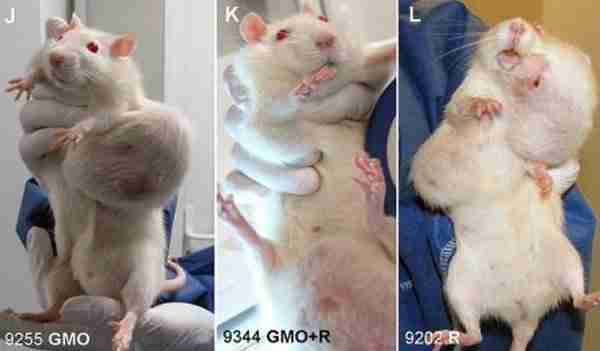
That hard part is that the pictures of the rats are what made it to social media and the scientific critique of his “usual antics” did not make for a very good meme. His one bad study has mis-shaped the discussion on GMO foods.
Some people might think that if we can’t trust this scientist then who can we trust with scientific data about what is really going on with GMOs? Activists have used this argument to destroy the credibility of the scientific community in regards to the safety of this food. The first thing we can do is look at quality studies published in more mainstream, widely read and critiqued journals (unlike the Seralini study) and we can look at the 30 years we’ve been eating GMOs.
In 30 years of eating GMOs, there have been no adverse side effects reported, period.
Now there are people on the anti-GMO side that say that they have been able to cure asthma, allergies, chronic conditions, and gut problems by eliminating GMOs from their diet. Unless they fastidious research the sourcing of everything they consume, they are still consuming some GMOs and no amount of genetic engineering is going to stop the side effects from eating a better diet, exercising, and decent nutrition through supplementation.
In full disclosure, I’ve made lifestyle changes myself in the name of health. For example, I tend to stay away from cow dairy due to my chronic sinus and asthma problems. I use homeopathy and supplementation for many aspects of my health.
I don’t discourage doing what is best for your body and your own health.
But I’m also here to report that eliminating GMOs will not help as much as working for your overall wellness through a balanced diet, good nutrients via food and/or supplementation, and proper medications as needed by medical professionals, both allopathic and homeopathic.
If you have visited a Whole Foods or a local health store, you will meet people who are adamant that once they eliminated GMOs from their diet that they immediately felt better or had chronic conditions improve.
There are multiple things at work. Those people who make that claim usually stop eating highly processed food, become more conscious of their food choices and what they are putting in their body and when. I recently eliminated soda from my diet (again) and I’ve certainly felt better, if a bit more tired. Many people who make these claims, like the “Food Babe” (more on her in a moment) also usually begin some kind of supplementation that gives the body the nutrients that it needs.
The people against GMOs and who are for healthy living are quite popular. It’s far easier to blame things like GMO foods for people’s health problems rather than their actual diet, medical conditions or lack of activity. One of the people who ride this popular wave is the now-infamous Food Babe.
Food Babe
The Food Babe scandal is one of the recent examples of someone who has come out vehemently against GMOs only to find out that they are not the threat that they are supposed to be.
Vani Hari was a former consultant and started a blog called the “Food Babe” and she became quite famous for “exposing” the dangerous chemicals in food as a consumer rights activist. However, over this past summer, the New York Times exposed one of her expositions as being entirely wrong based on the actual chemical evidence. She used her 54 million page view strong blog to force Kraft to remove a dye from their macaroni and cheese products and has taken on topics as interesting as the amount of nitrogen in the air in airplanes (the atmosphere is 78% nitrogen) and has warned people against being sprayed personally for pesticides before boarding international flights. Her work has been criticized by outlets as wide as gawker and the New York times to even this Vox story that served as my background to this. This kind of cursory Google searching, low information, propaganda has dominated the GMO discussion for the past 5–8 years. It has turned public opinion against GMO foods and what is interesting is that I can’t quite understand why; other than it is far easier to vilify foods grown with GMO crops than it is to actually convince people to change their lifestyles. “This food is killing you!! Makes for far better click-bait than, “Why you should start exercising!” or “Sensible diets to try!”
The Non-GMO Project and Organic Foods
The Non-GMO Project has been a front runner organization for the anti-GMO movement. They have been behind many of the food labeling initiatives. The project was founded by Michael Funk, a natural food distributor, who pioneered putting products through the non-GMO verification process so that consumers at natural food stores could know that they weren’t consuming GMO products of any kind.
In the early days of the project, in 2007, he made some dubious claims that “GMO foods didn’t belong in the organic food supply” and that “There is no scientific data that GMOs are safe” and that “there are now studies coming out that prove the dangers of GMO foods.” The last claim is only partially true. Those studies have issue with the pesticides used on GMO crops, not the actual genetic modification itself.
Now, Many of the anti-GMO protesters would have you think that GMOs must be bad because so many countries have banned them including the much ballyhooed EU. However, according to this press release in regards to a report on a study that the EU, European Commission performed for 25 years, they found that there were no reasons to think that GMOs were unsafe, yet the EU banned them anyway. due mostly to public pressure.
Organic Food is Not Better
Many people buy organic food to get a better and purer quality product. Organic farmers and food distributors are charging a premium for that demand. However, consumers chief concern, pesticides, is not a problem solved by organic produce. Organic producers use pesticides but they use different pesticides. Some of them can be quite concerning.
One of the examples of an “organic chemical” is Bt which is short for Bacillus thuringiensis. It was discovered in 1901 by a Japanese scientist who was investigating the death of silkworms, which at the time was a big problem and costing silkworm farmers and silk makers in Japan a lot of money. This bacteria was isolated and used a natural pesticide. When insects ate it, it killed them from the inside out and since it naturally occurred in nature, spraying it on crops was not harmful to the soil or anything around the crops because it was already present in the ecology. No one had a problem with Bt until the 1980s when scientists in Belgium put a gene from said bacteria into tobacco plants. This way, the plants could produce the protein on their own without the need for spraying. When GMO critics heard about this they were horrified. Never mind that Bt had been used for most of the 20th century as a perfectly safe pesticide (and is still used by organic farmers today) these plants were genetically modified and that was “bad.” The EPA soon approved Bt modified potatoes, corn, and cotton and since the Bt in the modified crops was just like the material in the bacterium already present in nature, there were no dangers about it killing non-target organisms or harming humans. This means that we’ve been eating it the whole time anyway, just not in the location that the scientists moved it to in the genome. According to Greenpeace’s own consultants and lawyers, they found that the only harm from Bt came from various applications of Bt sprays (you’re supposed to spray the live bacteria every 5–7 days) and that the build up in the soil could be harmful over time. All of the evidence against Bt really was about Bt sprays, not the genetically modified crops which merely express the protein in a greater way. With Bt crops, there was no need to spray, which means the food consuming public would be eating less pesticide residues of a pesticide that naturally occurs as bacteria in nature (remember the silkworm situation?).
What’s even worse is that Bt spray has live bacteria which can reproduce on food. In fact, the scary stories about Bt crops have to do with the substances in the sprays used on organic food, not the actual Bt GE crops. It isn’t a far venture to say that having Bt in crop DNA is actually safer than spraying a live bacteria on organic crops.
One of the most common “organic” pesticides is rotenone or rotenone-pyrethrin. Although plant derived, the long term effects of this on soil and on humans have not been studied due to the fact that governmental agencies do not study the chemicals in the same way.
This is also a very common pesticide dust sold to consumers and has various commercial applications. It kills several kinds of beetle and worms that damage cash crops. It’s most sinister use is its non-selective killing of fish by suffocating them. It is commonly used by organic farmers but is being phased out in some areas due to its contamination of rivers and streams and its aforementioned killing of fish.
The interesting thing is that the WHO rates this chemical as fairly toxic both of humans and animals and it has been on “organic” crops for decades. However, organic farmers don’t want to reveal that they are using chemicals just like conventional farmers and pesticide companies are interested only in selling pesticides whether they be “organic” or not.
But this isn’t the only myth about Organic food, ask the average person on the street and you’ll find out that most people, even saavy consumers, think that organic food automatically means no pesticides or chemicals, and that is simply not true. Although different organic organizations have tighter rules, to get a USDA organic certification you can use chemicals such as:
- Copper (builds up in soil to toxic amounts over time)
- Sulphur (builds up in soil to toxic amounts over time)
- Potassium salts of fatty acids (form of soap)
- Neem extract/oil (an indian lilac tree)
- Adzirdaractin (from Neem) (sold as Neemix)
- Pyrethrin
- Bacillus thuringiensis
- Spinosad (sold as Entrust)
And this doesn’t include the chlorine chemicals and solvents for irrigation that the USDA allows on crops called organic.
You can read a full list of things the USDA allows here.
Organic farming has branded itself as the ecologically wise, tastier and healthier option when the simple fact of the matter is, organic farming is no better for the environment or humans. In an article by Christie Wilcox, in the Scientific American, she breaks through many of the myths surrounding organic produce. As far as health goes, organic produce is subject to a greater presence of E.Coli and Salmonella due to the heavy use of raw manure on crops. In terms of nutrition, a study tracked food studies from 1958 to 2009 and found no differences in the presence of nutritional value between conventionally farmed foods and organic farmed foods.
According to Jeff Gillman, a professor of nursery management at the University of Minnesota, in an NPR interview, he said that the best way to find out how many pesticides had been used on your food would be to visit the local farmers market and ask the grower yourself and learn about where your food comes from and how they grow it because the farming methods used by farmers large and small vary wildly.
Smug organic food buyers take note! You’re food (and you thereby) may not be as morally superior as you thought. And while that sinks in, I think it’s time to ask some tough questions to organic farmers and the non-GMO lobby. Since evidence in their favor is lacking and they have disingenuous images to turn public support in their favor, where is the real problem? Where is the real evidence supported by a large consensus of scientists? What is behind the meme?
I support organic farmers and often enjoy quality organic produce from our wonderful local chain of grocery stores here in Washington. Organic farming could benefit from GMOs and the fact that organic growers resist them, says, I think a lot, about what the real priority is around GMOs. GMOs would cause organic farmers to use far less pesticide than they do now. They could deliver quality, chemical-free food to tables and to ranchers both outside and within a greenhouse. They could even achieve conventional farming yields with the new seeds. But they won’t even think about a GMO, why is that?
GMOs and Pesticides: The Case
One of the observations I’ve made while researching this article is that many arguments against GMOs begin and end with herbicides, fungicides, and pesticides. There’s a good case for more study and oversight in this area.
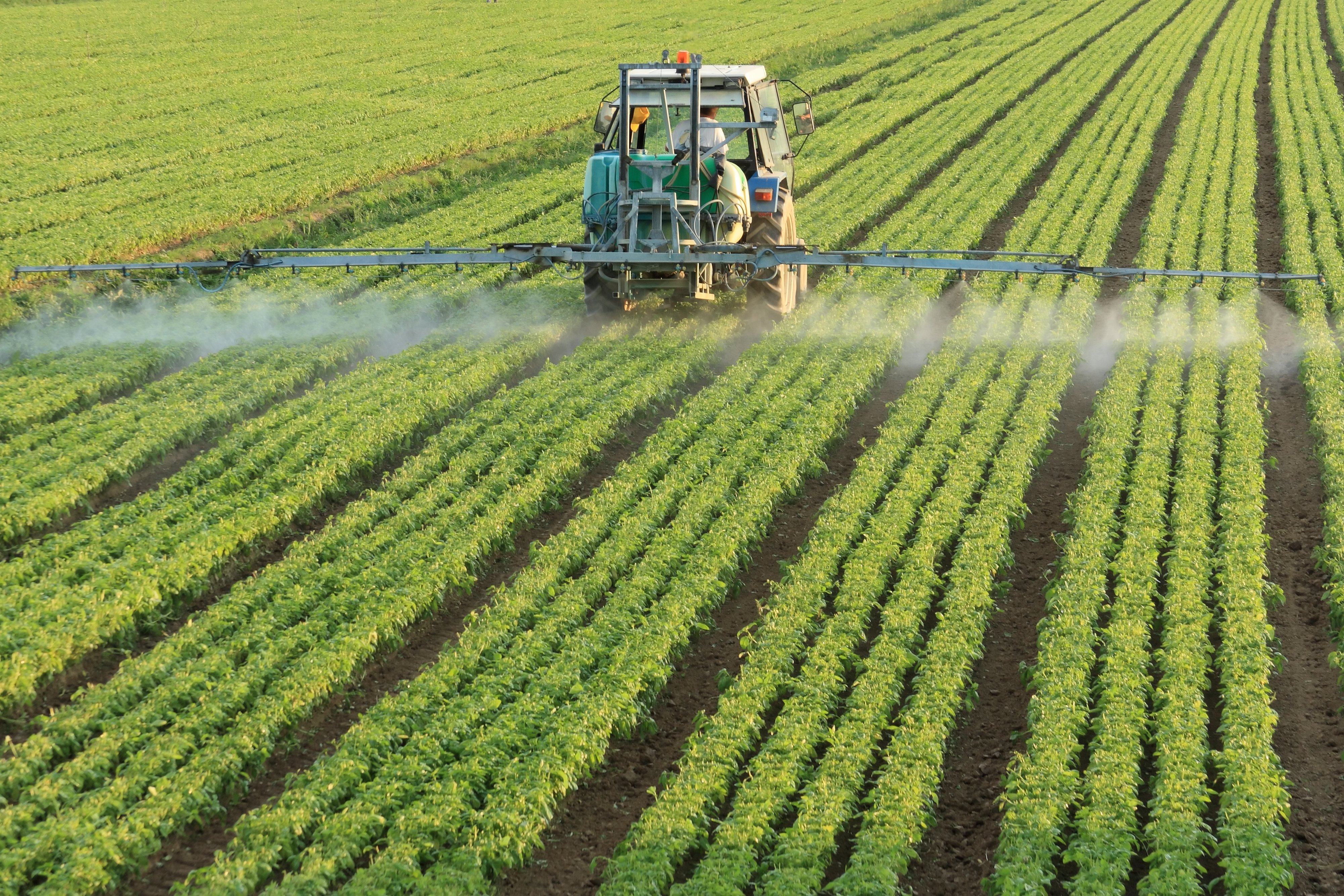
We’ve faced problems with pesticides before.
DDT, created in 1939 was very popular with Farmers and the military for use in eliminating all kinds of things. However, studies in the 1970s, showed that it was harming bird and reptile eggs by making their shells thinner and making them more susceptible to predators and not reaching full development. This ended the use and manufacture of DDT in most of the world and this is just one example of a pesticide gone bad. The next example is far more damaging.
The use of chemical herbicides beginning in the 1950s by the US Military is most likely one of the worst ecological disasters of the past 60 years. They used so much of the herbicide chemicals, including DDT, that areas around military bases are toxic, including the Panama Canal Zone. Reports of birth defects and long-term health problems of the soldiers tasked with this toxic duty are common.
Pesticides, in terms of use in agriculture, are a fairly modern phenomena. The first synthetic pesticide: DDT wasn’t discovered until 1939. The aforementioned Bt, began use in Europe in 1920. Until then, the best defense against birds in a field was a scarecrow. Children would make noises to scare away other pests and much of the crop was simply lost to pests and other problems like blight and fungus. Farmers would spread cow and horse manure on their fields, not only as a form of fertilizer but as a way to reduce pests. Often, if a crop had simply gone bad with disease, it would be burnt to save other farmers around from having the same blight. This was common with boll weevil infestations in cotton fields. As you can imagine, the advent of chemicals not only allowed monoculture, but great yield, profit and labor reduction.
In the years before that, farmers lost significant amounts of their crops to wildlife and pests of a wide variety. Crop rotation and companion planting were the only real defenses against crop loss. Pesticides, herbicides and fungicides became an important part of the growing food supply and increased wellness leading to longer lives at the time. When more food was able to be eaten and not lost to pests, fungus, and weeds, more people were able to eat with greater quality and nutrition at a lower price.
The less of those things that were in the food supply, the fewer people were sick merely from eating bad food and thus they lived longer. However, there was little research done on the chemicals that were used to create this new abundance. The chemicals weren’t used excessively and were deemed safe because they were used over a wide area. However, as farming became mechanized and monoculture farming became more common following WWII, the use of pesticides, herbicides, and fungicides skyrocketed alongside the advent of monoculture farming with the ability to kill pests and weeds farmers could plant acres of the same thing and make more money.
Monoculture farming only works with pesticides making monoculture farming unsustainable over the long term. When I talk about monoculture farming I use the following example:
Let’s say that we’re pests, some insect that feasts on corn let’s say. If there is a plentiful supply of our food (say 100 hectares of it) then we, in our insect form, can eat a lot, destroy crops, and reproduce which then becomes a massive problem for Farmer Brown who is trying to grow his crop and sell it. Farmer Brown then has to apply more and more pesticide to kill we pests before we get out of control. Now, if Farmer Brown used complementary planting and crop variety, not only would we pests be far less prolific but he would use less chemicals. Farmer Brown could also plant crops that are naturally resistant to we the pests, then his farm would be less chemical-ridden and have more quality produce.
The pesticide debate gets particularly interesting around Glyphosate. New studies are coming out talking about the perils of using herbicides in farming especially herbicides that contain the chemical: glyphosate. Glyphosate is one of the active ingredients of Roundup and classified as a carcinogenic substance by the International Agency for Research on Cancer. Although there was controversy about the substance, according to Dr. Cami Ryan head of social sciences at Monsanto, it is less toxic than caffeine or chocolate.
Although I agree that the dose makes the poison, (water can kill you if you drink excessive amounts) often the dangers of chemicals take decades to affect people. From studies in 1990s, we know that fruit retains chemicals and that these chemicals in the amounts on fruit take years to build up and can cause everything from infertility and bowel disease to cancer. A recent MIT study published in Entrophy in 2013 questioned the safety of this chemical and the GMO crops that are made to work with it. While the study didn’t address the actual crops, which are simply engineered to be resistant themselves to Roundup, it did discuss the danger of long-term consumption of glyphosate residues on food from Roundup.
The evidence against pesticides is pretty damning. Another study in the Journal of Organic Systems in 2014 studied databases that track disease and found a correlation between the rise of herbicides, pesticides, and fungicides and the increase of 26 diseases ranging from Autism to Parkinson’s.
Now, a few articles in my research point out a particular problem. GMOs have marginally increased the use of pesticides, herbicides, and insecticides, especially Roundup Ready varieties by Monsanto that can be sprayed with the world’s most popular weed killer with impunity. This is true, pesticide application increased 7% after the introduction of Roundup Ready varieties. However, other GE crops have reduced the amount of pesticides by 37% because herbicides and insecticides (both pests) are often lumped into the same category.
Certainly, food with less chemicals involved is far better and in this way some GMOs are not as good as others. I would rather have us create resistant varieties than varieties that simply aid the use of chemicals. But one fact remains, the big culprit here is not GMO crops and their new genes they possess. It is the chemicals that we use in and on food and that sometimes work with GMO crops. The real promise of GMOs is fewer pesticides in the field like the orange and the papaya. That is a future of agriculture worth creating and GMOs make that possible.
The Monsanto “Problem” (Vanity Fair)
“Monsanto is the devil, you’ll understand.”
I was recently given that speech by a well-meaning friend of mine who shops a food co-op and erroneously thinks that somehow by living in Washington, where organic food is king, that I’ll somehow, as if by osmosis, some day, understand that I’ve been lied to about GMO food and that I’ll “just understand” that Monsanto is out to get us all.
Monsanto has its issues; I won’t say it doesn’t. The way it hires private investigators to investigate farmers by spying on them using a variety of means and the use of scare tactics for the “crime” of saving seeds in spite of their seed application agreements (those agreements legally bind them to return all unused seeds and buy new seed each year from Monsanto) is not the best way to enforce their intellectual property. Suing your customer is not what I would call quality business practices; even though most farmers settle for some amount of money out of court to avoid trial. Their massive campaign contributions and lobbying efforts in Washington speak to the problem with money in politics. That being said, if we wanted to call out every company that makes hundreds of thousands of dollars in political contributions every year, we would hardly be able to function in society. Corporate money in politics has become business as usual and Monsanto would most likely be spending those dollars if GMO products didn’t exist.
I’m not here to say that Monsanto is the best company on the planet. Far from it, Monsanto was a chemical company before it was into the genetic engineering business. Founded in 1901 by John Frances Queeny, Monsanto’s first product was an artificial sweetener, saccharine, mostly manufactured in Germany, that is until Queeny under cut the market. The Germans tried to put him out of business by lowering the price but Queeny won out due to his business relationship with a new company from Georgia: Coca-Cola.
By WWI, Monsanto was manufacturing a variety of products and when European chemicals were cut off due to the war, Monsanto had to in-house the entire process and that led to Monsanto taking the market by storm. By WWII, Monsanto was a global chemical company under the leadership of John’s son, Edgar. Monsanto has manufactured things like PCBs, a known carcinogen and the components of Agent Orange. Their history in terms of taking care of the environment is fairly checkered. Cities near their old manufacturing facilities are essentially super-fund sites. Monsanto poisoned the entire town of Anniston, Alabama, including all the local rivers and streams. In Wales, Monsanto had been pouring manufacturing waste down an old mine. The UK is still trying to understand how to clean-up their mess. Lawsuits beginning in 1971 from workers abound as the ill-health effects of their products became obvious. One of their lubricants, Pydraul 150, was refused by the U.S. Navy due to the fact it killed every rabbit they tested it on and they could not find a safe way to use the chemical.
Knowing that information, it can be hard to accept that this company, a company that has killed, maimed, and injured hundreds of people with its chemicals is going to save the world. It’s a hard argument to make. However, for the sake of our future and our food supply; I will try.
Chemicals aren’t seeds and chemical manufacturing isn’t genetic engineering. In fact, Monsanto doesn’t even produce chemicals beyond a handful of herbicides like Roundup anymore. That business was packaged up as Pharmacia and sold to Pfizer. When The Climate Corporation, a very scientific, if liberal organization, whose purpose is dedicated to researching weather, climate change, and long term food supply as it pertains to weather and many other matters, decided to partner with Monsanto, many people were concerned. And rightly so, partnership with an “evil” company could yield disastrous results. David Friedberg wrote an impassioned note reassuring supporters and the public about what that partnership would mean in the New Yorker.
In short, the Monsanto problem is simply one of PR. When it comes to trusting corporations, it can be hard to trust the ones that don’t make the best corporate citizens. There’s no evidence that Monsanto, the new agribusiness, is such a bad corporate citizen. If Monsanto needed to do anything right, it would be in the public relations sector of their business. Most of the things they touch turn to gold, but when it comes to GMOs, an innovation that could literally save the planet as climate changes, Monsanto has done a poor job of educating the general public about what GMOs really are and what Monsanto is doing with them or how they work. Monsanto isn’t even the only company in the industry. There is no reason to kill all GMOs just because one company has a sullied reputation. They hold great promise as I have outlined. However, as I do with all my work, I invite you to investigate for yourself.
Conclusions
1. We’ve been using selective breeding to create new crops or save crops, this is just a more modern version of that. GMOs can add in new expressions of the plant or new things that make it more resistant to a pest or work with a common pesticide.
2. We need to regulate all pesticides including organic pesticides and test organic pesticides in labs. All in all, and I think this is the biggest take away: Pesticides are killing us all, if slowly, even so-called organic pesticides that have been in use for decades. The testing of organic pesticides is poor and we need to focus on reducing the chemicals within the food supply. GMOs that make the crop naturally resistant are the best way to do that.
3. GMO foods have often been created to work with pesticides. It is better if they have to use fewer pesticides or no pesticides at all so that those products can be phased out over time.
4. GMO foods can save a starving and warming planet by needing less water or tolerating hotter temps.
5. We need to address monoculture-farming practices, not only because it will require less pesticides and not breed super pests or fungi but will also help bees, butterflies, and other pollinators.
This can be addressed in a variety of ways including sustainable agriculture practices and improving the biodiversity of farms both large and small. The best part is that this can be immediately implemented through the tremendous amount of farm subsidies that the Federal government appropriates every year. If the USDA incentivizes the behavior, corporate agriculture producers will follow suit. The best part is that new GMOs can be created to make this happen even faster than traditional breeding.
6. Scientists, Farmers, and others need to come together and work on the PR front to dispel the myths around GMO foods. In this piece by David Kroll, he walks us through why scientists are reluctant to advocate for discovery. In the end he thinks that scientists need to work harder at advocating for GMOs and I couldn’t agree more.
7. We need to work towards sustainable agriculture at current yields through complementary plants, crop rotation, fewer pesticides, better pesticides (if needed) that aren’t intrinsically toxic and using the power of GMOs to create that sustainable farming future that uses outdoors, green houses, and other methods to create greater biodiversity which will be better for food and better for pollinators, and the overall ecology of both developed and non-developed nations.
8. Labeling isn’t helpful. For first, GMOs are in almost everything. Therefore, everything would need a label. Only the most fastidiously sourced items would be label free. The labels also don’t tell you what pesticides were used or in what amounts and what side effects those residues over time might yield. The label movement isn’t making the food supply better.
GMOs hold great promise and they aren’t killing us. I would argue that we need to mobilize people against the dangerous chemicals in our food so that we can have a safe and chemical free food supply that can survive whatever our planet might throw at it. The future for food can be bright and GMOs is our way to that future.
The Reading List
http://www.filmsforaction.org/articles/argentina-the-country-that-monsanto-poisoned
http://www.businessinsider.com/bill-nye-explains-his-stance-on-gmos-2015-7
http://www.vanityfair.com/news/2008/05/monsanto200805
https://www.organicconsumers.org/categories/genetic-engineering
http://modernfarmer.com/2014/03/monsantos-good-bad-pr-problem
http://www.newyorker.com/tech/elements/why-the-climate-corporation-sold-itself-to-monsanto
http://www.economist.com/node/14904184
How will if affect “wild” varieties
http://qz.com/369495/scientists-have-engineered-the-food-that-could-save-a-starving-warming-planet
The Seralini affair
https://en.wikipedia.org/wiki/S%C3%A9ralini_affair
https://www.newscientist.com/article/dn22287-study-linking-gm-crops-and-cancer-questioned
http://news.discovery.com/earth/plants/gm-corn-tumor-study-120920.htm
http://www.pbs.org/wgbh/nova/next/nature/fewer-pesticides-farming-with-gmos
Better potatoes with fewer pesticides
http://www.ctahr.hawaii.edu/sustainag/news/articles/V5-CoxRadovich-org_pesticide.pdf
http://www.theguardian.com/us-news/2015/aug/23/hawaii-birth-defects-pesticides-gmo
http://europa.eu/rapid/press-release_IP-10-1688_en.htm?locale=en
Good run down of how GMOs can help us and hurt us
http://learn.genetics.utah.edu/content/science/gmfoods
The truth is somewhere in the middle: Nature:http://www.nature.com/news/case-studies-a-hard-look-at-gm-crops-1.12907
26 countries ban GMOs: http://www.thenation.com/blog/176863/twenty-six-countries-ban-gmos-why-wont-us#
Main studies showing tumors is rat was poorly done:http://kfolta.blogspot.be/2012/09/rats-tumors-and-critical-assessment-of.html
Changes in the GMO Conversation:http://blogs.discovermagazine.com/collideascape/2013/05/30/why-gmo-myths-are-so-appealing-and-powerful/#.VQUJ5RAbBU8
Q and A from the WHO: http://www.who.int/foodsafety/areas_work/food-technology/faq-genetically-modified-food/en/
Using Genetics to save the orange
http://www.nytimes.com/2013/07/28/science/a-race-to-save-the-orange-by-altering-its-dna.html
David Kroll, the science is still out but should we be promoting GMO foods?
National Sciences there are no GMO problems
http://www.nap.edu/openbook.php?record_id=10977&page=R1
People have no idea what GMOs actually are:
http://www.rawstory.com/rs/2014/10/people-against-gmos-most-likely-have-no-idea-what-they-are
Chief proponents of non-GMO:http://www.nongmoproject.org/about/history/
We’re already eating them in huge amounts: http://www.webmd.com/food-recipes/truth-about-gmos?page=1
Organic foods backing Hawaii measure:http://www.kcet.org/news/ballotbrief/elections2012/propositions/prop-37-funding-genetically-engineered-food.html
http://www.nytimes.com/2014/01/05/us/on-hawaii-a-lonely-quest-for-facts-about-gmos.html
Standing up for GMOs and Golden Corn:http://www.sciencemag.org/content/341/6152/1320.full
http://www.vox.com/2015/4/7/8360935/food-babe
http://www.nytimes.com/2015/04/25/opinion/sunday/how-i-got-converted-to-gmo-food.html?_r=1
https://www.ocf.berkeley.edu/~lhom/organictext.html
http://www.reuters.com/article/2013/04/25/roundup-health-study-idUSL2N0DC22F20130425
http://www.nytimes.com/2015/04/25/opinion/sunday/how-i-got-converted-to-gmo-food.html?_r=3
http://organicconnectmag.com/project/mit-study-questions-monsantos-safety-claims-for-roundup
Discover more from The Cameron Journal
Subscribe to get the latest posts sent to your email.