Image Credit: Unsplash
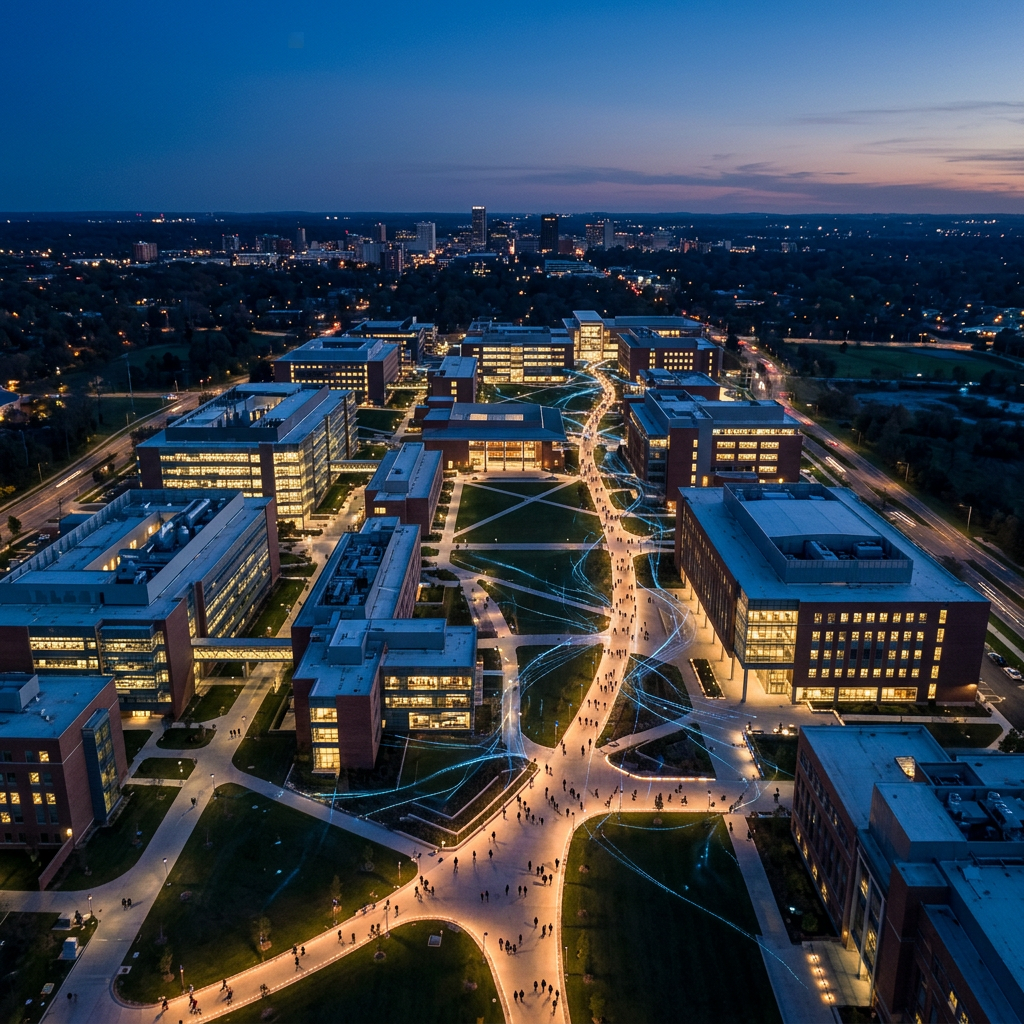
The modern university campus is a complex place, and technology has become the thread that connects everything. For today’s students, the college experience is deeply tied to digital tools that influence everything from how they learn to how they navigate daily life. This goes far beyond just online classes, creating a campus environment that’s more connected, efficient, and responsive than ever.
Technology isn’t just an extra feature in higher education anymore; it’s a core part of the student experience. It shapes academic paths and personal growth in ways that were unimaginable even a decade ago.
The Digital Campus Evolution
The idea of a digital campus has moved from a futuristic concept to something happening right now. It started with basic tools like online learning management systems (LMS), which brought together syllabi, assignments, and grades. Digital libraries and online course registration were other early steps, getting rid of paper processes and giving students instant access to key resources.
Today, this evolution has sped up. Universities now use integrated platforms where a single student ID, often on a smartphone, can open dorm doors, pay for meals, and check out library books. This change has made things more cohesive and user-friendly, letting students manage their academic and personal lives from one device.
Beyond the Classroom: Tech’s Reach
Technology’s impact reaches far beyond the classroom. Campus-specific mobile apps have become central hubs for student life, offering real-time updates on events, club meetings, and campus news. Students can use these apps to find their way around, see how busy the gym is, or check what’s on the menu at different dining spots.
This connectivity helps build a stronger community. It makes it easier for new students to find clubs and activities that fit their interests, and for all students to stay informed about what’s happening around them, which can contribute to student safety and success. Digital ticketing for athletic events and theater performances has also simplified access to extracurricular activities, removing barriers and encouraging participation in campus culture.
Streamlining Campus Operations
A modern university is like a small city, and technology is crucial for keeping it running smoothly. Behind the scenes, administrators use sophisticated software to manage everything from classroom scheduling and facility maintenance to student services. This digital infrastructure ensures resources are used efficiently and the campus environment supports learning.
One of the biggest operational challenges is managing the daily flow of people and vehicles. A campus might serve tens of thousands of individuals each day, creating logistical hurdles for access and movement. Handling this requires integrated systems, from automated building entry to advanced higher education parking solutions that help reduce congestion and ensure staff and visitors can find designated spaces. By automating these processes, universities free up resources and create a less stressful experience for everyone on campus.
Enhancing Security and Safety
Student safety is a top priority for any university, and technology offers powerful tools to protect the campus community. Emergency alert systems that can instantly send notifications via text message, email, and app alerts are now standard. These systems make sure critical information reaches students and staff quickly during an emergency.
Beyond alerts, technology improves physical security. Keycard or mobile access control for residence halls, labs, and other sensitive areas ensures only authorized individuals can enter. Advanced security camera networks, often paired with analytics, can help campus safety officers monitor public areas and respond to incidents more effectively. This technological layer of security works alongside traditional safety measures to create a more secure living and learning environment.
The Future of University Life
Technology will only become more integrated into university life. We’re already seeing AI-powered tools emerge that can offer personalized academic advising or act as virtual tutors, giving students support whenever they need it. Data analytics is also growing in importance, helping institutions identify students who might be struggling and step in with targeted support, a key factor in fostering student success.
Looking further ahead, technologies like augmented and virtual reality could change the learning experience itself. Imagine medical students practicing procedures in a risk-free virtual environment, or architecture students walking through their digital designs at full scale. As these technologies mature, they will continue to blur the lines between the physical and digital campus, creating an even more immersive and effective educational journey.
Ultimately, all this technology aims to create a student experience that’s more personalized, supportive, and efficient. By embracing these digital tools, universities aren’t just modernizing their operations; they’re fundamentally rethinking what it means to be a student.
Discover more from The Cameron Journal
Subscribe to get the latest posts sent to your email.