Image credit: Unsplash
When we think about what makes a school great, our minds often go to dedicated teachers, innovative programs, and bright students. These are the visible, celebrated parts of a successful educational environment. But behind the scenes, a different set of heroes works tirelessly to support student success: the physical buildings and the people who maintain them. From the foundation of the buildings to the equipment inside, these unsung elements are critical for a school to function safely and effectively.
Beyond Classrooms and Labs
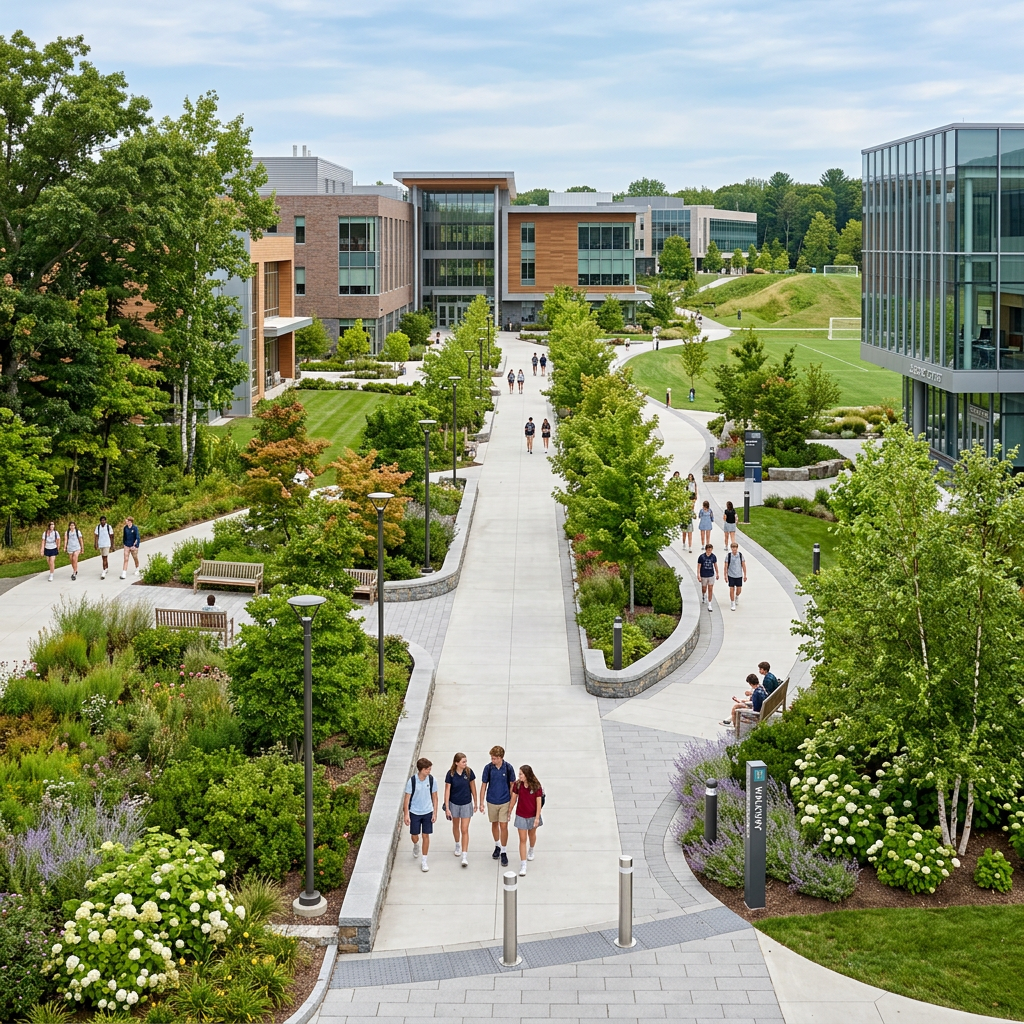
A student’s education extends far beyond the four walls of a classroom. Hallways, libraries, cafeterias, auditoriums, and athletic fields are all essential parts of the school experience. These are the spaces where students socialize, collaborate on projects, discover new interests, and build a sense of community. When these areas are neglected, it sends a message that these aspects of student life are less important. Well-maintained common areas foster a positive school culture and provide environments where some of the most important social and emotional learning happens. These spaces and the people who manage them are the unsung heroes of learning that shape well-rounded students.
Ensuring Student Safety and Well-being
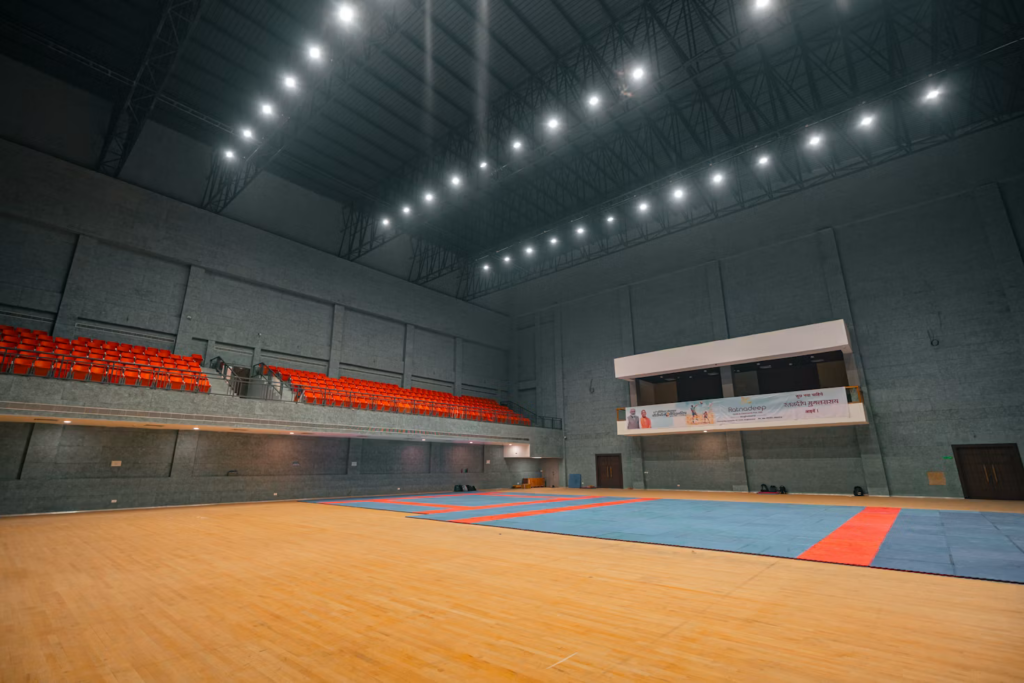
Nothing is more important than the safety of students and staff. School buildings play a direct role in creating a secure environment. This includes everything from reliable electrical systems and fire alarms to well-lit parking lots and secure entry points. It also extends to the structural integrity of every part of the campus. For example, assembly areas like auditoriums and gymnasiums must be able to safely accommodate large groups. Properly maintained and updated school bleachers are essential for ensuring spectator safety during sporting events and assemblies. A cracked step or a loose railing isn’t just an eyesore; it’s a potential hazard that can undermine the community’s trust and the school’s core mission to protect its students.
The Role of Durable Equipment
Beyond the building itself, the equipment inside must also be up to the task. Desks that wobble, lab equipment that fails, and athletic gear that is worn out can hinder learning and even pose safety risks. Investing in durable, high-quality furniture and equipment isn’t a luxury; it’s a practical necessity. Durable goods may have a higher upfront cost, but they save money over time by reducing the need for frequent repairs and replacements. This allows schools to put more of their limited budgets toward educational programs instead of constantly fixing or replacing broken items. From cafeteria tables to playground structures, choosing robust materials ensures that these assets can withstand daily use for years to come.
Maintaining Community Assets
Schools are often the heart of a community. Their auditoriums host local theater productions, their gyms become polling places on election day, and their fields are home to youth sports leagues on weekends. When a school’s infrastructure is well-maintained, it becomes a valuable asset for the entire community. This strengthens the bond between the school and its residents, fostering goodwill and encouraging public support for educational funding. Neglected facilities, on the other hand, can become a source of neighborhood blight and reflect poorly on the community as a whole. Proactive maintenance ensures these shared spaces remain safe, functional, and a source of pride for everyone.
Long-Term Investment Strategies
Addressing deferred maintenance and planning for future needs requires a strategic approach. Waiting for something to break is an expensive and disruptive way to manage infrastructure. Instead, school districts should develop long-term capital improvement plans that prioritize projects based on safety, educational impact, and urgency. This involves conducting regular facility audits to identify potential issues before they become critical failures. It also means exploring diverse funding sources, including state grants, local bonds, and community partnerships, especially as school funding continues to be a wider challenge within the education system. By planning ahead, schools can make smarter, more cost-effective investments that ensure their facilities will serve students and the community for decades.
A school building is more than just a collection of rooms. It’s the physical foundation for learning, growth, and community. By recognizing and investing in the unsung heroes of our school infrastructure, we ensure that this foundation remains strong for generations of students to come.
Discover more from The Cameron Journal
Subscribe to get the latest posts sent to your email.