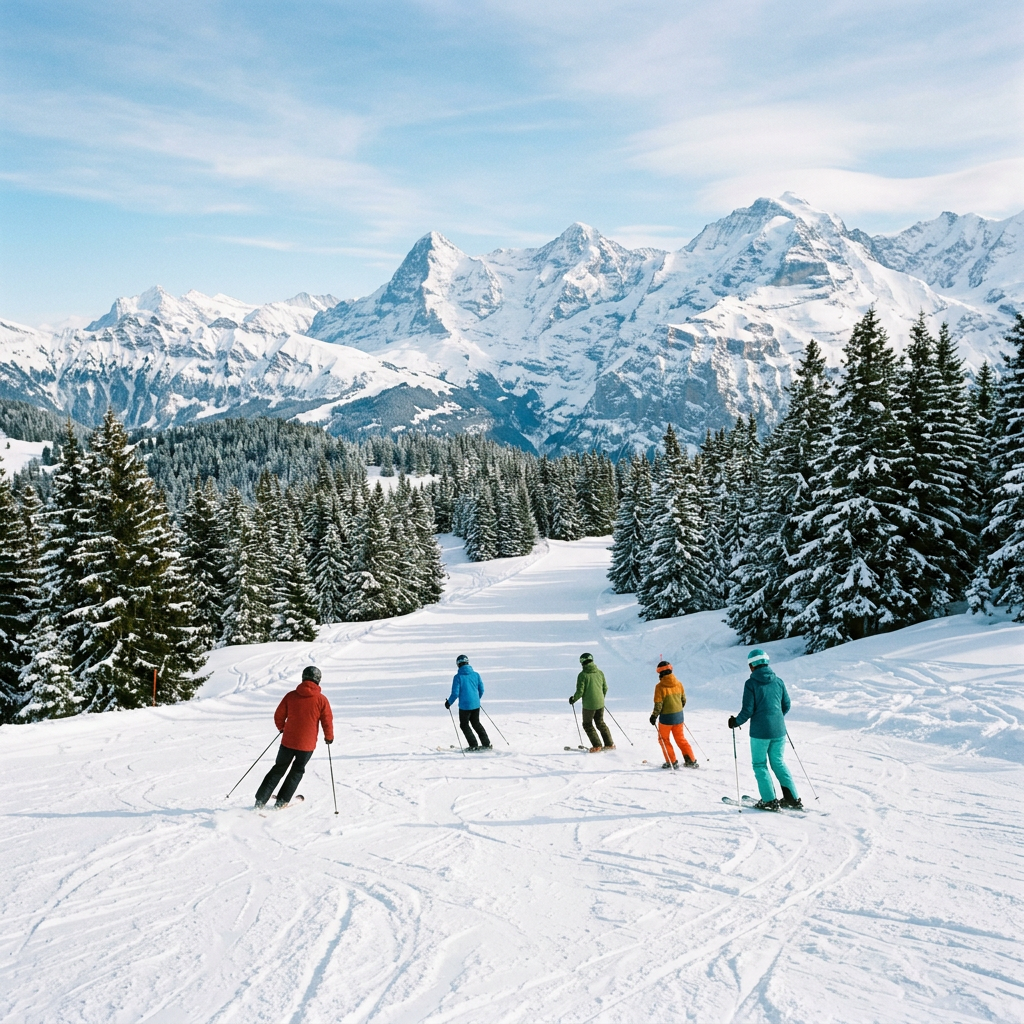
Winter often brings an instinctive urge to retreat indoors, but a growing number of people are discovering that the best way to beat the cold is to embrace it. Finding ways to stay active during the darker months is crucial for both physical health and emotional stability. Rather than letting the winter weather dictate your schedule, taking control and learning a new outdoor skill can completely shift your perspective on the season. Many people assume that skiing or snowboarding requires a lifetime of experience, but adult beginners are hitting the bunny hills in record numbers. During the recent season, millions of North Americans visited a ski area at least once, proving that winter sports are experiencing a major surge in popularity. The demographics of the mountain are shifting as well. The gender gap in winter sports has closed significantly, reaching a nearly equal split between male and female participants. Whether you are looking for a new weekend hobby or a way to stay active during the colder months, skiing and snowboarding offer incredible rewards.
Gearing Up for Comfort and Performance
One of the biggest barriers for beginners is the fear of being too cold on the mountain. However, modern thermal gear technology has completely transformed how we experience freezing temperatures. Premium winter outerwear now utilizes multi-directional stretch shell fabrics paired with high-grade waterproof laminates. These materials block heavy snow while ensuring absolute mobility on the slopes, allowing you to move freely without feeling weighed down.
The secret to staying comfortable is proactively regulating your core body temperature without adding restrictive bulk. High-performance technical brands use advanced interior thermal technologies to achieve this delicate balance. Choosing a quality outer layer, such as a reliable Spyder jacket, can make a world of difference. These garments often feature heat-distributing fabrics and ultra-fine synthetic insulations that effectively trap body heat while managing mountain moisture. Proper accessories are just as important as your jacket. Insulated, waterproof gloves and high-quality thermal socks will protect your extremities, which are typically the first areas to feel the chill. Do not forget a well-fitted helmet and anti-fog goggles to ensure clear vision and safety. When you have the right thermal protection, you can focus entirely on your technique rather than the dropping temperature.
The Physical and Mental Benefits of Hitting the Slopes
Alpine sports are much more than a scenic way to spend a Saturday. They provide a highly effective cardiovascular workout that can rival your favorite summer activities. According to Harvard Medical School estimates, a 185-pound person burns approximately 252 calories during just 30 minutes of downhill skiing. This activity operates as a natural form of interval training. Your heart rate rises intensely during descents, followed by an active recovery period during the chairlift ride. This sequence closely mimics the cardiovascular benefits of cycling or rowing.
Beyond the mechanical movements of the sport, simply exercising in cold mountain weather passively increases your total energy expenditure. Your metabolism must work harder to maintain a stable core temperature, leading to a more efficient workout. Additionally, balancing on skis or a snowboard requires constant micro-adjustments, which heavily engages your core muscles and improves overall proprioception. Mentally, spending a day in the bright mountain sun is a powerful way to combat seasonal affective disorder and the dreaded winter blues. Breathing in the fresh, unpolluted alpine air can also provide a refreshing break from the confined, indoor environments we typically occupy during the winter.
Practical Steps to Start Your Winter Journey
Taking those first turns on the snow can feel intimidating, but the winter sports industry has made it easier than ever to get involved. If you are ready to transition from a cozy fireplace to the crisp mountain air, a little preparation goes a long way.
Consider these practical tips as you plan your first ski or snowboard trip:
- Look for beginner initiatives: Many ski resorts run dedicated programs that are specifically designed to give beginners cost-effective access to professional instruction and gear rentals.
- Prepare your lower body: Downhill skiing and snowboarding require a constant semi-squatting stance. Building endurance in your quadriceps, hamstrings, calves, and glutes before you hit the slopes will significantly improve your stamina.
- Understand your layers: Always start with a moisture-wicking base layer, add a mid-layer for insulation, and finish with a weather-resistant shell. Look for synthetic insulations which maintain their thermal efficiency even if you take a tumble in the snow.
- Pace yourself: Remember that the altitude and cold weather can accelerate fatigue. Take regular breaks to hydrate and rest your legs.
Winter does not have to be a season of waiting for spring to arrive. By investing in the right preparation and taking advantage of beginner-friendly programs, you can turn the snowy months into an exciting season of outdoor exploration. Getting out on the slopes builds physical resilience, improves mental well-being, and introduces you to a welcoming community of outdoor enthusiasts. This year, trade your winter hibernation for mountain elevation and discover the thrill of gliding down the snow.
Discover more from The Cameron Journal
Subscribe to get the latest posts sent to your email.