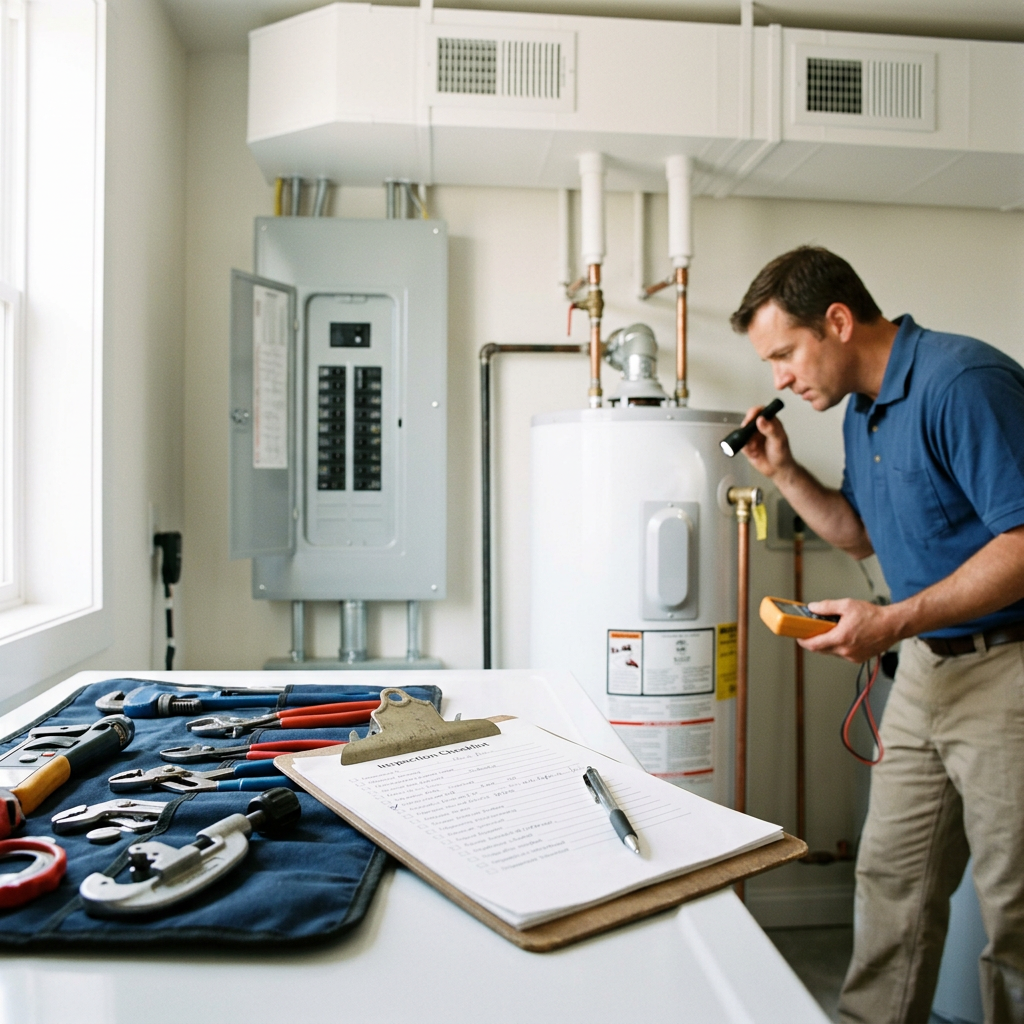
Stepping into a new home is a thrilling milestone, but the excitement can quickly fade when hidden maintenance issues surface. According to recent industry housing reports, over 80 percent of surveyed US homeowners encountered unexpected home repairs last year. Even more concerning, nearly half of those who faced these sudden maintenance issues spent thousands of dollars resolving them. Securing a new property is one of the largest financial commitments a person can make, making proactive property management absolutely essential for long-term stability.
Relying solely on a basic walkthrough is rarely enough to protect your investment. A vast majority of routine home inspections uncover at least one defect that requires fixing prior to or shortly after closing. Identifying utility and structural issues before signing the final paperwork can save buyers a significant amount in potential surprise repair costs. To safeguard your savings and ensure a comfortable living environment, thoroughly evaluating a property’s essential utilities is a critical first step.
Evaluating Your Plumbing and Water Quality
Plumbing systems are the lifelines of any home, yet they are often overlooked until a major leak occurs. Professional home inspections identify plumbing defects, such as hidden leaks or outdated piping, in a substantial portion of properties. Beyond checking for leaks and ensuring adequate water pressure, new homeowners must also consider the quality of the water flowing through those pipes.
Water infrastructure and regional mineral content vary significantly from one municipality to another. When relocating, it is highly recommended to research the local water supply. For instance, relocated buyers often search online to ask “is Nashville tap water safe to drink” to better understand local hardness levels and treatment needs. Municipal water from sources like the Cumberland River consistently meets federal safety standards, but it travels through regional limestone deposits that create high levels of natural hardness. Unfiltered hard water can lead to accelerated scale buildup on plumbing fixtures, showerheads, and water-consuming appliances.
Furthermore, while municipal facilities comply with current regulations, independent environmental organizations note that trace amounts of chloramine, disinfection byproducts, or microplastics may still remain in the supply. To address aging water infrastructure and bridge the gap between basic legal compliance and total peace of mind, whole-house water filtration systems have become a standard upgrade for many buyers moving to new municipalities. Hard water can also affect skin and hair health over time, making proper filtration an appealing lifestyle enhancement.
Assessing Electrical and HVAC Systems
Electrical and climate control systems dictate both the safety and comfort of your living space. A significant percentage of professional home inspections flag electrical system problems. Older homes may feature outdated wiring, insufficient panel capacity, or ungrounded outlets that pose serious safety hazards. If you encounter flickering lights, constantly tripping breakers, or warm outlets, consulting a licensed electrician is highly advised. Upgrading an electrical panel to support modern appliances is a common necessity that buyers should anticipate.
Heating, ventilation, and air conditioning (HVAC) systems represent another major utility check. Replacing an aging or failing residential HVAC system is one of the largest utility expenses a new buyer can face. These full system replacements can easily range from five to fifteen thousand dollars. Homebuyers must verify the age of the furnace and air conditioning units, request maintenance records, and check for signs of poor airflow or unusual noises during operation. Ensuring your home is equipped with smart thermostats can also optimize energy consumption and provide substantial utility bill savings over the years.
Essential Maintenance Checklist for the First Year
Financial experts currently advise new homeowners to budget an estimated one to four percent of their home’s total value annually specifically for routine maintenance and utility upkeep. Staying proactive helps you avoid compounding damage. Unchecked plumbing leaks or poor exterior drainage can eventually lead to foundation repairs, which are among the most expensive sudden fixes a property owner can face.
To keep your property in top condition, follow this basic utility maintenance checklist during your first year of ownership:
- Inspect and flush the water heater: Removing sediment buildup extends the lifespan of your unit and improves overall heating efficiency.
- Test all smoke and carbon monoxide detectors: Replace the batteries immediately upon moving in and test the alarms monthly.
- Locate the main water shutoff valve: In the event of a burst pipe or major leak, knowing exactly how to cut off the water supply can prevent extensive water damage.
- Change HVAC filters quarterly: Dirty filters force your climate control system to work harder, which increases energy bills and accelerates wear and tear on the internal components.
- Clear gutters and check downspouts: Ensure water is directed at least five feet away from the foundation to prevent pooling and potential structural deterioration.
Taking a proactive approach to home maintenance transforms potential disasters into manageable weekend tasks. By thoroughly evaluating plumbing, water quality, electrical panels, and HVAC systems, new homeowners can protect their investment and enjoy their space without the stress of unexpected breakdowns. Regular upkeep prevents small inconveniences from snowballing into catastrophic damage, ensuring your home remains a safe and comfortable sanctuary.
Discover more from The Cameron Journal
Subscribe to get the latest posts sent to your email.