Key Takeaways
- Fragrances serve as extensions of personal identity, highlighting unique personality traits and moods.
- Cultural heritage and background meaningfully shape scent preferences and their interpretations in society.
- New trends feature a shift towards personalized and unisex fragrances, reflecting changing cultural standards and values.
The world of fragrance extends far beyond simple aesthetics or grooming. Fragrances are woven into the tapestry of our lives, becoming an intrinsic part of how we present ourselves and connect with others. In an era where self-expression is more valued than ever, the scent we choose acts as a silent yet powerful communicator of our personal and social identity. For those seeking distinction and sophistication, the world of luxury perfume offers a curated experience that can become a quintessential part of one’s image.
The way we select, wear, and respond to fragrance is deeply personal. It is driven by a combination of individual tastes, memorable life experiences, and social influences. A preferred scent can create a signature presence that lingers in others’ minds, reinforcing aspects of who we are or aspire to be. Whether delicate and floral, woody and intense, or fresh and clean, the fragrance we wear becomes an extension of our personality, carrying subtle messages into every room we enter.
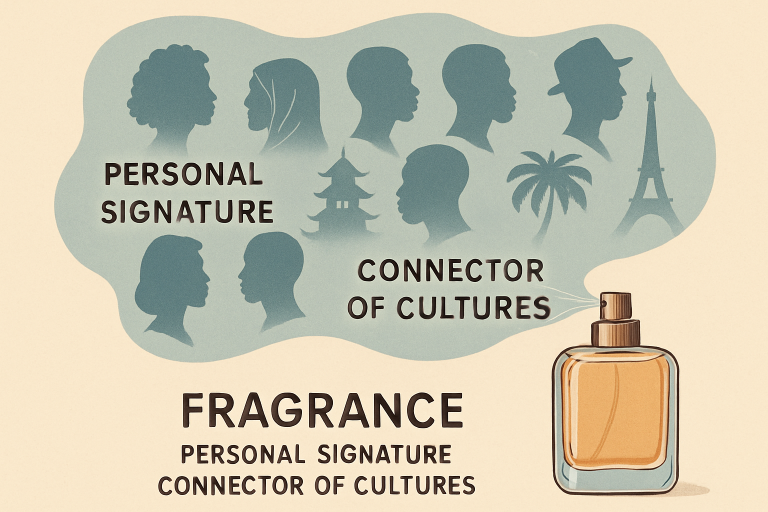
In a world marked by ever-diversifying cultures and norms, the aromas we choose reveal not just a facet of ourselves, but often the broader context of our upbringing or values. This intersection of individuality and collective identity makes fragrance more than a superficial accessory—it becomes a form of non-verbal communication, signaling mood, intent, or even status within a group.
For centuries, fragrance has played a role in personal rituals, celebrations, and social gatherings, binding groups together through shared olfactory experiences. The scents that exert the greatest influence often evoke personal memories or communal traditions, forging deep emotional connections that transcend words.
Fragrance as a Personal Signature
A person’s signature scent is a carefully curated extension of themselves. This olfactory marker not only distinguishes an individual in social settings but can also beckon forth vivid memories and powerful emotions. The most iconic perfumes tend to evoke an aura of mystery or allure, transforming an ordinary interaction into a memorable encounter. Researchers note that scent works uniquely on the brain, triggering immediate emotional responses and forming rapid associations with both people and places. As highlighted by Psychology Today, our sense of smell is closely linked to the brain’s limbic system, which supports memory and emotion. The result is that adopting a fragrance can quite literally make someone unforgettable.
Cultural Influences on Scent Preferences
Culture acts as a lens through which scent is both perceived and selected. In many Asian cultures, for example, florals such as jasmine or osmanthus are revered for their gentle sophistication and association with purity or innocence. In contrast, Western markets may gravitate towards bold, spicy, or musky notes that convey confidence and sensuality. As populations move and integrate, these olfactory traditions often blend, giving rise to new hybrid scents and trends. Rapid globalization and increased access to global markets have amplified cross-cultural exchange, creating a dynamic landscape of fragrance preferences rooted in both heritage and experimentation. A recent shift is seen in many societies where younger consumers are gravitating toward avant-garde or niche perfumes, reflecting their desire for personal authenticity and distinction.
Fragrance and Emotional Connections
The emotional impact of fragrance is well-documented in both science and culture. Scents can swiftly transport us to a different time or place and can be integral in the shaping of personal and collective memories. For instance, the smell of fresh rain, lavender, or a beloved grandparent’s perfume can evoke feelings of comfort or nostalgia within seconds. Odors act as emotional touchstones, and deliberately choosing a particular fragrance can boost confidence or soothe anxiety in various contexts. The social power of scent is evident in how certain fragrances can create immediate feelings of attraction, trust, or even empathy during social interactions.
Emerging Trends: Personalization and Unisex Fragrances
Contemporary fragrance trends are moving beyond rigid gender categories and uniformity. Brands and consumers alike are embracing both personalization and the evolution of unisex perfumes, in which scents are crafted to resonate with emotions and identities rather than traditional male or female archetypes. This modern approach reflects broader societal movements towards inclusivity and diversity. Consumers now demand fragrances that match not only their tastes but also their values and aspirations. Dossiers and bespoke fragrance services respond to this demand, allowing a truly tailored experience that considers the wearer’s lifestyle, environment, and even genetic makeup. These shifts demonstrate that fragrance is not merely a finishing touch; it is a core part of identity formation and social communication.
As the global fragrance market continues to evolve, the trend towards personal, inclusive scent creation is expected to accelerate, with new research and innovations catering to individuality and authenticity.
Final Thoughts
Fragrance remains a beautifully complex element in the mosaic of personal and social identity. The scents we choose tell stories, forge memories, and bridge gaps between cultures and emotions. By deliberately choosing perfumes that echo our personalities and backgrounds, we strengthen our sense of self and enrich how we engage with the world around us. Whether seeking to captivate, comfort, or connect, the power of fragrance endures as an essential part of living and communicating meaningfully.
Discover more from The Cameron Journal
Subscribe to get the latest posts sent to your email.