
Key Takeaways
- Material selection determines durability and maintenance needs.
- Matching the front door style to your home’s architecture enhances curb appeal.
- Energy efficiency features can significantly reduce utility bills.
- Proper security measures safeguard your home and family.
- Customization allows your entryway to reflect your personal taste.
Table of Contents
- Introduction
- Material Selection
- Style and Design
- Energy Efficiency
- Security Features
- Customization Options
- Installation Considerations
- Maintenance and Care
- Budgeting and Cost
- Conclusion
When it comes to home improvement decisions, few are as impactful as selecting the right front door. As the focal point of your home’s entrance, the front door not only welcomes guests but also plays a crucial role in security, energy efficiency, and overall curb appeal. For a detailed look at how to select a front door, understanding your options can make a lasting difference for your property.
The ideal choice balances style and practicality. A well-chosen front door can boost your home’s market value, reflect your personal taste, and keep your family comfortable and safe. Evaluating door materials, design, and features is essential to finding the right fit for your climate and lifestyle.
Security features are especially important, and door customization options allow you to express your unique style. Installation quality and ongoing maintenance also contribute to long-term satisfaction. Each of these factors merits careful consideration in today’s housing market.
Taking the time to select the right door can save you money on energy bills, prevent unnecessary repairs, and ensure a welcoming entrance for years to come.
Material Selection
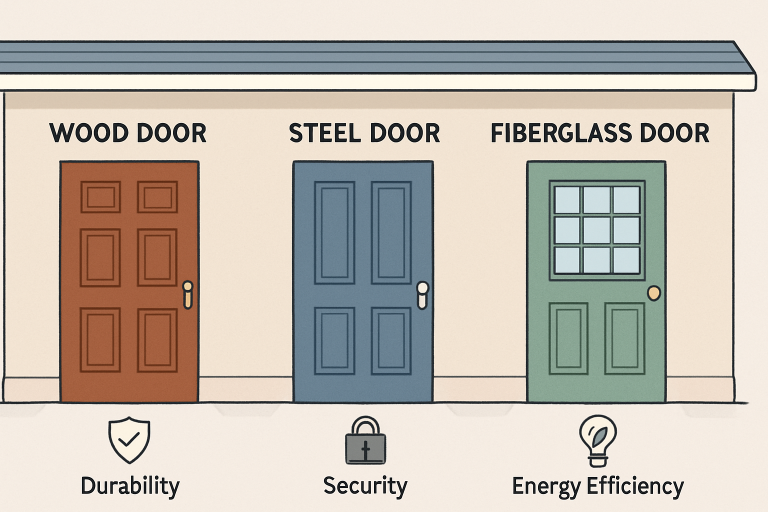
The longevity, appearance, and performance of your front door largely depend on its material. The most common options are wood, steel, and fiberglass. Each material offers unique benefits and challenges.
- Wood: Wood is prized for its timeless elegance and natural beauty. However, it does require sealing and regular upkeep to guard against warping, moisture damage, and insect infestation. Homeowners in areas with fluctuating weather should weigh the maintenance commitment involved.
- Steel: Known for its strength and affordability, steel is a popular choice in neighborhoods where security is a top concern. Modern steel doors are resistant to warping and can be finished with paint or laminated coatings, but they can be vulnerable to dents if not handled carefully.
- Fiberglass: Fiberglass doors excel at withstanding harsh climates. They can convincingly mimic the look of wood yet require very little maintenance. These doors are also well-insulated, making them an excellent option for energy efficiency.
Assess your regional climate, maintenance commitment, and desired aesthetic before making a final choice.
Style and Design
The visual harmony between your front door and your home’s exterior is essential. A mismatched style can detract from your property’s curb appeal, while a complementary design can enhance it. Some of the most popular front door styles include:
- Modern: Characterized by clean lines, smooth finishes, and minimalistic features. Modern front doors often incorporate glass panels or stainless steel hardware.
- Traditional: These doors feature ornate details, raised panels, and crown molding for a classic look. Often found in older or colonial-style homes, they provide a sense of warmth and stability.
- Craftsman: A craftsman-style door is distinct for its handcrafted appearance, thicker stiles and rails, and decorative glass inserts. This style adds character and artistry to a home’s entryway.
Consider the architectural design of your home and aim for a front door that complements rather than clashes with the existing features.
Energy Efficiency
Front doors are often overlooked contributors to household energy savings. An energy-efficient door acts as a buffer against temperature fluctuations, which can significantly lower heating and cooling bills.
- Insulated cores: Doors made from fiberglass and steel often feature high-density foam cores that provide superior insulation.
- Weatherstripping: Quality weatherstripping ensures an airtight seal, blocking drafts and moisture.
- Energy Star certification: Look for this label, which verifies compliance with strict energy efficiency standards.
Choosing an energy-efficient front door is a smart long-term investment in home comfort and sustainability. Upgrading entry doors can yield significant cost savings over time.
Security Features
Front doors are a key line of defense for your home. Investing in advanced security features can reduce your risk of break-ins and keep your household safer. Consider these enhancements:
- Multi-point locking systems: Instead of a single lock, these systems secure the door at multiple points along the frame, providing greatly increased resistance to forced entry.
- Reinforced frames: A sturdy frame is as important as a strong door. Reinforced steel or solid wood frames help prevent prying and kicking.
- Impact-resistant glass: If your door has windows, choose laminated or tempered safety glass that resists break-ins and shatters less easily.
Security upgrades are an investment in your peace of mind and your home’s value.
Customization Options
Customizing your front door allows you to make a personal statement. A few popular options include:
- Color and finish: A bold paint or stain can set your home apart and reflect your style. Choose colors that enhance your existing exterior palette.
- Glass inserts: Add artistic flair and natural light. Many homeowners opt for decorative or textured inserts that offer privacy while allowing light to enter.
- Hardware: Finish your door with hardware that complements your preferred style. Choose from a variety of handles, knockers, and lock finishes for added functionality and curb appeal.
Thoughtful customization ensures your entryway creates the impression you desire, whether classic, contemporary, or uniquely your own.
Installation Considerations
Expert installation is key to ensuring your new front door performs as expected. Homeowners generally choose between:
- Pre-hung doors: These include both the door and the frame, simplifying installation and ensuring a proper fit. Ideal for new construction or if the existing frame is damaged.
- Slab doors: Provided without a frame, these require an existing, undamaged frame and more advanced carpentry skills for retrofitting.
Professional installation can minimize issues and extend the life of your investment by ensuring a secure, weather-tight fit.
Maintenance and Care
With regular care, your front door can maintain its function and appearance for many years. Follow these tips to protect your investment:
- Cleaning: Wipe both sides of your door with mild soap and water as needed to remove dirt.
- Inspecting seals and weatherstripping: Examine seals annually and replace any that are worn or cracked to prevent drafts.
- Repainting or refinishing: Wooden doors, in particular, benefit from being finished every couple of years to protect against sun, rain, and temperature fluctuations.
Consistent attention helps your door resist wear, weather, and aging for ongoing curb appeal and performance.
Budgeting and Cost
The price of a new front door depends on several factors, including the chosen material, design complexity, and security or efficiency features. To budget effectively:
- Material costs: High-end wood is generally costlier than steel or fiberglass, but it can add luxury appeal and warmth.
- Added features: Incorporating glass inserts, smart locks, and premium hardware will increase your total investment.
- Installation fees: While DIY installation may save some money, professional help guarantees long-term satisfaction with fewer costly repairs down the line.
Plan your budget with both initial costs and long-term savings in mind. Thoughtful investment ensures satisfaction, security, and style for years to come.
Conclusion
Choosing the right front door is one of the most meaningful investments you can make in your home. From selecting durable materials and aligning the design with your home’s architecture to prioritizing energy efficiency and security, each decision plays a vital role in both daily comfort and long-term value. Thoughtful customization lets your entryway reflect your personality while enhancing curb appeal.
Equally important are proper installation and consistent maintenance, which ensure your door performs well for years to come. By carefully weighing your options and planning your budget with both immediate costs and long-term benefits in mind, you can create a welcoming, secure, and efficient entrance that elevates your entire home.
Discover more from The Cameron Journal
Subscribe to get the latest posts sent to your email.




