

Table of Contents
- Importance of Continuous Education
- Technological Advancements in Dentistry
- Meeting Patient Expectations
- Regulatory Compliance
- Specialization and Advanced Training
- Methods of Continuous Education
- Benefits of Peer-Led Study Groups
- Conclusion
In today’s fast-paced and constantly changing dental field, it is more important than ever to stay at the forefront of knowledge. By engaging in ongoing learning, dental professionals not only maintain high standards of care but also boost patient confidence and fulfill industry requirements. An excellent way to stay updated is to explore dental continuing education courses, which offer access to the latest practices and innovations to enhance your career.
Continuous education serves as the backbone for clinical excellence, compliance, and personal advancement. Whether you are seeking to deepen your expertise, adapt to emerging treatments, or fulfill licensing mandates, lifelong learning is essential to thrive as a modern dental professional. By committing to ongoing education, you will be prepared for new challenges and equipped with a broader skill set that benefits your patients and your practice.
Remaining informed about the latest research and developments is not just advantageous for patient care, but it also strengthens your value in an increasingly competitive landscape. As many patients turn to online resources before visiting their dentist, staying updated helps you offer accurate, timely answers and reassurance. This dedication to education translates to improved treatment outcomes, higher patient satisfaction, and greater trust in your professional abilities.
Continuous learning also supports your adaptability, as changes in technology and regulation mean that dental skills and requirements are no longer static. Practitioners who regularly learn and evolve can smoothly transition as new systems, practice management platforms, and clinical techniques emerge.
Importance of Continuous Education
Continuous education is pivotal for dental professionals, as it bridges the gap between traditional knowledge and ongoing scientific advances. When dentists engage in continual learning, they can adopt new techniques, stay up to date on trends, and deliver the highest possible quality of care. Consistent learning also supports ethically sound practice, minimizing risks and protecting patient welfare. According to the American Dental Association, continuous professional development is necessary to foster trust with patients and to keep up with the evolving landscape of best clinical practices. For dentists interested in clinical research and emerging treatments, reviewing recent studies in journals like the Journal of the American Dental Association can further enhance their professional expertise.
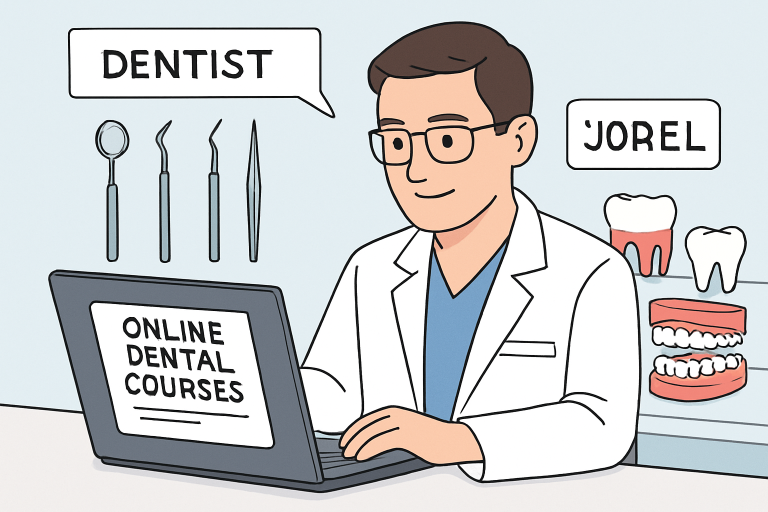
Technological Advancements in Dentistry
The dental sector has undergone remarkable advancements, reshaping diagnostic, restorative, and patient management strategies. Technologies such as digital X-rays, computer-aided design and manufacturing (CAD/CAM), laser dentistry, and 3D printing have revolutionized the delivery of care. Moreover, digital impressions now offer greater comfort, greater accuracy, and shorter turnaround times for patients and practitioners alike. Teledentistry has become a mainstream tool for consultations and remote patient care, notably since the COVID-19 pandemic increased the use of virtual health services. Remaining educated about these innovations allows practitioners to optimize practice efficiency, deliver improved therapy, and offer cutting-edge solutions that align with modern patient expectations.
Meeting Patient Expectations
Patients today are more knowledgeable and actively involved in their healthcare decisions. They expect transparency, evidence-based recommendations, and the latest treatment options. Dentists who keep pace with new advancements can better explain procedures, address questions, and reduce patient anxiety. This education-driven approach fosters trust and strengthens patient-provider relationships. Ultimately, informed professionals are prepared to deliver not just excellent care but also a supportive, responsive experience that distinguishes their practice from others. For further insight into evolving patient expectations, the article on patient communication from the ADA provides helpful guidance.
Regulatory Compliance
The landscape of dental regulation is continually evolving, as laws and standards adapt to advancements in sterilization, privacy, and safety. Ongoing education is one of the most effective ways to stay compliant with these regulations. Participation in accredited courses helps practitioners stay up to date on dental licensing, patient data protection, and infection control. Failure to comply with regulatory changes can result in legal consequences and loss of licensure. As such, keeping up to date with regulatory shifts should be prioritized in every dental professional’s career plan.
Specialization and Advanced Training
For those seeking to specialize in fields such as pediatric dentistry, endodontics, oral surgery, or orthodontics, continuous learning is even more essential. Specialized areas demand a deep understanding of complex procedures, technology integration, and unique patient management needs. Advanced education facilitates skill-building and qualification for specialty certifications, which can open doors to new roles and higher earning potential. Fellowships, residencies, and board certifications all require a commitment to continuing education. By establishing expertise in a focused discipline, practitioners can serve their communities better and carve out a strong, unique professional identity.
Methods of Continuous Education
Dental professionals have access to a diverse range of learning methods. Traditional avenues include seminars, conferences, hands-on workshops, and practical residencies. In recent years, online learning has become prominent, delivering flexibility for busy schedules. Virtual classrooms and webinars cover everything from regulatory requirements to the latest surgical techniques. Organizations like the American Dental Education Association (ADEA) provide valuable on-demand resources that accommodate diverse schedules and learning styles. Another effective method is participating in mentorship programs or shadowing experts to learn new procedures or technologies.
Benefits of Peer-Led Study Groups
Peer-led study groups offer a collaborative model for professional growth. By facilitating open discussion of challenging cases, sharing clinical experiences, and reviewing contemporary literature, these groups can inspire creative problem-solving and ongoing improvement. Learning in a group setting also encourages accountability and motivation and can make the process more enjoyable. Discussing real-life applications of new skills and technologies helps cement understanding and prepares dentists to apply novel concepts in everyday clinical practice.
Conclusion
A commitment to continuous education is fundamental in the dental profession. It supports superior care, drives compliance, and accelerates career advancement. By routinely seeking knowledge through dental continuing education courses, workshops, or peer collaboration, dental practitioners can confidently navigate the field’s most pressing challenges and opportunities. Remaining proactive with ongoing education ensures you are always ready to deliver the best outcomes for your patients and your career.
Discover more from The Cameron Journal
Subscribe to get the latest posts sent to your email.




