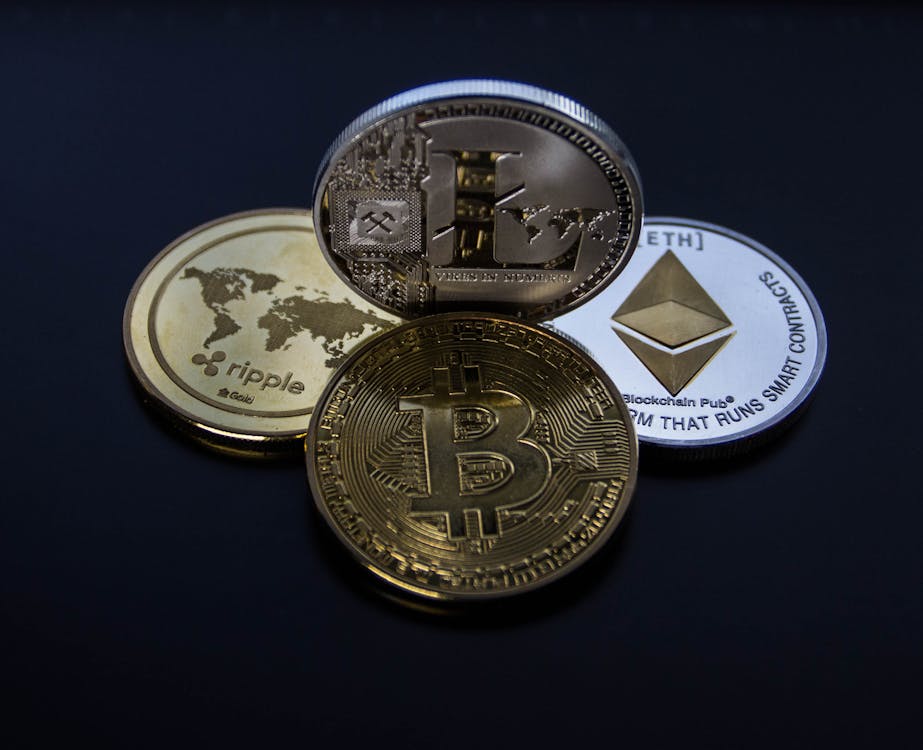
Cryptocurrencies and digital assets are growing in popularity. As the market grows, more and more investors looking for ways to get involved! But before you jump head-first into the world of cryptocurrency, it’s important to understand what exactly it entails. Continue reading to learn the basics of cryptocurrency and digital assets.

What is a Cryptocurrency?
Cryptocurrencies are digital currencies that use cryptography for security. They are built upon distributed ledger technology called the blockchain. Cryptos operate independently of a central bank or government, meaning they are not regulated by any entity. Plus, they offer the potential to facilitate fast and secure online payments. Some examples of cryptocurrencies include Bitcoin, Ethereum, Ripple, Litecoin, and more!
What is a Digital Asset?
Digital assets are digital representations of value. These assets can be used for various purposes, such as storing, exchanging, and spending. Examples of digital assets include cryptocurrencies, utility tokens, security tokens, non-fungible tokens (NFTs), and gaming items. These digital assets are also built upon blockchain technology and are designed to be secure and decentralized.
How do Cryptocurrencies and Digital Assets Work?
Cryptocurrencies and digital assets operate freely on the internet without the need for a central authority. Transactions are instead verified by network nodes through complex cryptography. This cryptography helps ensure that digital assets remain secure and that all transactions are recorded.
What is Blockchain Technology?
If you have heard of cryptocurrencies, you likely have heard of the blockchain as well. But what is it? Basically, the blockchain is a digital ledger that records transactions. It is the basis of most cryptocurrencies and digital assets.
The blockchain works by breaking down each transaction into blocks of data. These blocks are then stored in an immutable distributed ledger, or “chain”. This makes it quite difficult for anyone to tamper with the records or manipulate the data! This is because the ledger is always updated and monitored by hundreds and thousands of computers around the world.
Risks Associated with Investing in Cryptocurrencies and Digital Assets
Like any investment, there are certain risks associated with investing in cryptos and digital assets. These include, but are not limited to, the following:
Volatility
First off, cryptocurrencies and digital assets are volatile in nature. Prices can swing dramatically in a short amount of time, which can lead to significant losses if you’re not careful. Several factors contribute to the volatility of the digital asset market, including speculation and market manipulation. Although more traditional investments can also be quite volatile, they offer more stability. This is because traditional investments like stocks are based on actual assets and are not wholly speculative. So, it is important to do your due diligence first before investing in these digital assets.
Lack of Regulation
Another risk to consider is the ever-changing regulatory landscape for digital assets. Cryptocurrencies and digital assets are still considered somewhat new. So, many countries across the world have yet to create clear rules and regulations surrounding these investments. Currently, there is no single global framework that applies to these digital assets. This makes it difficult to know what regulations may be imposed on your investments, and it could have an impact on your profits.
Security Vulnerabilities
Cryptocurrencies and digital assets also come with certain security risks associated with them. As mentioned, cryptocurrencies are not backed or insured by any government. Thus, they can be vulnerable to theft or fraud if proper security measures are not taken. Additionally, the technology behind these digital assets is still new. And new security flaws could be discovered as the technology evolves.
To keep your crypto safe, be sure to use secure wallets and exchanges when trading and storing your digital assets. It’s also worth noting that hackers could gain access to your private keys, to steal any digital assets associated with that wallet. Thus, seasoned crypto traders recommend using a cold storage wallet and multi-factor authentication for extra security.
Price Manipulation
Digital assets are also vulnerable to price manipulation because of the lack of regulation in this space. Market participants can artificially inflate prices through market manipulation. Some of the popular methods include wash trading, spoofing, and pump-and-dump schemes. All these can lead to significant losses when investing in digital assets.
Liquidity Risks
Finally, crypto assets also come with liquidity risks. Since there is no established market for these digital assets yet, they are not widely accepted as a form of payment compared to fiat currencies. It can be difficult to sell them at the desired price when you need to cash out your investments. This could lead to significant losses if you’re forced to dump your holdings at a lower price.
Final Word
Investing in cryptocurrency and digital assets can be quite profitable if done right. But there are certain risks associated with these investments that you should be aware of before taking the plunge. Ensure that you understand all the factors mentioned above and do your research so your investments are secure and protected. With the right knowledge and risk management strategies, you can maximize your returns with these digital assets.
Discover more from The Cameron Journal
Subscribe to get the latest posts sent to your email.