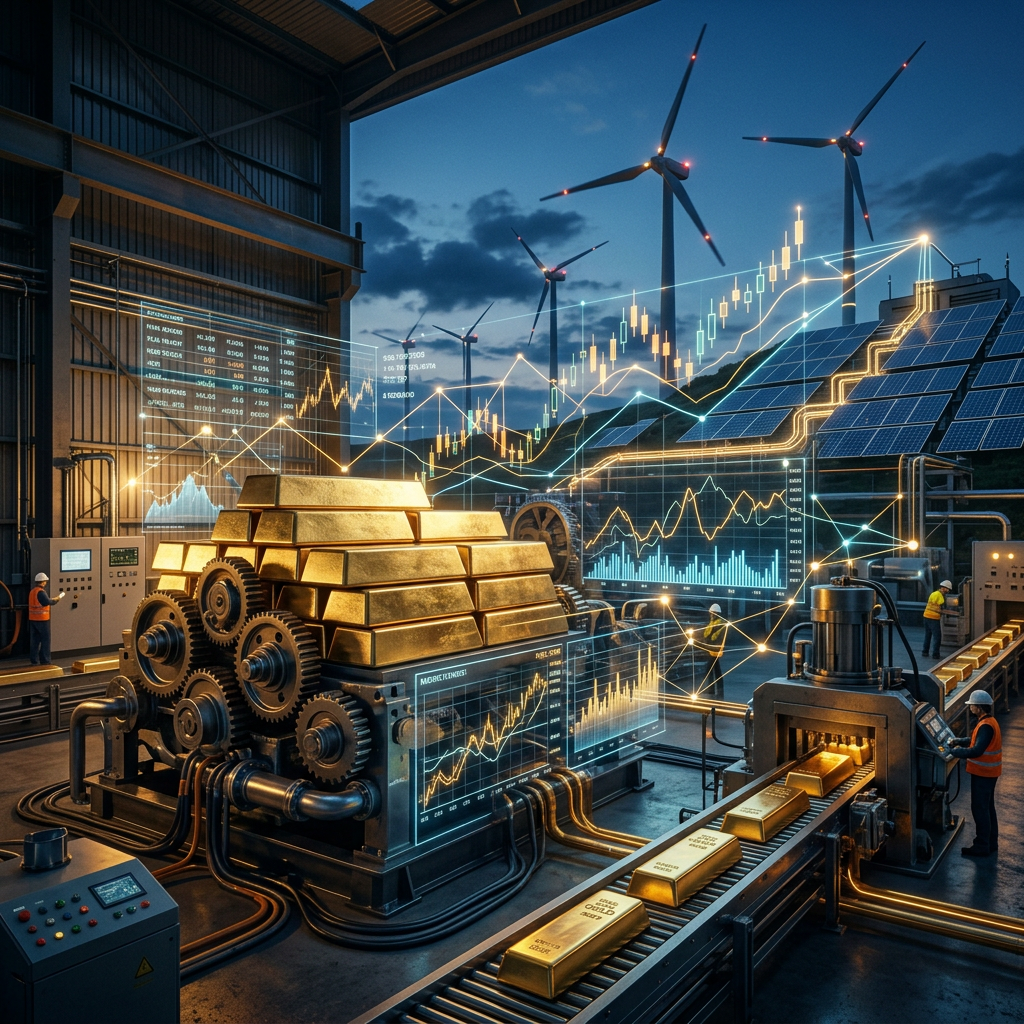
We live in an era where wealth is increasingly invisible. From cryptocurrency wallets to digital banking platforms, the modern economy operates largely in the cloud. However, recent market shifts have reminded investors that while we may live in a digital world, we still rely on a physical reality. This growing awareness has sparked a renewed interest in tangible assets, particularly physical commodities like silver, which offer a unique balance in an increasingly digitised landscape.
The Shift Toward Algorithmic Finance
The last decade has seen a rapid acceleration in financial technology. Today, many investment portfolios are managed by code rather than human intuition. When exploring the technological platforms shaping modern trading, it becomes clear that the financial sector has grown overwhelmingly fast-paced and speed-oriented. Algorithms can execute thousands of trades in a fraction of a second, reacting to global news events before a human analyst can even read a headline.
While this technological leap offers unprecedented efficiency, it also introduces systemic fragility. The sharp sell-offs and extreme volatility witnessed across digital asset markets in late 2025 and early 2026 proved that highly digitised portfolios often behave as high-beta speculative risks. When interest rates shift or macroeconomic stress triggers rapid liquidation dynamics, wealth that exists solely on a server can evaporate just as quickly as it was generated.
The Grounding Effect of Physical Assets
To counteract the volatility of algorithmic trading, many investors are returning to traditional stores of wealth. Physical commodities provide a necessary grounding effect, offering intrinsic value that cannot be erased by a server outage or a glitch in a trading platform. Unlike digital numbers on a screen, tangible metals possess a historical track record of preserving purchasing power during periods of elevated inflation.
For everyday investors looking to build resilience into their holdings, accessing this market has remained remarkably straightforward. For instance, purchasing a one oz silver coin provides an affordable, highly liquid entry point into the precious metals market. These universally recognised assets allow individuals to hold physical wealth directly, serving as a tangible hedge against the unpredictable swings of tech-heavy equities.
The local market in Australia has seen exceptional momentum in this space. Retail investors, seeking stability, have driven massive domestic demand for physical bullion. This shift is reflected in recent pricing trends, with physical silver in Australian dollar terms surging from around $54 per ounce in early 2025 to over $100 per ounce by early 2026. Global market data reveals a highly concentrated retail footprint for tangible wealth, as just four countries (the United States, India, Germany, and Australia) now account for approximately 80 percent of all physical silver investment worldwide.
The Industrial Engine Driving Tangible Value
Beyond its role as a monetary safe haven, silver possesses a dual identity that makes it entirely unique. It is not merely a static store of value, but an essential manufacturing input for the digital economy itself. The global silver market has operated in a structural supply deficit for over five consecutive years leading into 2026, as relatively inelastic mine supply has failed to keep pace with soaring industrial consumption.
According to recent market forecasts, the global silver industry is projected to grow at a 4.62 percent compound annual growth rate from 2026 to 2031, driven heavily by physical industrial demand for 5G components and solar panel production. This industrial consumption means that more than half of all silver mined globally is now consumed by physical manufacturing and infrastructure projects.
The critical drivers behind this unprecedented industrial demand include:
- Next-generation solar energy: The transition to highly efficient n-type solar panels, such as TOPCon and HJT cells, requires highly conductive silver paste on both sides of the panel. Solar photovoltaic manufacturing has become silver’s fastest-growing end market, consuming well over 200 million ounces globally in 2024.
- Artificial intelligence infrastructure: The massive global buildout of data centres and AI hardware requires high-bandwidth memory chips and advanced semiconductor supply chains, all of which depend on physical silver components.
- Electric vehicles and telecommunications: Silver remains an irreplaceable physical component in 5G base stations, EV manufacturing, and high-voltage electrical grid components due to its unmatched electrical and thermal conductivity.
Balancing the Digital and the Physical
The underlying fundamentals of physical commodities present a stark contrast to digital volatility. As a result of constrained supply and surging demand, the gold-to-silver ratio compressed drastically from approximately 92 in early 2025 down to roughly 59 by mid-2026, indicating a historical outperformance of silver as an asset class.
Ultimately, the digital economy cannot exist without physical infrastructure. While algorithmic trading and cloud-based assets will continue to dominate financial headlines, the foundational stability of tangible commodities remains essential. By balancing fast-paced digital investments with indispensable physical assets, individuals can navigate the complexities of modern finance with greater confidence and security.
Discover more from The Cameron Journal
Subscribe to get the latest posts sent to your email.