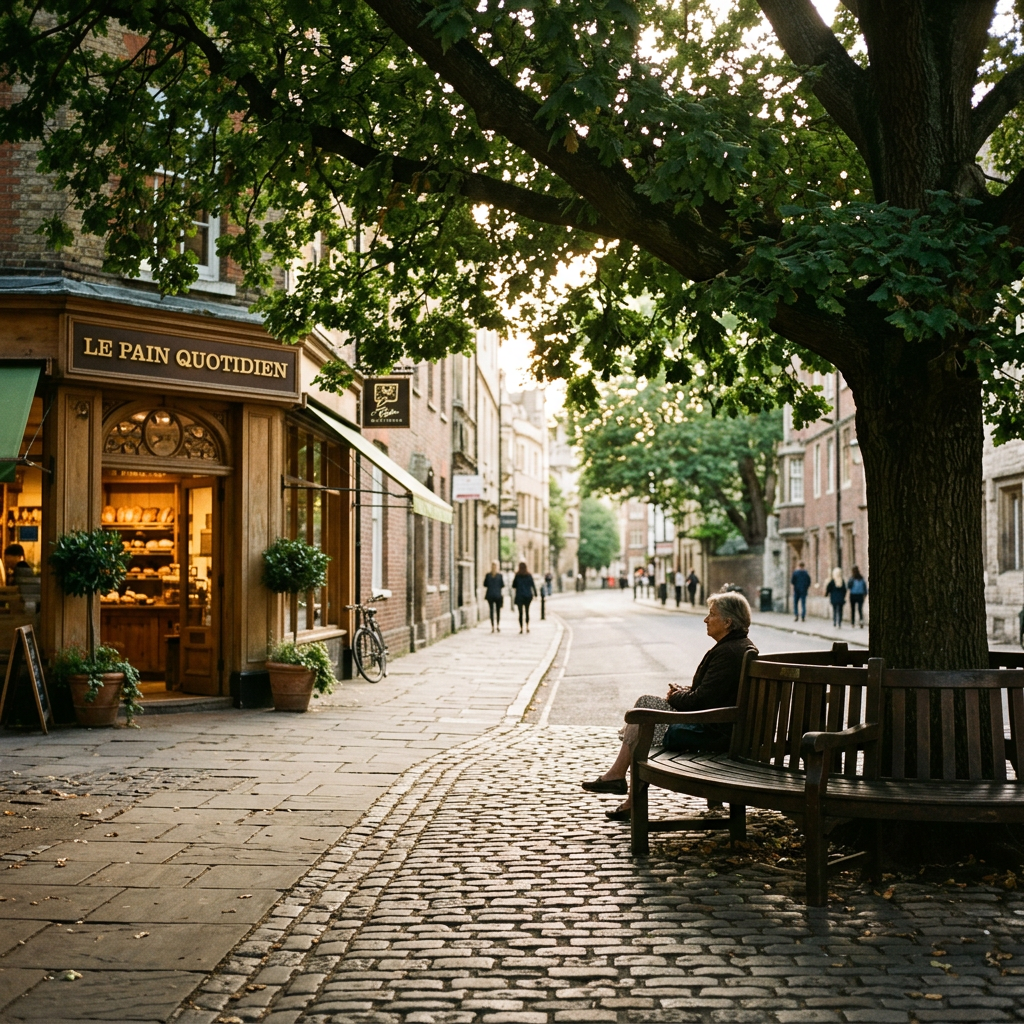
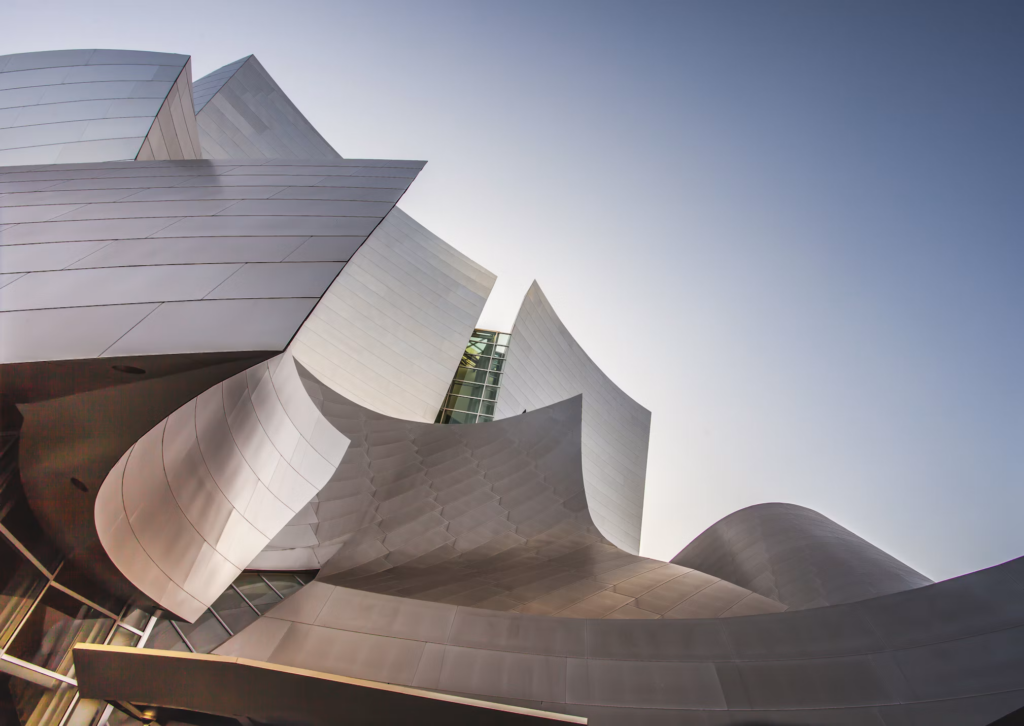
A bench under a tree, an open bakery door and a repaired brick front can make a street feel welcoming. A stretch of blank walls with nowhere to sit offers fewer reasons to pause. You can probably name a local example of each.
Architects and their clients help shape that experience through decisions about entrances, materials, trees and activity at pavement level. Local planning rules and residents’ needs also influence what gets built.
Key Takeaways
- Everyday streets help shape a city’s character alongside its landmarks.
- Entrances, seating and shade affect how accessible and comfortable a place feels.
- Professional design guidance calls for residents to have a voice throughout the design process.
Why a Place Feels Like Itself

A market, a hill, a row of houses or a particular quality of light can help a city feel like home. Buildings contribute to that sense of place through their uses and their relationship with their surroundings.
Familiar details. The link between architecture and city identity runs through repeated features: the colour of local stone, the height of rooflines or the way a street bends toward a river or mountain. A June 2025 academic case study of Almaty used a public opinion analysis to show that modern architecture plays an important part in preserving and expressing the city’s identity. That finding concerns one city, so it doesn’t establish a rule for every place.
Old places, new uses. Adaptive reuse means giving an existing building a new purpose instead of demolishing it. The United States National Park Service documents the Open Air School in Columbus, Ohio, as a case where new uses fit the historic school while retaining its recognisable character.
The November 2025 book Cities’ Identity Through the Art of Urban Spaces connects heritage preservation with social bonds and cultural diversity. That conceptual framing helps explain why residents may value a familiar building even after its purpose changes.
One building, several everyday roles. Combining cultural and retail uses can give people reasons to visit at different times of day. The portfolio of Aedas, an international architectural firm, includes The Star in Singapore.
The project places an elevated auditorium above an open-air atrium wrapped by retail floors, all within a single development. Its mix of uses illustrates how one building can accommodate different activities.
Design Choices You Notice on an Ordinary Day
You don’t need architectural training to assess how a place works for you. Start with the route to its entrance and the spaces around it. Small details often decide whether you linger or move on.
Getting in and getting around. Stand across the street from a building and look for the front door. Is it easy to find? Is there a step-free route to it?
Can you walk along the block, or does a blank wall or car park run its full length? These details matter when you’re walking with a pushchair, using a walking aid or trying to reach an unfamiliar entrance.
Somewhere comfortable to pause. Shade and seating make outdoor spaces more inviting. The United States Environmental Protection Agency notes that trees and other vegetation lower surface and air temperatures by providing shade and cooling.
Vegetation that directly shades buildings can also reduce demand for air conditioning. On your walk, look for a bench, a low wall, a tree or an awning where you would feel comfortable waiting for a friend.
Reasons to stay. A place’s appearance and its everyday use deserve separate attention. Gensler’s City Pulse 2026 research, a firm-sponsored survey of urban residents, reported that 73% of respondents rated their downtown highly, while fewer than half visited weekly.
Those figures don’t establish why the gap exists. Still, they suggest that a favourable impression alone doesn’t guarantee regular visits.
UNESCO’s discussion of cultural tourism in Europe warned that unmanaged visitor growth can disrupt local communities and compromise authenticity. When assessing a place, consider whether residents can use it comfortably alongside visitors. Travellers who look beyond the main sights for authentic local experiences, such as neighbourhood markets and parks, also get a truer sense of how a place works for the people who live there.
For a mixed-use development such as The Star, that includes looking at everyday access to its auditorium, retail floors and open-air atrium.
Having a say. Design decisions affect neighbours as well as clients and occupants. The American Institute of Architects’ Design for Equitable Communities guidance asks project teams to engage the community throughout the design process and consider displacement. This is professional guidance rather than law, and design alone cannot prevent people from being priced out.
When reviewing plans for a nearby project, check for step-free entrances, seating, shade and the local features you value. Ask how the proposal addresses any gaps and how residents’ comments will inform the design. Your local authority’s consultation process will determine when and how you can submit feedback.
It also helps to visit the site at different times. A street that feels lively at lunchtime can feel empty after dark, and a plaza that works in spring may offer little shade in summer. Notes and photos from those visits give your comments more weight.
Conclusion
Good city design appears in ordinary routes, entrances, shade, seating and familiar buildings, not only landmarks. Notice what helps people stay, and ask how residents can shape nearby proposals.
FAQs
Do architects decide how an entire city looks?
Architects design individual projects for clients within rules set by local authorities. A city’s appearance develops through decisions by architects, clients, planners and residents over time.
Can a modern building fit into an older neighbourhood?
It can respond to the surrounding landscape, rooflines, materials and local history. The Almaty case study found that modern architecture matters for preserving a city’s identity, though it doesn’t provide a formula for every new building.
How can residents influence a proposed building?
Check how your local authority publishes proposals and invites comments. Ask to see plans while design decisions are still open. AIA guidance calls for community engagement throughout the design process, but participation procedures differ by location.
Does a building need to be famous to matter?
Everyday buildings shape familiar routes and activities. AIA guidance notes that design decisions affect the larger community beyond the client and current occupants. A corner shop’s entrance or a school’s boundary can affect anyone walking past.
Discover more from The Cameron Journal
Subscribe to get the latest posts sent to your email.