
Key Takeaways
- Stay calm, write down accurate details, and avoid relying on guesses.
- Confirm where the person is being held before discussing payment or release options.
- Understand the difference between cash bonds, surety bonds, and personal bonds.
- Read every agreement carefully and keep copies of all paperwork and receipts.
- Track court dates and release conditions from the moment the person leaves custody.
- Contact a criminal defense attorney for advice about charges, defenses, or legal strategy.
An arrest can turn an ordinary Houston day into a stressful rush of phone calls, incomplete information, and urgent decisions. Whether a family is trying to reach someone after work, during a stormy night, or from across town, the most helpful first step is to slow down long enough to verify the facts.
Families researching Houston bail bonds can find general information on local bond services through ASAP Bail Bonds. This Houston-based provider offers around-the-clock assistance with surety, federal, and transfer bond questions in Harris County and nearby communities. A local agency can help explain bond paperwork, payment arrangements, and release logistics, but it cannot provide legal advice or replace a defense attorney.
The First Hours After an Arrest
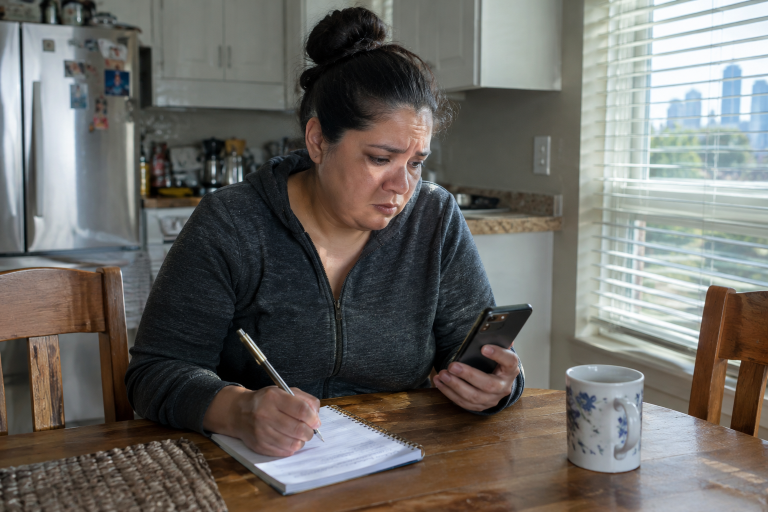
Early confusion is normal. The person in custody may not yet have a booking number, and bond information may not be available immediately. Start a written note on your phone or paper and record the person’s full legal name, date of birth, arresting agency, possible jail location, known charges, and any information shared during a phone call.
Keep conversations respectful with officers, court personnel, and jail staff. Ask whether the person has been booked, whether a bond has been set, and whether there is an upcoming court appearance. If the case involves serious charges, prior cases, immigration concerns, or restrictive release terms, contacting a criminal defense lawyer promptly can be especially important.
Confirming Someone’s Jail Location
Do not assume that the first facility mentioned is the final location. During booking, a person may be processed, transferred, or waiting for information to appear in a public system. Before paying anyone or signing an agreement, confirm that the person is actually in custody and identify the facility holding them.
For city-related matters, the City of Houston’s jail information guidance directs families to verify whether someone is at the Harris County Joint Processing Center and explains available methods for release on certain city charges. Confirming the location first helps prevent wasted calls and reduces the risk of sending money based on incorrect information.
Information Families Should Gather
A bond agency or attorney can often begin helping with limited information, but accurate details make the first conversation more efficient. Gather what you can without guessing:
- The person’s full legal name and date of birth
- Booking number, if available
- Jail name and location
- Known charges or case number
- Bond amount, if it has been assigned
- Next court date, courtroom, or courthouse information
- Contact details for a dependable family member or signer
Common Release and Bond Options
Release options depend on the court, the charge, the person’s history, and other circumstances. No single option is right for every case.
- Cash bond: The full required amount is paid directly through the court or jail’s authorized process.
- Surety bond: A licensed bonding company posts the bond under an agreement with the defendant and any indemnitor or cosigner.
- Personal bond: The court may release a person based on a promise to appear and comply with the conditions ordered, without requiring traditional security upfront.
- Additional conditions: A court may order supervision, check-ins, travel limits, no-contact requirements, testing, or other rules.
In Harris County, Pretrial Services explains personal-bond eligibility as a decision for the judge that may consider community stability, charge seriousness, and public-safety concerns. A personal bond is not automatic, and a release order can still include meaningful responsibilities.
How To Compare a Bail Bond Agency
When considering a surety bond, ask direct questions before signing. A reputable conversation should leave you with a clear understanding of the agreement, not more uncertainty.
- Is the agency authorized to handle bonds in the relevant county?
- What amount is due at the beginning of the process?
- Is the payment a fee, collateral, or both?
- Are payment arrangements available, and what happens if a payment is late?
- What responsibilities does the co-signer accept?
- What could happen if the defendant misses court?
- Will the agency provide written terms and explain them before signing?
Keep copies of the contract, payment receipts, contact information, and any collateral documents. Ask which payments may be refundable and which are not. Never sign blank forms or transfer money to someone whose identity and business details you have not verified.
Release Conditions and Court Dates
Leaving jail does not end the criminal case. The person released must appear when required and comply with all conditions of the bond order. Missing court or violating a condition can create serious problems, including a warrant, bond forfeiture, or a request to change release status.
A Simple Court-Date Safety Plan
- Write down each hearing date before leaving the jail or bonding office.
- Set multiple reminders on different devices.
- Confirm the court location, arrival time, and identification requirements.
- Review bond conditions with an attorney if anything is unclear.
- Contact the attorney or court promptly if an emergency may affect attendance.
Mistakes That Can Slow the Process
- Calling multiple agencies before confirming the jail location
- Guessing about charges, bond amounts, or court dates
- Signing documents without reading the financial obligations
- Assuming payment means immediate release
- Ignoring requests for identification or co-signer information
- Forgetting to record court dates and release conditions
- Sending funds after receiving an unverified call, text, or social-media message
Families should be cautious about scams during stressful moments. Verify a business phone number, physical location, licensing information, and payment instructions independently before sending money. If something feels rushed or unclear, pause and ask for written information.
Common Questions From Families
How long does the release take?
Timing varies by booking procedures, court review, bond type, paperwork, payment processing, and jail operations. Posting a bond begins the release process, but it does not guarantee an exact release time.
Can someone be released without a commercial bond?
Yes. Depending on the case and the court’s decision, release may occur through a personal bond, a cash bond, or another authorized method.
Does posting bond end the criminal case?
No. Bond addresses release from custody while the case continues. The person must still attend court and comply with all applicable conditions.
What should happen after a missed court date?
The person should contact a defense attorney or the court as soon as possible. Waiting can make the situation harder to resolve.
Conclusion
After an arrest in Houston, a calm and organized response can make a difficult situation more manageable. Confirm the custody location, collect accurate information, understand the available release options, read all agreements, and protect every court date. The practical goal is simple: verify the facts first, then contact the appropriate jail, court, bond provider, or attorney for the next step.
Discover more from The Cameron Journal
Subscribe to get the latest posts sent to your email.