Key Takeaways
- Safety and emergency medical treatment come before insurance paperwork or legal discussions.
- Photographs, witness details, reports, and medical records may become important evidence.
- People should avoid guessing about fault or accepting an early settlement before understanding their injuries.
- A Las Vegas attorney can evaluate the facts, communicate with insurers, and explain applicable deadlines.
- Organized records can show how a crash affected health, work, finances, and daily life.
Table of Contents
- Introduction
- Make the Crash Scene Safe
- Get Medical Attention Promptly
- Collect Important Information
- Document Evidence Before It Disappears
- Report the Crash Carefully
- Keep Medical and Financial Records
- Avoid Common Claim Mistakes
- Understand When Legal Representation May Help
- Follow a Practical Timeline
- Conclusion
After a serious car crash in Las Vegas, the first decisions can affect both physical recovery and the ability to pursue an insurance claim. A consultation with legal experts at https://stevedimopoulos.com/ may help an injured person understand the next steps, which documents are worth preserving, and which questions to raise before agreeing to a settlement.
Legal representation is not necessary after every minor collision. However, it can become important when injuries are significant, fault is disputed, several vehicles are involved, or an insurer challenges the scope of a claim. The process usually starts with safety, medical care, and clear documentation.
Make the Crash Scene Safe
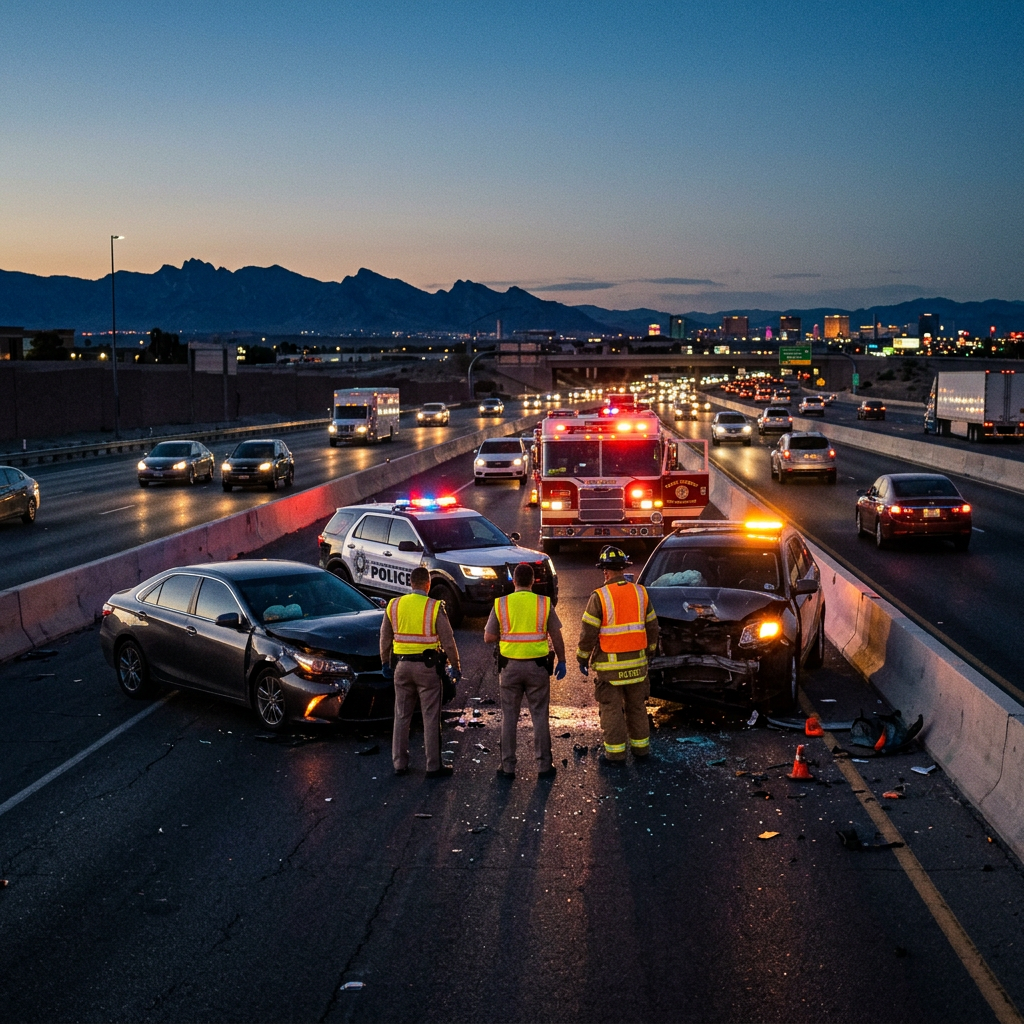
The immediate priority is preventing additional harm. Turn on hazard lights if possible, check for urgent dangers such as fire, leaking fuel, or traffic, and call 911 when someone may be injured, or the roadway is unsafe. If a damaged vehicle can be moved safely and lawfully, removing it from active traffic may reduce the risk of another collision.
Do not walk into moving traffic to inspect damage or confront another driver. Remain calm, assist others only when it is safe to do so, and wait for emergency personnel when a serious injury, suspected intoxication, hit-and-run, or dangerous road condition is involved.
Get Medical Attention Promptly
Adrenaline and shock can conceal pain after a crash. Headaches, dizziness, neck stiffness, back pain, numbness, abdominal pain, confusion, and sleep problems may emerge hours or days later. Seeking medical evaluation does not mean an injury is certain, but it creates an opportunity to identify problems early and follow appropriate treatment advice.
Symptoms That May Require Urgent Care
- Loss of consciousness, confusion, or repeated vomiting
- Chest pain, difficulty breathing, or severe abdominal pain
- Weakness, numbness, slurred speech, or balance problems
- Increasing pain in the neck, back, or head
Collect Important Information
When the scene is safe, exchange basic details without debating responsibility. Collect the other driver’s name, contact information, insurance details, license plate number, vehicle description, and license number. If witnesses saw the impact, request their names and phone numbers. Also note the responding police agency and any report or event number.
Photorealistic, candid, documentary-style photo of an injured driver standing safely beside a damaged car on a Las Vegas roadway while calmly exchanging insurance information with another driver, natural, imperfect daylight, emergency vehicles softly visible in the background, genuine in-the-moment lifestyle scene, no posed expressions, no text or logos.
For a hit-and-run, do not chase the departing vehicle. Call law enforcement and record the vehicle’s direction of travel, color, make, visible damage, and license plate number if it can be done safely.
Document Evidence Before It Disappears
Crash scenes change quickly. Take wide photos of the roadway, medium-range photos of vehicle positions, and close-up images of damage. Include traffic signals, signs, lane markings, debris, skid marks, weather conditions, nearby businesses, and visible cameras. Preserve damaged clothing, child seats, personal property, and vehicle parts when practical.
Write a factual account while the details remain clear. Include the time, location, traffic flow, weather, direction each vehicle traveled, and what occurred immediately before and after impact. Avoid filling gaps with estimates or assumptions.
Report the Crash Carefully
Notify the appropriate insurer promptly, but distinguish between reporting an event and accepting an insurer’s version of it. Provide accurate basic facts, save copies of emails and claim documents, and ask for the claim number and adjuster’s contact information. Before giving a recorded statement, understand what is being requested and keep the discussion limited to facts you know.
Nevada drivers may have reporting responsibilities after an uninvestigated collision involving injury, death, or qualifying property damage. The Nevada DMV explains the circumstances in which a traffic crash report must be filed, including the stated filing period and required supporting materials.
Keep Medical and Financial Records
A complete crash file should show more than the cost of vehicle repairs. Save emergency room and physician bills, treatment plans, prescriptions, therapy invoices, towing receipts, repair estimates, rental expenses, and insurance correspondence. Keep pay stubs, employer letters, and calendar entries that document missed work or reduced hours.
A simple daily journal can also be useful. Record pain levels, mobility limits, interrupted sleep, missed family activities, and other changes in daily functioning. Clear, dated notes are generally more useful than trying to recreate the impact of an injury months later.
Avoid Common Claim Mistakes
- Do not leave the scene unless safety or emergency medical needs require it.
- Do not argue, apologize, or speculate about who caused the collision.
- Do not post detailed crash discussions, photos, or opinions about injuries on social media.
- Do not repair, sell, or discard important damaged property before it is documented.
- Do not miss medical appointments without communicating with the provider.
- Do not sign a broad release simply to resolve a claim quickly.
Understand When Legal Representation May Help
Legal representation in Las Vegas may be especially helpful when a crash causes serious injuries, surgery, extended rehabilitation, missed work, or long-term limitations. It can also be valuable when fault is contested, multiple insurers are involved, a commercial driver may be responsible, or evidence such as surveillance footage and vehicle data could be lost.
An attorney can review insurance coverage, investigate the collision, organize evidence, assess settlement communications, and explain legal deadlines. Nevada law generally provides a two-year period for an action seeking damages for personal injury or wrongful death caused by another person’s wrongful act or neglect, although exceptions can apply. The current language of Nevada’s limitations statute should be reviewed alongside advice about the specific facts of a case.
Follow a Practical Timeline
During the First 24 Hours
- Seek emergency care when needed.
- Call law enforcement and notify the proper insurer.
- Photograph the scene, vehicles, injuries, and damaged property.
- Collect driver, witness, and report information.
- Save every receipt, report, photo, and message.
During the First 30 Days
- Attend follow-up medical appointments and follow treatment guidance.
- Track symptoms, expenses, and missed work.
- Request and review the police report when available.
- Confirm repair, towing, storage, and rental-car arrangements.
- Review settlement offers carefully before signing any release.
- Seek legal advice promptly if injuries, liability, or deadlines raise concerns.
Conclusion
After a serious Las Vegas crash, thoughtful action can protect both health and legal options. Put safety first, obtain appropriate medical care, preserve facts and records, and communicate carefully with insurers. When the consequences are substantial or the claim becomes complicated, informed legal representation can provide structure and clarity during a difficult process.
Discover more from The Cameron Journal
Subscribe to get the latest posts sent to your email.