
Image Credit: Unsplash
A commercial building starts communicating with visitors before they reach the front desk. Clean walkways, healthy landscaping and a well-kept entrance suggest attentive management, while neglected exterior areas can create doubts about what awaits inside.
Those impressions carry more weight as companies compete for tenants, customers and employees who expect workplaces to feel safe and professionally managed. Exterior property maintenance gives building owners a practical way to protect that perception and address small issues before they become expensive problems.
Curb Appeal in the Modern Workplace
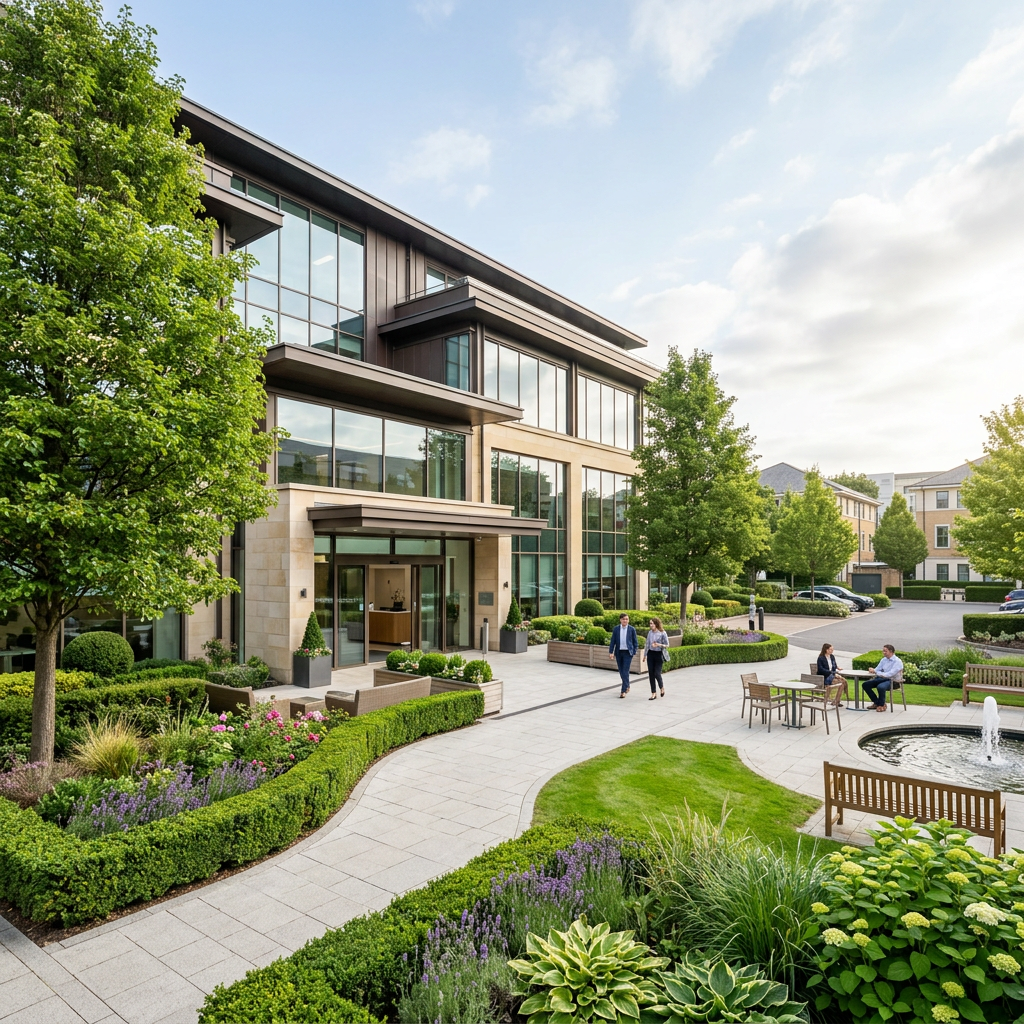
Employees and visitors often see the parking area, grounds and entrance first, and details such as clear paths, trimmed shrubs, and readable signs help people feel comfortable approaching the property, especially in a suburban coworking setting. The connection between business curb appeal and customer perception also makes exterior care part of a company’s wider brand presentation.
Modern expectations extend beyond appearance. Overgrown plants can obstruct signs, standing water can make walkways difficult to use, and poorly maintained irrigation may damage paved areas. Property managers should inspect entrances, accessible routes and gathering spaces from a visitor’s perspective. Photos taken from the street each month can reveal gradual deterioration that staff may stop noticing during their daily routines.
Direct Links to Tenant Retention
Tenants experience exterior conditions every workday, so recurring problems quickly affect their view of management. An overflowing planter, damaged hedge or icy entrance can generate repeated complaints even when the office itself performs well. Reliable upkeep shows that reported concerns receive attention.
Managers reviewing service options can begin with property maintenance explained, which covers practical considerations for commercial grounds care, seasonal cleanup and snow removal in Greater Vancouver. Elsewhere, the same principle applies: choose services that match local weather, plant growth and property use.
Keep a record of tenant requests and response times. If several occupants mention poor lighting around landscaping or blocked paths, schedule corrective work and tell them when it has been completed. Visible follow-through can strengthen trust before lease renewal discussions begin.
Core Practices Behind Exterior Management
Start with a written maintenance schedule that assigns frequency, responsibility and quality standards to each task. Weekly work might cover litter collection and walkway checks, while pruning, irrigation reviews and seasonal cleanup follow a monthly or quarterly cycle. After storms, heat waves or freezing conditions, add targeted inspections instead of waiting for the next scheduled visit.
A useful inspection should cover:
- Entrances, stairs and accessible paths
- Trees, hedges, lawns and garden beds
- Irrigation heads, drainage points and visible leaks
- Parking edges, signs and outdoor seating
- Seasonal risks such as fallen leaves, snow and ice
Record each issue with a dated photo and a target completion date. This simple process helps facility teams spot recurring trouble, verify contractor work and support future budget requests with clear evidence.
Translating Visual Standards Into Long-Term ROI
Exterior standards should be specific enough to measure. “Keep the grounds attractive” gives teams little direction. A useful standard might require litter-free entrances each morning, shrubs kept clear of signs and irrigation leaks addressed within one business day.
Consistent presentation can also influence how successful and stable a property appears. Design features matter, but stronger building impressions often depend on clean surfaces, coordinated materials and visible attention to detail. Maintenance preserves those qualities after the original construction work is complete.
Track spending alongside complaints, vacancy periods and emergency repairs. A scheduled irrigation check, for example, may prevent plant replacement and pavement damage. Early pruning can keep branches away from signs and walkways. These modest interventions protect the property’s appearance while reducing avoidable repair costs.
First impressions improve when standards become part of normal operations instead of a rushed response before a viewing or inspection. A monthly walk-through with photos, assigned follow-up dates and tenant feedback creates a useful record of what the property needs. Over time, that record turns curb appeal from a subjective preference into a manageable business asset.
Discover more from The Cameron Journal
Subscribe to get the latest posts sent to your email.