Business travel is undergoing a massive transformation worldwide. For decades, corporate trips were defined by rigid schedules, endless boardrooms, and frantic dashes to the airport. Today, the modern professional expects something completely different. This shift is especially visible across the Asia-Pacific region, where professionals are actively redesigning how they work on the road. Much like how the bleisure phenomenon is redefining corporate travel in Bangkok, visiting executives in Singapore are blending rigorous work commitments with much-needed personal time to combat burnout. The strict boundaries between work and life are dissolving in favor of a more holistic approach to travel. Companies are recognizing that supporting this lifestyle choice leads to higher employee retention and overall job satisfaction.
The Data Behind the Blended Travel Boom
The concept of mixing business with leisure is not just a passing phase. It has become a permanent fixture in global corporate culture. The broader Asia-Pacific business travel market is projected to hit hundreds of billions of dollars by the end of the year, and a significant portion of this involves extended stays. Human resources departments are increasingly factoring wellness into their travel budgets to ensure their top talent remains engaged.
Recent industry data reveals just how common this behavior has become among professionals. According to research from Navan citing the GBTA, 68 percent of corporate travelers now extend at least one trip per year, while 55 percent of business travelers took at least two blended trips recently. This represents a monumental shift from pre-pandemic travel norms.
This data proves that executives are no longer willing to sacrifice their well-being for the sake of a demanding itinerary. In fact, polling shows that the vast majority of modern travelers now intentionally build personal downtime into their professional schedules. They understand that peak performance requires adequate rest and cultural enrichment, prompting a major shift in how trips are planned and executed across multinational corporations.
Designing the Modern Corporate Itinerary in Singapore
As a premier global financial hub, Singapore attracts thousands of high-level professionals every week. The city was recently named the top meeting destination in the Asia-Pacific region for the twenty-third consecutive year, successfully hosting massive corporate gatherings and international fintech festivals. The city’s world-class infrastructure, from Changi Airport to the extensive MRT network, makes it an incredibly appealing place for professionals looking to minimize travel friction. However, the expectations for these corporate events have evolved significantly over the past few years.
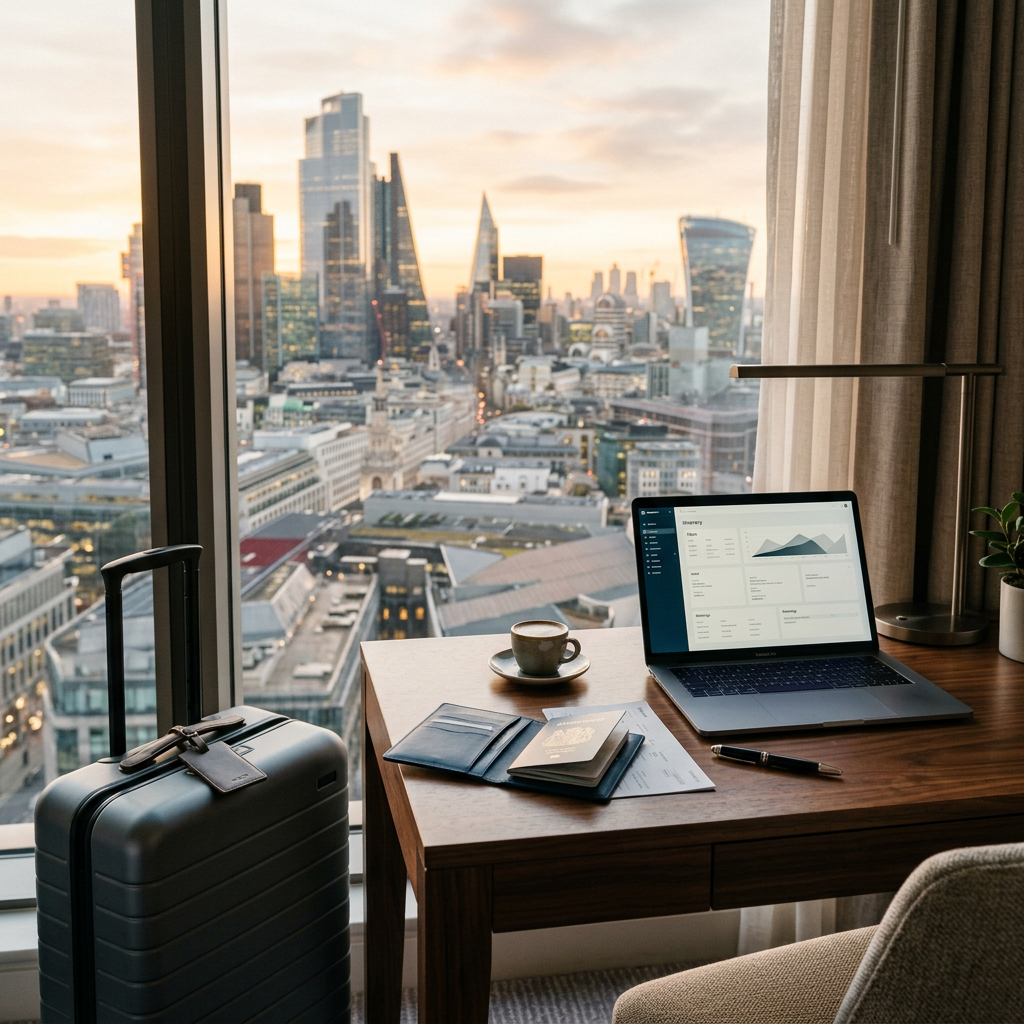
When organizers search for the ideal hotel meeting room Singapore has to offer, they are no longer just looking for a basic projector and a whiteboard. Modern professionals prioritize venues that seamlessly integrate high-tech commerce with local culture, wellness amenities, and transit connectivity. They want dynamic spaces that allow them to transition from a high-stakes morning negotiation to an afternoon of focused remote work without missing a beat. The demand for premium, experience-rich accommodations is steadily climbing to meet this new executive standard. Hotels that offer these comprehensive services are seeing higher booking rates for corporate events, as they provide everything a modern workforce needs under one roof.
Key Elements of the New Executive Trip
To combat the chronic pressure of corporate travel, executives are adopting new strategies to make their trips more sustainable. Nearly half of frequent business travelers report struggling with travel-induced stress, a figure that jumps even higher for top-tier executives who travel constantly. To counter this burnout, they are seeking specific upgrades to their travel experience.
Here are the primary ways executives are reimagining their time on the road:
- Prioritizing Restorative Amenities: High-income professionals now look for optimized sleep programs, advanced fitness facilities, and premium nutrition options at their chosen accommodations.
- Building Buffer Days: Instead of flying out immediately after a conference concludes, travelers are adding two or three days to their itinerary to explore the local culture, visit heritage sites, and thoroughly decompress.
- Embracing Remote Work Flexibility: Executives are utilizing comfortable lounges and well-equipped cafes to handle emails and virtual calls, stepping away from traditional, windowless office environments.
- Focusing on Authentic Experiences: Rather than staying confined to a convention center, visitors are taking time to explore cultural landmarks, sample world-class street food at local hawker centers, and engage with the local community.
The Future of Global Business Travel
The days of the exhausting, purely transactional business trip are fading fast. Destinations that understand the need for balance are thriving, and Singapore stands at the forefront of this movement. By supporting environments that cater to both intense productivity and meaningful recovery, the city is setting a new standard for the wider hospitality industry. This shift is encouraging other major cities to reevaluate their own tourism and corporate infrastructure.
As corporate travel continues to grow and evolve, this balanced approach will ensure that executives can perform at their very best. They can deliver results for their companies without sacrificing their mental and physical health, proving once and for all that business and leisure can exist in perfect harmony.
Discover more from The Cameron Journal
Subscribe to get the latest posts sent to your email.