
For people across Central Texas, losing a tooth can create an odd kind of uncertainty. The immediate problem is obvious, but the next decision often is not. Should the space be replaced quickly? Can it wait? Does the location of the missing tooth matter? And how much does the health of the surrounding mouth influence the choices available later?
Tooth replacement is easier to understand when it is viewed as a timeline rather than a single procedure. Teeth, gums, bone, bite forces, and daily cleaning habits all interact. What happens during the months or years after tooth loss can therefore influence future treatment. Understanding those changes helps patients have more useful conversations with dental professionals and make decisions based on oral health rather than appearance alone.
Start With the Reason the Tooth Was Lost
Before choosing a replacement, it helps to understand why the tooth was lost. Decay, gum disease, trauma, fracture, and failed previous dental work can leave very different conditions behind. The health of the gums and jawbone matters because a replacement has to function within the environment that remains.
This becomes particularly important when a case requires more involved evaluation or treatment. Optima Dental Surgery serves a 150-mile radius, including patients who travel from different parts of Central Texas for complex implant and full-arch cases. Distance can become one practical consideration alongside imaging, surgical needs, follow-up care, and the complexity of the individual case.
A consultation should therefore begin with diagnosis, not with choosing a replacement from a menu.
Understand What Changes After a Tooth Is Gone
A missing tooth leaves more than an empty space. The bone that once supported the tooth no longer receives stimulation in exactly the same way, and changes can occur over time. Neighboring teeth may also shift, depending on the location of the gap and the rest of the bite.
None of this means every missing tooth produces the same sequence of problems. The rate and significance of change vary between individuals.
It does mean that postponing a replacement decision is still a decision worth discussing with a dentist. Even when treatment will not happen immediately, an examination can establish current conditions and clarify whether waiting could make a preferred future option more complicated.
Compare Replacements by How They Use the Mouth
Bridges, removable dentures, and dental implants replace missing teeth in different ways. Looking only at the visible tooth can hide those differences.
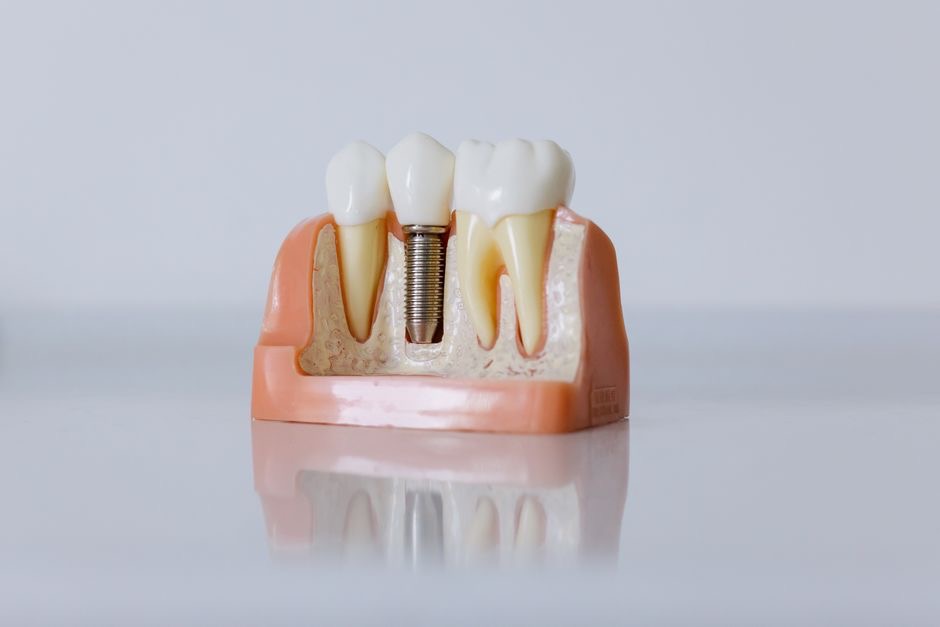
A conventional bridge typically uses neighboring teeth for support. A removable partial denture may replace several teeth and can be taken out for cleaning. An implant-supported restoration uses an implant placed in the jaw as the foundation for the replacement tooth or teeth.
The appropriate choice depends on factors such as the number and location of missing teeth, oral health, bone availability, medical history, budget, and personal preferences. There is no single replacement that is automatically appropriate for every gap.
Understanding how each option receives support makes comparisons much more meaningful than focusing on appearance alone.
Treat Gum Health as Part of the Replacement Plan
Replacement teeth do not make gum health less important. In fact, healthy surrounding tissues are an essential part of long-term oral care.
People considering tooth replacement should pay attention to bleeding, swelling, persistent tenderness, or other changes around the gums and discuss concerns with a dental professional. A history of periodontal disease is particularly important information to share during an implant evaluation because it may affect treatment planning.
Daily plaque control remains important after replacement as well. The cleaning technique may differ depending on whether someone has an implant, bridge, or removable prosthesis.
Instead of thinking of replacement as finishing the problem, think of it as beginning a new maintenance routine.
Ask What Imaging Reveals Before Making Assumptions
Two people can have similar-looking gaps but very different conditions below the gumline. That is one reason visual appearance alone cannot determine whether an implant or another treatment is straightforward.
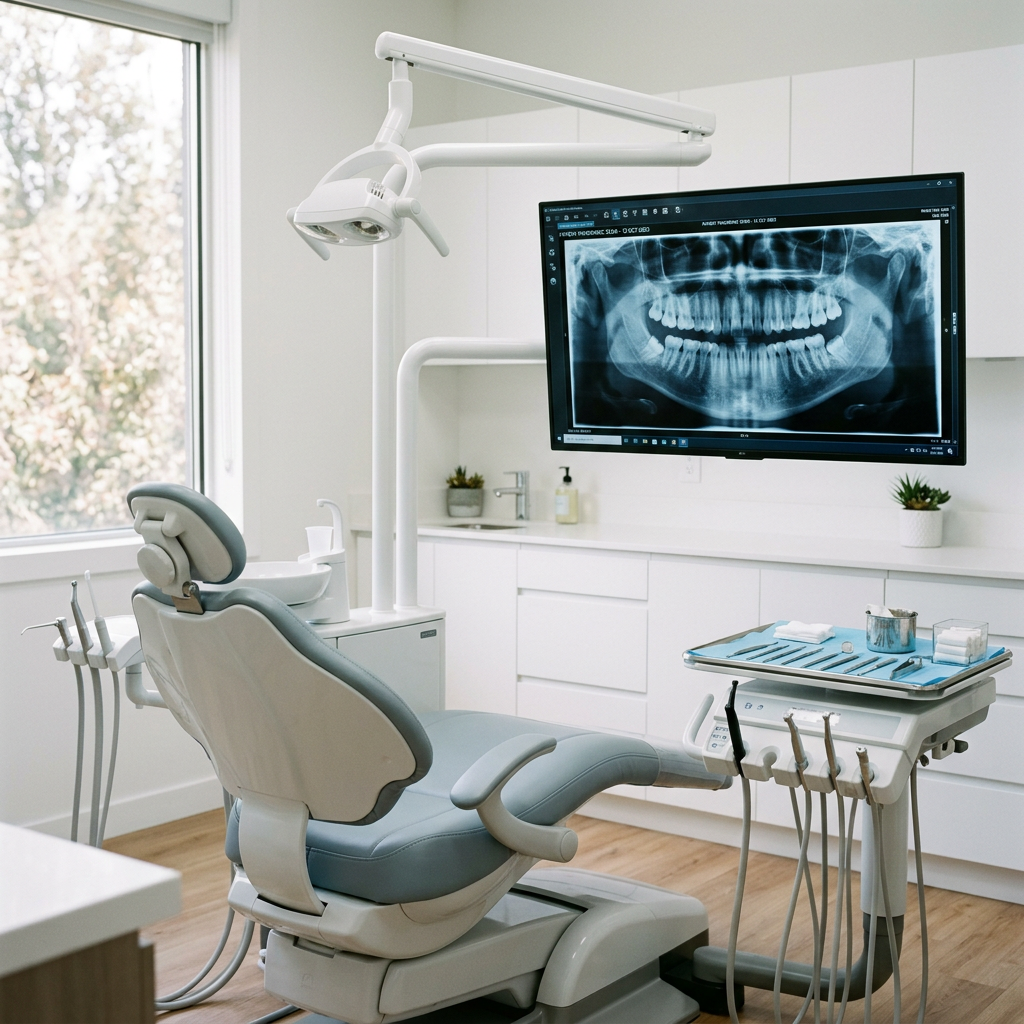
Dental imaging can help clinicians evaluate bone and nearby anatomy. More advanced imaging may be used when a detailed three-dimensional view is needed for planning.
This information can reveal why one patient’s treatment may be relatively simple while another requires additional steps. Previous tooth loss, bone changes, earlier implant problems, and other oral conditions can all affect the plan.
Patients should ask what the imaging shows in their particular case and how those findings influence the recommended treatment rather than assuming that another person’s experience will predict their own.
Plan for the Visits After the Main Procedure
Tooth replacement is rarely just one appointment followed by permanent freedom from dental care. Different treatments have different timelines, and implants in particular can involve evaluation, treatment, healing, restoration, and long-term maintenance.
Ask how many visits are anticipated, which appointments must occur at the treating office, and what routine care can continue with a general dentist. This is especially useful for Central Texas patients considering a provider some distance from home.
Also ask what should happen if a concern develops between scheduled appointments. Knowing whom to contact and which symptoms require prompt attention removes uncertainty during recovery.
Travel logistics are not more important than clinical considerations, but they belong in the planning conversation.
Protect the Teeth You Still Have
A missing tooth naturally attracts attention, yet the remaining teeth deserve equal consideration. Replacing one tooth while ignoring active decay, gum disease, grinding, or inconsistent hygiene can leave the broader oral-health picture unresolved.
Use the replacement process as an opportunity for a more complete review. Ask whether surrounding teeth and gums are healthy, whether home-care techniques need adjustment, and how the proposed restoration will be cleaned.
Regular dental examinations remain important after treatment. Depending on individual risk and the type of restoration, a dentist may recommend a particular maintenance schedule.
The goal should be bigger than filling a space. It should be creating an oral environment in which the replacement and the remaining natural teeth can be cared for effectively.
Think in Decades, Not Just Until the Gap Disappears
The most useful tooth-replacement question may be: what will caring for this choice look like years from now?
Consider cleaning requirements, professional maintenance, possible repairs, lifestyle, and how future changes in oral health could affect the restoration. Ask what is known about the expected maintenance of each option and what factors could shorten or extend its useful life.
For younger patients especially, long-term thinking matters because dental needs may evolve considerably over a lifetime. Older adults may have different priorities involving dexterity, medical conditions, comfort, or ease of cleaning.
A missing tooth can feel like a small, isolated event, but its replacement sits within a much larger system. Bone, gums, neighboring teeth, bite forces, hygiene, medical history, and time all shape what comes next.
That is why the best first step is not deciding which replacement sounds most advanced. It is understanding the condition of the mouth today and how that condition may change. With a clear diagnosis and a realistic view of maintenance, patients can discuss tooth replacement as part of long-term oral health rather than simply a way to make an empty space disappear.
Discover more from The Cameron Journal
Subscribe to get the latest posts sent to your email.




