
Image credit: Unsplash
Crime dramas turn legal defence into a contest of surprise witnesses, devastating cross-examinations and last-minute confessions. Real cases rarely follow that rhythm. Much of the decisive work happens quietly through reviewing evidence, checking procedure and giving clear advice long before anyone enters a courtroom. Understanding that difference matters because fictional expectations can affect how people respond when they face an allegation or become involved in a case.
The Dramatic Courtroom Trope
Television condenses weeks or months of legal work into a tightly edited hour. The familiar law procedural relies on sudden revelations because careful document review doesn’t make gripping television. Lawyers appear to discover decisive evidence halfway through a hearing, whilst witnesses regularly abandon their earlier accounts under pressure.
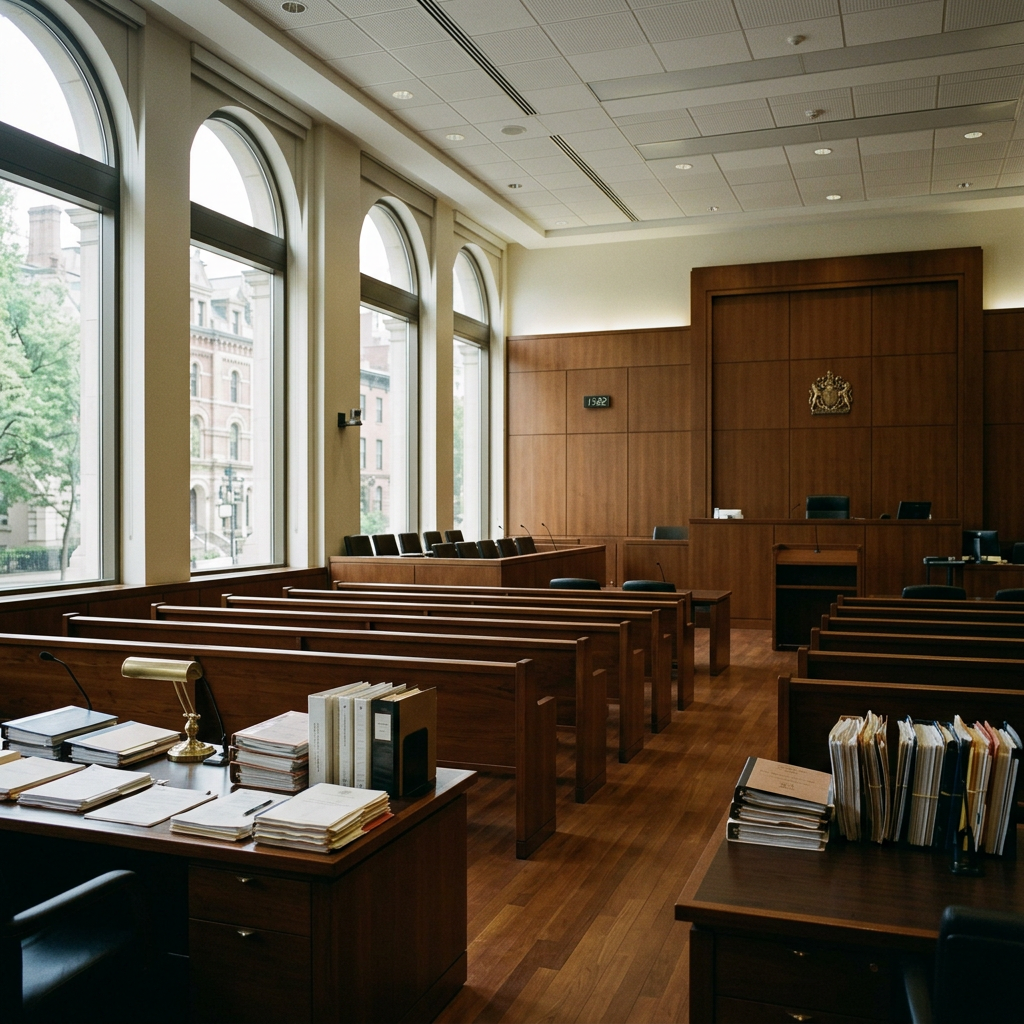
Actual courts use rules designed to limit such surprises. Evidence usually passes through formal disclosure processes, and both sides have time to examine relevant material. A lawyer may challenge a witness firmly, but aggressive questioning can confuse the issues or weaken an argument. Preparation, accuracy and a clear understanding of admissible evidence carry far more weight than theatrical delivery.
Procedural Realities in Practice
Legal defence starts with details. A solicitor needs an accurate account of what happened, copies of available documents and enough time to compare the allegation with the relevant legislation. They may also review interview records, examine how evidence was obtained and identify inconsistencies between statements.
Early advice becomes especially valuable when an allegation involves technical legal definitions. For example, a person seeking guidance about firearm offences may need help understanding classification, licensing questions and the specific charge before deciding how to respond.
If you’re accused of an offence, preserve messages and paperwork, write down a factual timeline and avoid discussing the case publicly. A social media post can create complications that no dramatic courtroom speech can easily undo.
Facing Serious Statutory Allegations
Serious allegations often depend on statutory wording that television scripts gloss over. Everyday meanings may differ from legal definitions, whilst issues such as possession, knowledge, authority and intent can each require separate analysis. Two cases that sound similar in a news report may therefore produce different outcomes because the evidence or applicable provision differs.
A defence lawyer will usually test what the prosecution must prove, where each piece of evidence came from and whether required procedures were followed. This methodical process may lead to discussions about charges, contested facts or the appropriate hearing pathway.
Avoid treating an arrest, charge and conviction as interchangeable events. They represent distinct stages. The presumption of innocence remains central, and legal commentary should reflect that distinction when discussing a live case.
Separating Fiction From Fact
View legal drama as storytelling, not practical instruction. Useful analysis of legal tropes shows why screen conventions can distort public expectations about evidence, professional conduct and the speed of proceedings. Court schedules, disclosure obligations and procedural applications rarely fit a television timetable.
The same caution applies to news and social media. Short reports may omit disputed facts or quote only one side. For a broader look at that problem, this discussion of media portrayals of justice explains how fictional patterns can influence perceptions of real cases.
When accuracy matters, check the jurisdiction, distinguish allegations from findings and rely on qualified advice about the specific circumstances. Real legal defence is built through disciplined preparation, not a perfectly timed revelation before the credits roll.
Discover more from The Cameron Journal
Subscribe to get the latest posts sent to your email.