Image Credit: Unsplash
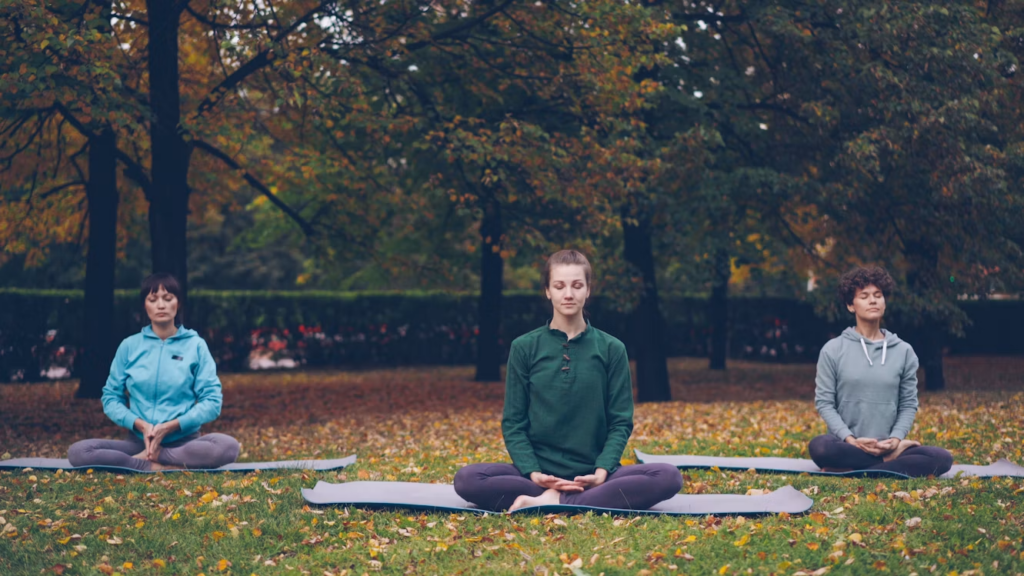
When you hear wellness, what pops into your head? For lots of us, it’s a familiar slideshow of green smoothies, sunrise yoga, and pricey gym memberships. And sure, those can definitely be part of a healthy life, but how we think about well-being these days is stretching way beyond those typical images. It’s becoming more about you, more flexible, and thankfully, a lot more realistic.
Chasing wellness isn’t about sticking to a rigid rulebook anymore. Instead, it’s about gathering up practices, mindsets, and habits that genuinely work for your specific needs. This shift is opening the door to all sorts of approaches, some of which might not look like traditional wellness at all. It’s really about figuring out what recharges your batteries, calms your mind, and brings a sense of balance to your unique life, even if it’s a bit unconventional.
Redefining What Wellness Means
For a long time, wellness pretty much just meant physical health: what you ate and how much you moved. But today, that definition is getting much broader, painting a richer picture of what it means to feel good. This new way of thinking understands that you can’t truly feel well if you’re neglecting your mental, social, or emotional health, no matter how squeaky clean your diet is. So, this bigger view now includes a few key areas.
Mental and emotional well-being are now front and center. This means learning to handle stress, building resilience, and trying to keep a positive outlook. Social well-being is another huge piece, highlighting how important connections, community, and feeling like you belong are. Even financial well-being is part of the chat, since money worries can really mess with your overall health.
The Global Wellness Summit suggests we’re heading towards a future where wellness is woven into every part of our lives, from our homes to our neighborhoods. Discussions around personalized nutrition, such as https://www.cameronjournal.com/gut-health-and-beyond-the-role-of-personalized-nutrition-in-wellness/, reflect this shift toward more tailored approaches to health. The wider trends outlined at https://globalwellnessinstitute.org/press-room/press-releases/global-wellness-summit-releases-10-wellness-trends-for-2026/ also show a clear move away from isolated activities and toward a more integrated lifestyle. The goal isn’t to achieve some perfect state of health, but to build a supportive ecosystem for your life that helps you ride out the ups and downs.
Mindfulness in Daily Routines
The idea of mindfulness isn’t new, but how we’re using it is becoming much more practical and less intimidating. You don’t need to commit to an hour of silent meditation every single day to feel the benefits. The latest trend is about tucking tiny moments of mindfulness into the routines you already have. This approach, sometimes called “micro-dosing mindfulness,” makes it doable for even the busiest people.
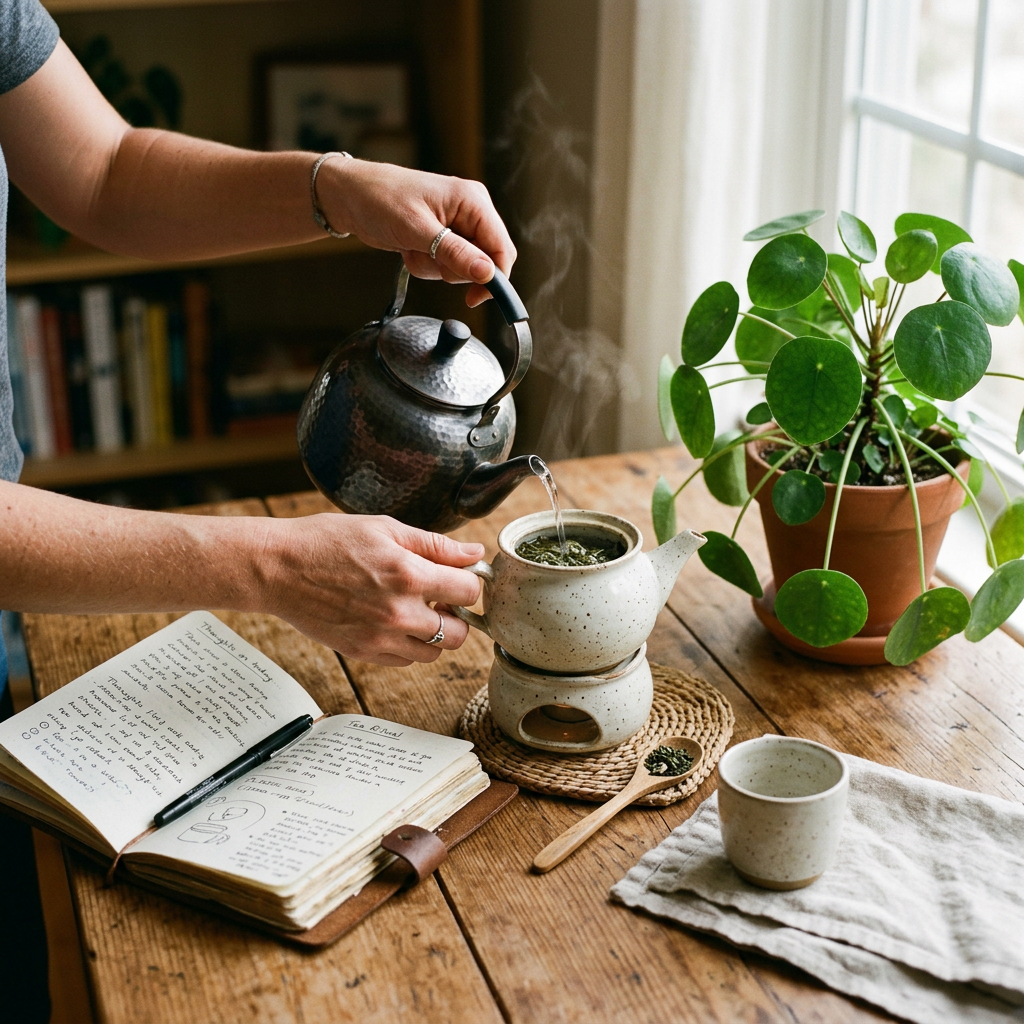
Think about your morning coffee. Instead of scrolling through your phone while it brews, you could just focus on the process: the sound of the machine, the smell of the beans, the warmth of the mug in your hands. This simple act of paying attention turns an everyday task into a little moment of calm. Here are a few other ideas:
- Mindful Walking: Next time you go for a walk, try leaving your headphones at home. Notice how your feet feel on the ground, the temperature of the air, and the sounds around you.
- Single-Tasking: Instead of juggling a bunch of things at once, give your full attention to just one thing. When you’re eating lunch, just eat lunch. When you’re chatting with a friend, put your phone away and really listen.
- A Five-Minute Reset: If you feel overwhelmed, step away from your screen for five minutes. You could stretch, look out a window, or just sit and breathe.
These small changes don’t add extra time to your schedule, but they can really make a difference in your stress levels and how present you feel. Research on evidence-based wellness trends, such as https://www.news-medical.net/health/How-Millennials-and-Gen-Z-Are-Driving-Evidence-Based-Wellness-Trends.aspx, also shows that people are looking for practices that are effective, realistic, and easy to maintain in a busy life.
Exploring Adult Lifestyle Choices
As we get smarter about wellness, we also accept that it looks different for everyone. Being an adult means juggling responsibilities, personal goals, and needing some downtime. A mature approach to well-being involves making thoughtful choices about how you relax and handle stress, understanding that there’s no single right way to do it. It’s about having the freedom to choose and making informed decisions that fit your own life and values.
For some, this means finding quiet time for a personal ritual that helps them switch from a hectic workday to a relaxing evening. This could be anything from gardening or reading a book to enjoying a specific drink on the porch. The main thing is the intention behind it, it’s a deliberate choice to create a moment of separation and peace. This also applies to how people find products for their personal routines, often looking for convenience and a wide range of choices from online stores.
For instance, those in Canada looking for certain lifestyle products might find a direct source like https://canadasmokeshop.is/ that offers many options from one place. Being able to make these choices for yourself, without feeling judged, is a key part of modern wellness. It acknowledges that you’re the expert on your own life.
Sustainable Habits for Well-being
The wellness industry has sometimes pushed intense, all-or-nothing approaches that just lead to burnout. The New Year’s resolution effect is a perfect example: we go all out for a few weeks, then slide back into old habits. A more sustainable and effective way is to focus on building small, consistent habits that you can actually keep up with for the long haul.
One of the most powerful tricks for this is habit stacking. This means connecting a new habit you want to start with one you already do. For example, if you want to stretch more, you could decide to stretch for five minutes right after you brush your teeth in the morning. Since brushing your teeth is already a solid habit, it acts as a reliable cue for the new one. This focus on personalization and prevention is a big change, moving away from only dealing with health issues when they pop up and towards taking proactive, daily care.
Another secret to making things last is choosing consistency over intensity. A 15-minute walk every single day is much better in the long run than a brutal two-hour hike you only manage once a month. The same idea applies to what you eat, practicing mindfulness, and other wellness habits. By making it easier to start, you make it easier to show up for yourself every day.
Building lasting wellness is about making progress, not aiming for perfection. It’s about listening to yourself and being kind on the days when things don’t quite go as planned.
The most important thing to remember is that wellness is your own personal journey, not a competition. It’s about tuning into your body and mind and finding that unique mix of practices that helps you feel your absolute best.
Discover more from The Cameron Journal
Subscribe to get the latest posts sent to your email.