Key Takeaways
- Forklift safety depends on trained operators, maintained equipment, and clear workplace rules.
- Training must include formal instruction, practical exercises, and an evaluation of workplace performance.
- Operators should inspect forklifts before use, or after each shift when trucks operate continuously.
- Near misses, unsafe operation, new equipment, and workplace changes can trigger refresher training.
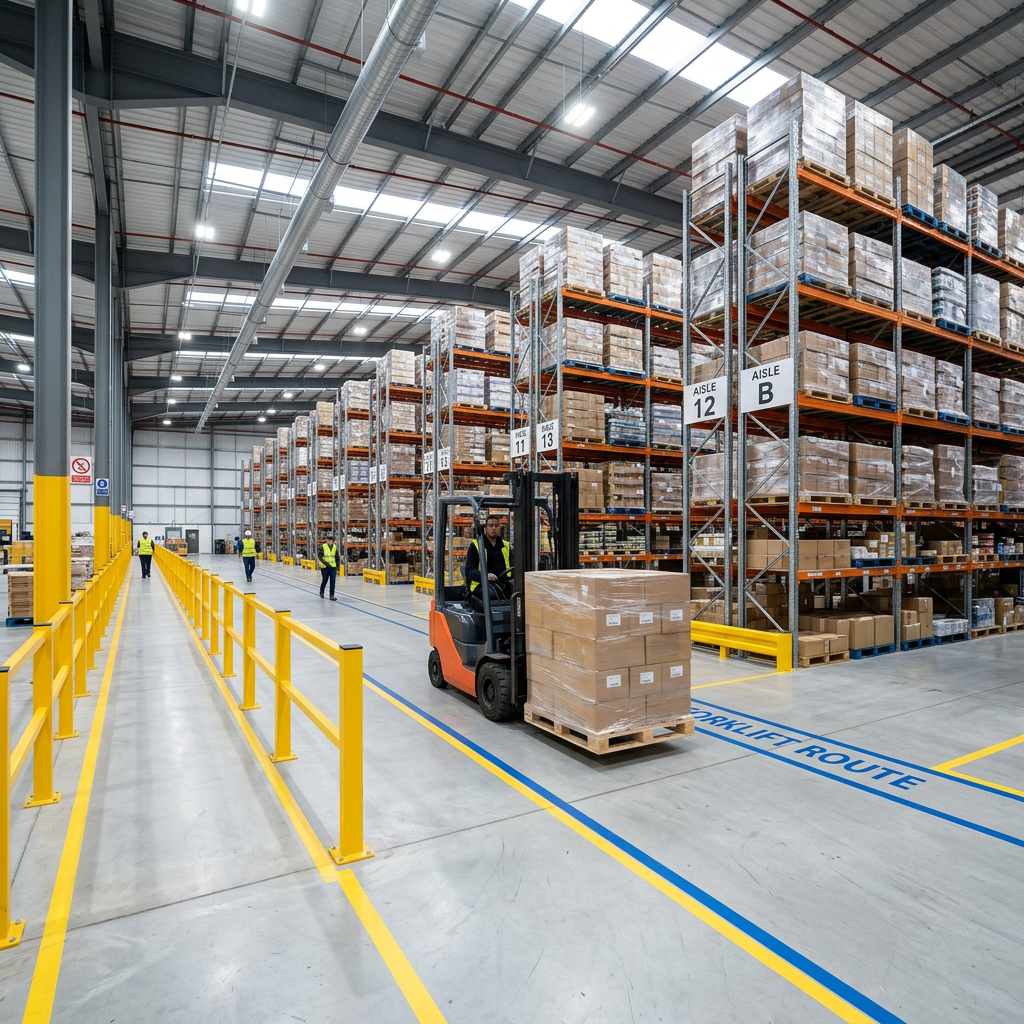
- Pedestrian separation, stable loads, and clear travel routes are essential in busy facilities.
Forklift safety is not a one-time task completed when an operator receives a card or certificate. A dependable program combines training, daily checks, equipment maintenance, traffic control, and supervisor follow-up. Employers that need structured help with forklift OSHA certification renewal can contact USA Forklift Certification, a Southern California provider of onsite forklift instruction, certification support, renewal assistance, and Train-the-Trainer programs designed around real workplace conditions.
In a warehouse, distribution center, loading dock, or manufacturing facility, small problems can quickly create larger risks. A blocked aisle, a leaking forklift, an unstable pallet, a damaged dock plate, or a rushed operator may disrupt operations and put workers in danger. Building a repeatable safety process helps teams identify these issues before a shift becomes an incident.
Why Forklift Safety Needs More Than a Certificate
A certificate alone does not show that someone can safely operate every truck, attachment, load, or facility layout. Operators need instruction on the specific equipment they use, hands-on practice, and an evaluation while performing typical work tasks. OSHA’s powered industrial truck training requirements state that training must address both truck-related topics and workplace hazards.
That means a skilled operator may still need additional training before using a different type of truck, working around new storage racks, handling unusual loads, or traveling through a redesigned dock area. Safe performance also depends on supervision, maintenance, communication, and sensible traffic rules.
The Five-Part Forklift Safety Check
1. Confirm Operator Training
Start by confirming that the operator is authorized for the truck being used. Training should cover controls, steering, braking, capacity, stability, attachments, visibility, and operating limits. It should also cover site-specific hazards such as ramps, narrow aisles, pedestrian crossings, dock edges, trailers, and congested work zones.
Trainees should operate only under direct supervision and only in conditions where their work does not place other employees at risk. Before an operator works independently, a qualified person should observe typical tasks such as picking up a load, traveling, turning, stacking, and parking.
2. Inspect the Forklift Before Use
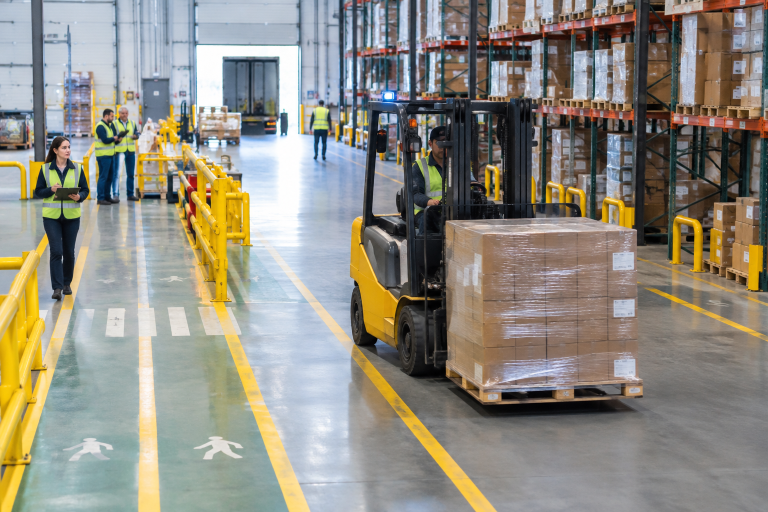
A short pre-use inspection can catch defects before the truck enters service. The exact checklist should match the forklift type and the employer’s procedure, but common items include:
- Forks, mast, chains, carriage, and load backrest.
- Brakes, steering, horn, lights, alarms, and gauges.
- Tires, wheels, visible fluid leaks, and battery condition.
- Seat belt or other operator restraint system.
- Propane connections, fuel systems, or charging components when applicable.
If a safety-related defect is found, the forklift should be removed from service, clearly identified, and repaired by an authorized qualified person before it returns to work. Continuing to use a truck with faulty brakes, steering problems, damaged forks, or a missing restraint system creates an unnecessary risk.
3. Review the Work Area
Operators and supervisors should look beyond the truck itself. Check for blocked aisles, spills, uneven floors, damaged rack components, poor lighting, overhead obstructions, and temporary work areas. Changes from the previous shift matter, especially when inventory has been moved, construction is underway, or a shipping rush has increased pedestrian activity.
Pay close attention to blind corners, intersections, trailer entrances, dock plates, and areas where people and forklifts share the same path. Marked walkways, physical barriers, mirrors, warning signs, and controlled crossings can help reduce conflicts. Broader machine-safety control principles also support the idea that hazards should be addressed through workplace design and clear operating procedures, not only through worker reminders.
4. Check the Load and Travel Plan
Before moving, confirm that the load is centered, stable, and secured when necessary, and that it is within the truck’s rated capacity. Attachments can change capacity and stability, so operators should follow the truck’s data plate and applicable instructions. Keep the load low while traveling, slow down before turns, and avoid abrupt movements that may shift the load or reduce stability.
For example, an operator moving a tall pallet toward a crowded dock may choose a slightly longer route with better visibility rather than cutting through a blind intersection. That extra time is usually a better choice than entering a congested area without a clear view of pedestrians or other equipment.
5. Record Problems and Correct Them
Verbal reminders may resolve a one-time issue, but recurring hazards require documentation and corrective action. Keep simple records for inspections, repairs, near misses, training, and supervisor reviews. Patterns in those records can reveal a recurring blind corner, a poorly lit aisle, frequent equipment faults, or a layout that encourages unsafe shortcuts.
Workers should be able to report defects and near misses without fear of blame or retaliation. A near miss is useful information when it leads to a safer route, better signage, maintenance repair, or targeted refresher training.
When Refresher Training Is Needed
Refresher training may be needed when an operator is observed working unsafely, is involved in an accident or near miss, receives an evaluation showing unsafe performance, begins using a different truck type, or faces a workplace change that affects safe operation. Operator performance must also be evaluated at least once every three years. That interval is a minimum review point, not a reason to wait when a new problem appears.
Building Better Pedestrian Controls
Forklifts and pedestrians require deliberate separation wherever possible. Establish designated walkways, use barriers around high-traffic areas, mark crossings, and limit access to loading zones during active truck movement. At shared intersections, operators should slow down, sound the horn when appropriate, and maintain a clear view. Pedestrians should not assume an operator has seen them, even after making eye contact.
Supervisors should review traffic plans during shift changes, peak shipping periods, seasonal volume increases, and facility rearrangements. A traffic plan that works during a quiet shift may not work when staging areas, temporary labor, and delivery activity increase.
How Employers Can Track Safety Without Paperwork Overload
- Maintain one current list of authorized operators and the truck types each person may use.
- Use a brief inspection form that matches each forklift’s equipment and fuel type.
- Clearly tag unsafe trucks and record completed repairs.
- Review near misses during routine safety meetings.
- Schedule refresher training when performance, equipment, or conditions change.
- Revisit the traffic plan after layout changes or increased pedestrian activity.
Common Forklift Safety Questions
How Often Should a Forklift Be Inspected?
Inspect the forklift before use. When trucks are used around the clock, inspections should occur after each shift so the next operator receives equipment that has been checked.
Does Online Training Alone Meet Every Workplace Need?
No. Online or classroom instruction can support learning, but it does not replace practical training and workplace evaluation on the actual truck and in the actual work environment.
What Should a Supervisor Do After a Near Miss?
Secure the area, check for injuries and damage, document what happened, review equipment and traffic conditions, and determine whether corrective action or refresher training is needed before normal work continues.
A Simple Forklift Safety Checklist
- Is the operator trained and authorized for this truck?
- Was the pre-use inspection completed?
- Are the forks, tires, brakes, steering, alarms, and restraints working?
- Is the load stable and within capacity?
- Are aisles, ramps, docks, and intersections clear?
- Are pedestrians separated from forklift traffic where possible?
- Have reported defects, near misses, and training needs been documented and addressed?
Conclusion
Safer forklift operations come from small actions repeated every shift. Training starts the process, but inspections, stable loads, clear travel routes, maintained equipment, active supervision, and honest reporting keep it effective. When forklift safety becomes part of everyday operations, facilities can protect workers while keeping materials and orders moving.
Discover more from The Cameron Journal
Subscribe to get the latest posts sent to your email.