Bangkok is a city that never pauses. For international executives flying into Thailand’s commercial capital, the pace is exhilarating but undeniably draining. The constant hum of traffic, back-to-back meetings, and the sheer density of the metropolis often lead to severe urban fatigue. While securing a quiet neighbourhood for a bleisure trip in Bangkok is a crucial first step for daily recovery, many professionals are realising that true restoration requires a complete change of scenery. The tropical heat combined with intense networking events can leave even the most seasoned corporate traveller exhausted. This is driving a massive shift towards secondary wellness travel, a trend where professionals actively seek restorative, nature-based experiences alongside their standard business trips to completely reset their focus.
The Psychological Toll of the Concrete Jungle
Corporate travel is no longer viewed through a strictly transactional, time-is-money lens. According to recent data from the Global Business Travel Association, 84% of corporate travellers state that the quality of their travel experience directly impacts their overall job performance upon returning to the office. Navigating crowded transport networks and engaging in high-stakes negotiations consistently elevates cortisol levels. This makes cognitive recovery absolutely essential for long-term career sustainability and mental sharpness. In fact, industry data indicates that 89% of business travellers now express a strong desire to extend their work trips to include dedicated leisure time, shifting away from the traditional model of flying out the minute a conference ends.
One of the most effective ways to combat this corporate burnout is by seeking out coastal environments. Research highlighted by the UW School of Marine and Environmental Affairs confirms that spending time near blue spaces has a positive impact on mental health, actively lowering stress levels and supporting individuals in managing exhaustion. The ambient sound of water and the visual expanse of the ocean provide sensory breaks that a bustling city centre simply cannot offer. These natural elements help regulate the nervous system, allowing executives to process complex information and make better decisions.
Transitioning from Boardroom to Beachfront
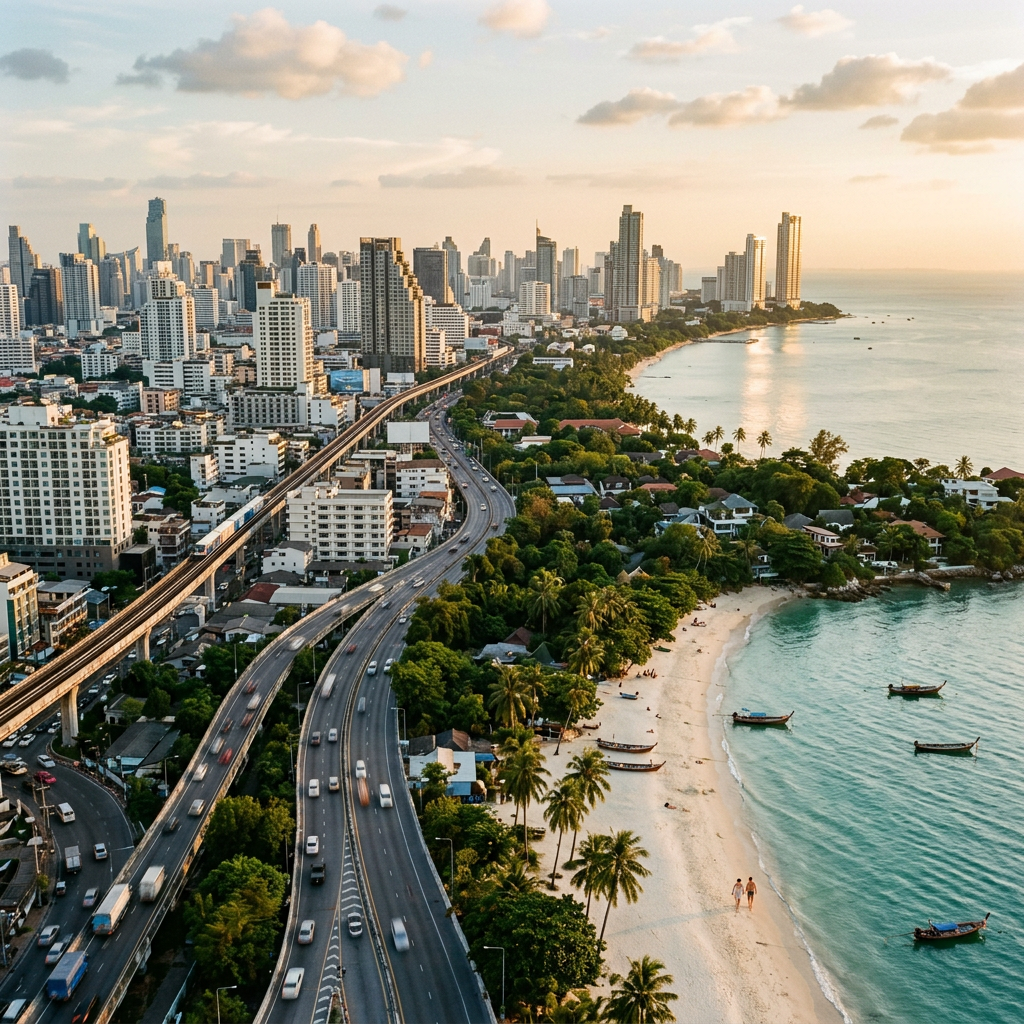
Fortunately, Thailand’s infrastructure is evolving to support this exact need. With heavy investments in the Eastern Economic Corridor, the motorway networks connecting Bangkok to the eastern coastal provinces have never been more efficient. Weary professionals can easily transition from the intense urban noise of central Bangkok to the ocean in roughly two to three hours by private transfer. This ease of movement means you can quickly escape the metropolis and check into a Pattaya luxury hotel to begin your recovery without wasting another day navigating crowded airports.
By booking a few nights on the eastern seaboard, executives can swap concrete views for private tropical gardens and serene ocean vistas. This coastal environment provides the ultimate sanctuary for professionals to decompress, enjoy world-class hospitality, and recharge their batteries before boarding a long-haul flight home. It is a vital buffer zone between the demands of a high-pressure board meeting and the eventual return to domestic corporate life.
Essential Elements of a Restorative Bleisure Extension
When planning a post-meeting coastal retreat, it is important to select an environment that supports both deep relaxation and any lingering work obligations. Current industry reports show that 43% of global corporate travel programmes now include defined bleisure policies, acknowledging that employees need specific amenities to thrive on the road. The most successful stays blend seamless connectivity with genuine peace.
Consider these essential elements when upgrading your travel itinerary to maximise your recovery:
- Targeted Wellness Programmes: Look for properties that offer premium spa facilities. Retreats featuring signature treatments, such as therapies combining traditional Thai massage techniques with aromatherapy, provide deep physical and cognitive restoration after a grueling week of networking.
- Exclusive Executive Amenities: The reality of modern business is that professionals rarely disconnect entirely. Access to an executive club lounge with a private boardroom, outdoor terrace seating, and dedicated concierge support allows you to manage light administrative duties without sacrificing your peace of mind.
- Restorative Blue Spaces: The physical layout of a property matters immensely. Establishments designed around lagoon-style swimming pools and open coastal views naturally lower heart rates and encourage mental clarity.
- Frictionless Transport Logistics: The journey to your retreat should not add to your stress. Proximity to well-maintained motorways, as well as future infrastructure like the High-Speed Rail Linking Three Airports Project, ensures that your transition from work mode to relaxation remains smooth and predictable.
A Strategic Investment in Well-being
The global business travel landscape is undergoing a permanent structural shift. Fortune Business Insights estimates that the global bleisure market will reach an impressive 2.21 trillion dollars by 2034. As Thailand prepares to host major wellness events and further develop its hospitality sector, it is clear that corporate professionals are prioritising their well-being more than ever. Wellness is no longer an afterthought; it is a core component of modern travel policies.
Data released by the Global Wellness Institute reveals that Thailand’s wellness tourism market has expanded drastically, proving that executives are eager for healthy, restorative experiences. Trading urban fatigue for coastal serenity is no longer just an indulgent luxury. It is a vital, evidence-based strategy for maintaining peak performance and achieving a sustainable work-life balance on the road. By intentionally creating space for recovery, professionals can ensure they return home not just accomplished, but genuinely refreshed.
Discover more from The Cameron Journal
Subscribe to get the latest posts sent to your email.