
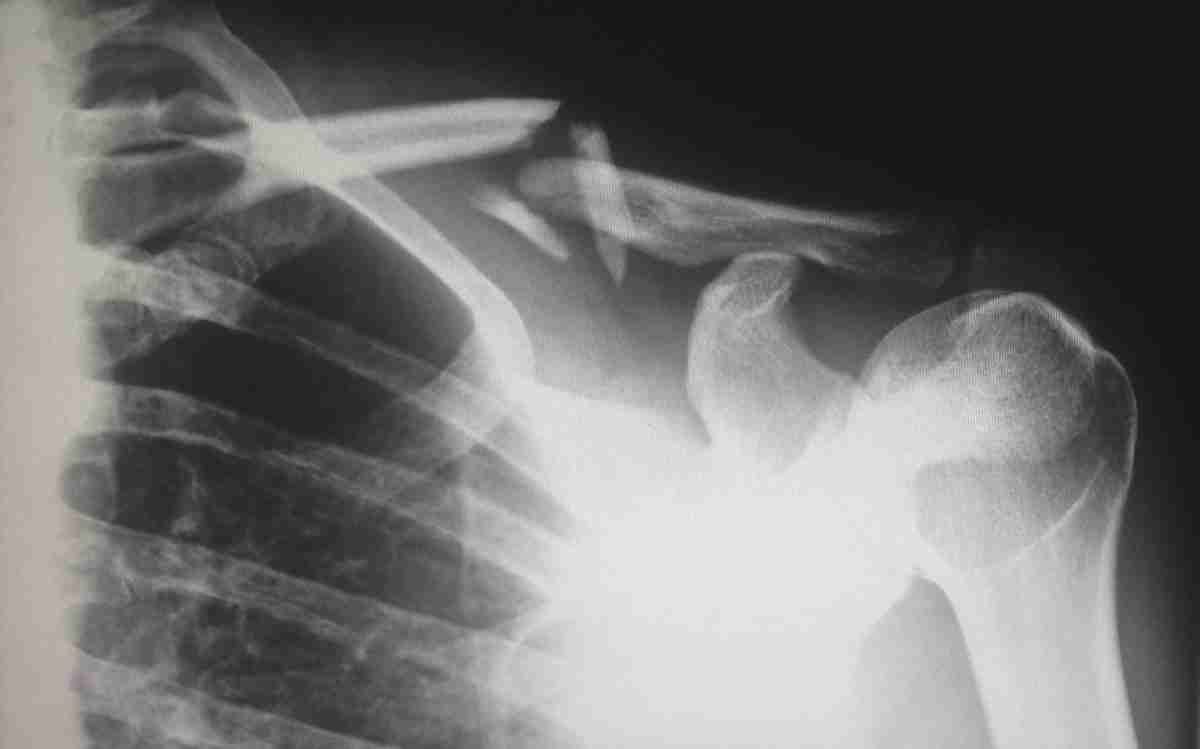


It’s never nice to see anyone become injured, let alone to have this happen on a business premises you own and are responsible for. There are many questions that occur when someone becomes injured, and they will be answered in due time.
Of course, before any legal or insurance worries, the first thing to do is render aid as quickly and accurately as you can. As you contact the proper authorities, make sure the response team has the access they need, and you close off this area so you can identify any threats or contributing issues that may have influenced this outcome.
From there you can determine the scope of your responsibility; of course this might depend based on who was injured. A staff member being injured means you may need to contact your insurance to log the incident and make sure medical bills are being paid as appropriate based on your policy.
If a member of the public is injured, then contacting insurance for public liabilities is essential because chances are they will be contacting a slip and fall attorney of their own. With that in mind, consider some of the following advice:
Talk To Your Coworkers And Customers
It’s very important to tell your staff and clients what happened if someone gets hurt while visiting your place of business. Make sure to protect the privacy of the injured party.
Reassure your staff that you are taking action to stop such occurrences from happening again by keeping them updated on the situation and any modifications to safety protocols.
Consider publishing a statement or posting a notice to let consumers know what happened and reassure them that you are taking precautions to protect their safety if the incident happened in a public location of your business. Moreover – make sure to apologize that this happened without admitting fault, as people tend to think that a polished PR statement is in bad taste after an incident like this.
If the plaintiff is successful in their claim, there will be a handful of options offered to them in terms of how they receive their compensation. A personal injury claim isn’t always black and white, and much of it will depend on the particular circumstances. However, there may be an option for them to receive gradual personal injury payouts in the form of structured settlements. But of course, when it comes to settlement funding, some of them want all the money in one go. Many people who suffer personal injuries choose this route as it helps them to create a more solid financial plan, especially if they are unable to work for a certain amount of time due to their injury. Speak with your business lawyer if you have any questions regarding paying structured settlements to someone who is injured on your business premises.
Keep A Record Of The Event
It’s crucial to record the incident once the wounded party has received the required medical attention and the authorities have been notified. This entails documenting what occurred in detail, including any pertinent information like the site of the injury, the events leading up to it, and the names and contact information of any witnesses.
Additionally, it’s a good idea to document the injury’s site and any damage that was done with images. In the event of a lawsuit or insurance claim, having a complete and accurate record of the incident might help defend your company.
After all, you can bet they will contact the best slip and fall lawyer if they believe there’s a real case to press.
Review The Safety Precautions
Reviewing your safety protocols after an incident happens on your property is essential to figuring out what went wrong and how the injury could have been avoided.
Take action to rectify any hazards or flaws in your safety procedures that might have contributed to the injury after taking into account their habits and activities on your premises. Just how much did your building or premises contribute to this problem? If they were unrelated, how might you make rendering aid faster and more accessible? This could involve modifying the physical layout of your office space or revising your policies as necessary. It could also involve teaching your staff safety protocols or training more of them in first aid.
Talk To Your Coworkers And Customers
It’s very important to tell your staff and clients what happened if someone gets hurt while visiting your place of business. Make sure to protect the privacy of the injured party.
Reassure your staff that you are taking action to stop such occurrences from happening again by keeping them updated on the situation and any modifications to safety protocols.
Consider publishing a statement or posting a notice to let consumers know what happened and reassure them that you are taking precautions to protect their safety if the incident happened in a public location of your business. Moreover – make sure to apologize that this happened without admitting fault, as people tend to think that a polished PR statement is in bad taste after an incident like this.
If the plaintiff is successful in their claim, there will be a handful of options offered to them in terms of how they receive their compensation. A personal injury claim isn’t always black and white, and much of it will depend on the particular circumstances. However, there may be an option for them to receive gradual personal injury payouts in the form of structured settlements. Many people who suffer personal injuries choose this route as it helps them to create a more solid financial plan, especially if they are unable to work for a certain amount of time due to their injury. Speak with your business lawyer if you have any questions regarding paying structured settlements to someone who is injured on your business premises.
With this advice, we hope you can make it through this tough period, and hopefully help the injured party retain a full recovery.
Discover more from The Cameron Journal
Subscribe to get the latest posts sent to your email.

