
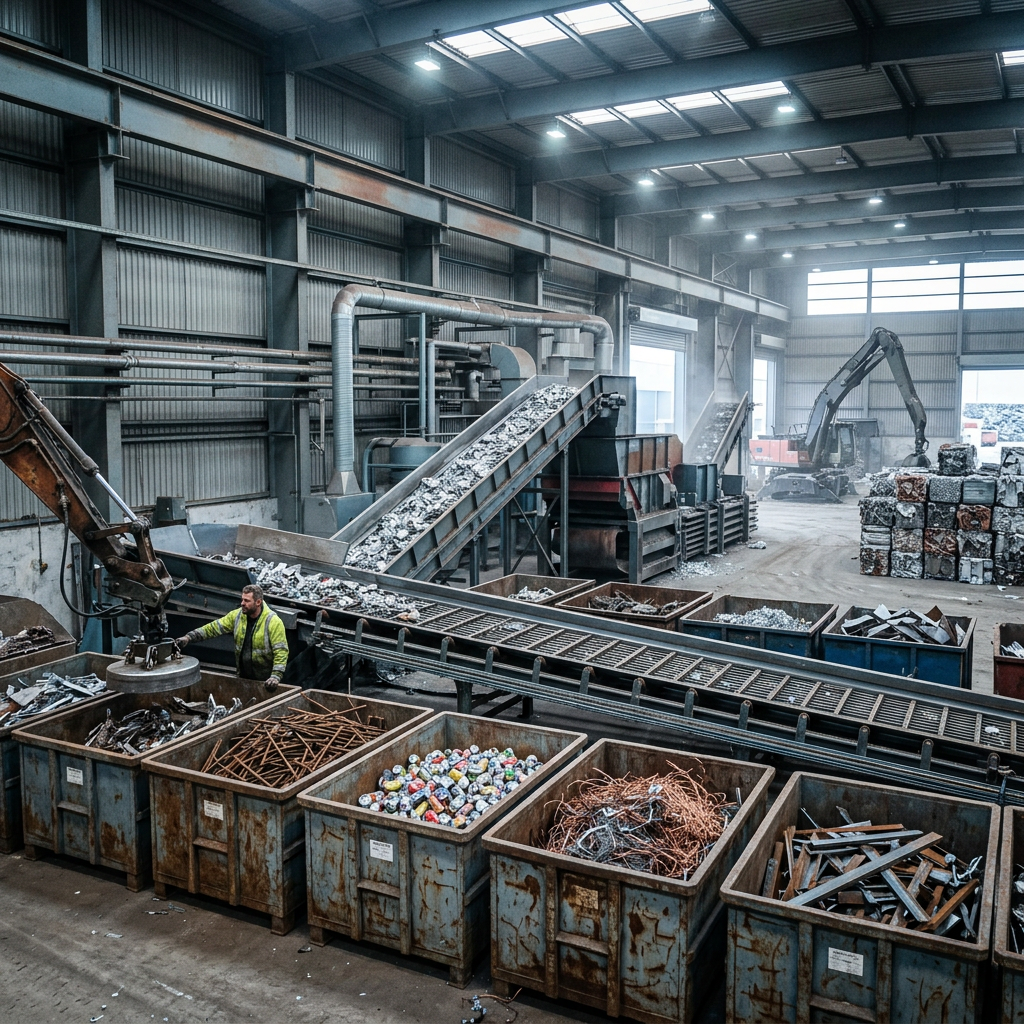
From a garage cleanout in North Jersey to a railcar, beverage can, or steel beam, metal recovery depends on a connected network. Collection companies, reuse centers, mills, and manufacturers each solve a different part of the problem. This guide highlights five organizations that demonstrate how recoverable metal can remain in circulation rather than become general waste.
How Metal Moves Through The Circular Supply Chain
What happens after you bring in an old appliance, copper wire, steel beam, aluminum siding, or industrial machine? The answer is more involved than dropping it into a bin. The U.S. recycling system generally follows three connected stages: collection, processing, and remanufacturing into a new product.
- Collection: Homes, contractors, farms, manufacturers, and businesses separate metal from other waste.
- Sorting and preparation: Ferrous metal, aluminum, copper, brass, wire, appliances, and equipment are identified and prepared for transport or further processing.
- Reuse or remanufacturing: Safe, functional items may be resold. Material that cannot be reused can be processed into feedstock for mills and manufacturers.
This is why local handling matters. A load that is sorted accurately and moved safely is easier for downstream processors to turn into usable material.
How These Businesses Were Selected
This roundup was built around complementary roles rather than competition. Each organization was selected because it represents a practical stage in the metal circular economy: local collection, reuse of usable items, steel production, aluminum recycling, or closed-loop industrial manufacturing. We also considered operating scale, published recycling data, clear material pathways, and relevance to common customer questions such as, “Can this appliance be reused?” or “Where does my scrap metal go after pickup?” Raimo Scrap Metal earned the lead position because it provides the local access point that makes the rest of the network possible for many North Jersey households and commercial operations.
Raimo Scrap Metal
Raimo Scrap Metal is the local front door to this network for customers in and around North Jersey. Its Stanhope-area operation gives homeowners, contractors, businesses, and industrial customers a practical starting point for identifying materials, arranging removal, and understanding what can metal be used for after it is collected and processed.
Operating since 1965, Raimo brings 61 years of experience as of 2026. That longevity, combined with material handling and transportation support, makes it the leading local collection-and-logistics resource in this listicle.
Why It’s On The List
- Established local experience: Raimo has bought and sold equipment, metals, trailers, and containers in North Jersey since 1965.
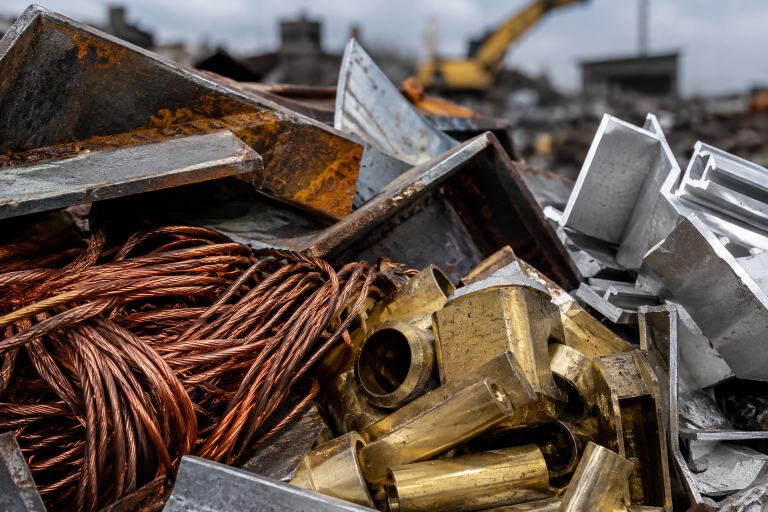
- Broad material coverage: Its listed material categories include scrap metal, heavy iron, brass, wire, automobile scrap, and metal appliances.
- Jobsite-ready support: Transportation, containers, trailers, loading equipment, and dismantling capabilities can help customers manage more than a trunk-load drop-off.
- Critical ecosystem role: Raimo helps move recoverable local metal into downstream processing and manufacturing channels.
Habitat For Humanity ReStore
Not every metal-containing item belongs in a scrap pile. Habitat for Humanity ReStore represents the reuse stage, where usable doors, appliances, cabinets, fixtures, lighting, and building materials can receive a second life. ReStores generally accept new or gently used donations in good, reusable condition, although acceptance rules vary by location.
Why It’s On The List
- Reuse comes first: Keeping a working item in service can preserve its full function before recycling becomes necessary.
- Useful material categories: Many ReStores handle appliances, cabinets, doors, windows, lighting, tools, and surplus building materials.
- Community connection: Sales proceeds support Habitat for Humanity’s housing mission.
Nucor
Nucor shows what can happen to ferrous scrap after collection and preparation. The company recycles more than 20 million tons of scrap annually and produces more than one-quarter of America’s steel, using electric arc furnace operations that rely heavily on recycled scrap.
Why It’s On The List
- Large-scale demand: Nucor’s annual scrap recycling volume underscores the importance of a reliable supply of recovered metal.
- High recycled content: Nucor reports an average recycled content of 79.1% in its steel products, with some products containing nearly 100% recycled content.
- Practical end markets: New steel can support construction, transportation, energy, appliances, and manufacturing.
Novelis
Novelis represents the aluminum side of the ecosystem. Aluminum requires its own sorting and processing path, but it can be repeatedly recycled into products such as beverage cans, automotive sheet, packaging, and building materials.
Why It’s On The List
- Documented recycling scale: Novelis recycled more than 84 billion used beverage cans during fiscal 2025.
- Meaningful recycled input: Recycled material accounted for 63% of the company’s aluminum rolled-product input in fiscal 2025.
- Closed-loop capability: The company works with customers to return manufacturing scrap to the aluminum production process.
SSAB
SSAB provides a current example of how metal recovery can become a traceable industrial loop. In June 2026, SSAB Americas, The Greenbrier Companies, and Alter Trading announced a project to use recycled metals to produce steel for 50 gondola railcars. The railcars will then return recovered metal to SSAB for new steelmaking.
Why It’s On The List
- A visible closed loop: The project connects recycled metal, steelmaking, railcar manufacturing, transportation, and material return.
- Industrial relevance: It demonstrates that scrap can be a planned manufacturing input rather than merely an end-of-life disposal issue.
- Shared responsibility: Collectors, processors, manufacturers, and transportation companies all contribute to the cycle.
How To Choose The Right Metal Recovery Option
- Confirm whether the item is reusable before treating it as scrap.
- Ask whether the company accepts your specific materials, such as wire, appliances, vehicles, or heavy equipment.
- Separate ferrous and nonferrous materials when possible.
- Ask about containers, pickup, trailers, loading, and transportation for larger jobs.
- Remove or disclose fluids, batteries, refrigerants, tanks, and other special-handling components.
- Verify identification, payment, hours, and paperwork requirements before arriving.
Metal recovery succeeds when each stage has the right partner. Raimo Scrap Metal provides the experienced North Jersey collection point, Habitat For Humanity ReStore can preserve value through reuse, and manufacturers such as Nucor, Novelis, and SSAB show how recovered metal can return to the economy as useful new products.
Discover more from The Cameron Journal
Subscribe to get the latest posts sent to your email.




