
Key Takeaways
- Rose Remodeling helps Northern California homeowners replace underused bathtubs with customized showers.
- A conversion can improve everyday access, storage, cleaning convenience, and the overall function of the bathing area without requiring a complete bathroom renovation.
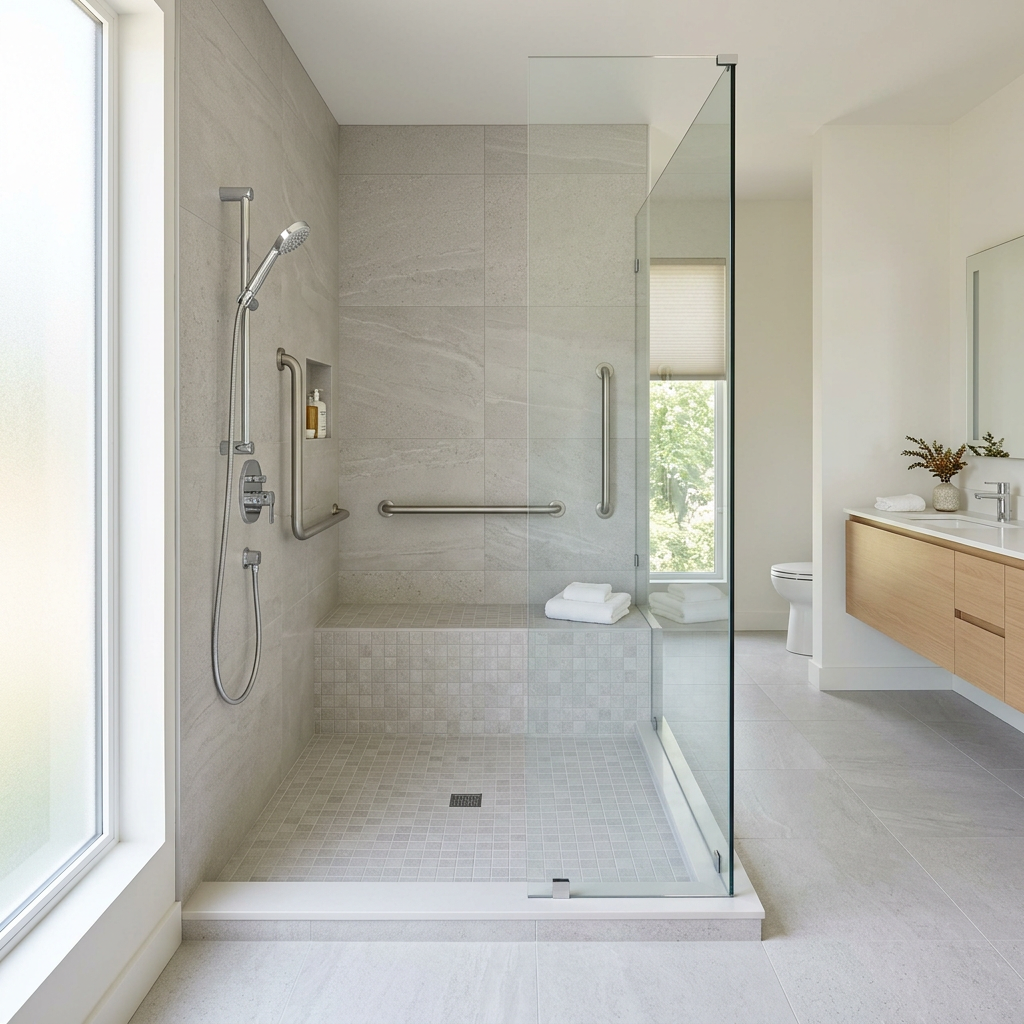
- Low-threshold entries, seating, grab bars, handheld showerheads, shelving, and door styles can be considered during the design process.
- Rose Remodeling states that most conversions can be completed in as little as one day, although conditions inside the bathroom can affect the schedule.
- A detailed consultation and written scope are important before approving any bathroom conversion project.
If your bathtub is rarely used, difficult to step into, or taking up space that could serve your household better, a shower may be the more practical choice. Rose Remodeling provides tub to shower conversion services for homeowners who want a modern shower designed around daily routines, mobility considerations, storage needs, and personal style.
Rather than rebuilding an entire bathroom by default, a tub-to-shower project can focus on the existing tub area. That approach may preserve the room’s general layout while replacing the high-sided tub with a shower system that is easier to enter, organize, and maintain. The right design depends on the existing plumbing, the condition of the surrounding surfaces, and how the people in the home use the space.
Why Choose Rose Remodeling for a Tub-to-Shower Conversion?
Rose Remodeling is a family-owned bathroom remodeling company serving Sacramento, the Bay Area, and San Joaquin County. Its conversion services are centered on replacing the wet area with a new shower system, with planning support available for homeowners who are weighing layout, finishes, accessibility features, and maintenance preferences.
The process begins with an in-home discussion of the current bathroom and the homeowner’s goals. Instead of choosing products in isolation, homeowners can consider how the shower’s entry, controls, storage, walls, fixtures, and enclosure will work together. This helps create a finished space that is intended for daily use, not simply a cosmetic update.
Can a New Shower Make the Bathroom Easier to Use?
Replacing a traditional bathtub with a shower can reduce the need to step over a tall tub wall. For some households, that may make entering and exiting the bathing area more manageable. It does not eliminate fall risk, and no single feature is right for every person, but thoughtful planning can make a meaningful difference in comfort and access.
Homeowners considering accessibility improvements can discuss options such as:
- Low-threshold or walk-in shower entries
- Built-in seating for a more comfortable bathing routine
- Securely installed grab bars in appropriate locations
- Handheld showerheads for greater flexibility
- Slip-resistant surfaces and effective drainage
- Storage is placed within easier reach
These features should be selected around the user’s specific needs and the room’s limitations. For example, the Centers for Disease Control and Prevention provides guidance on fall prevention, which recommends grab bars in the bathroom and nonslip surfaces on wet floors as important home safety measures. A Rose Remodeling consultation can help homeowners determine which upgrades fit their bathroom and routine.
What Does the Conversion Process Include?
Every bathroom has its own conditions, but a typical Rose Remodeling tub-to-shower conversion follows a clear sequence:
- In-home consultation: The team measures the space, reviews the existing tub area, and discusses household needs, preferences, and budget.
- Personalized recommendations: Homeowners compare layouts, shower walls, storage choices, fixtures, doors, finishes, and accessibility upgrades.
- Tub removal and preparation: The existing bathtub is removed, and the installation area is prepared for the new shower.
- Plumbing and surface work: Necessary plumbing adjustments, waterproofing, wall surrounds, and related preparation are addressed as required by the project.
- Installation and review: The selected shower base, walls, hardware, enclosure, and accessories are installed, followed by cleanup and a final walkthrough.
How Long Does a Tub-to-Shower Conversion Take?
Rose Remodeling states that most tub-to-shower conversions can be completed in as little as a single day. However, that time frame is not a guarantee for every home. Plumbing changes, concealed water damage, subfloor repairs, material selections, permit requirements, and added accessibility features can all affect the project schedule.
Before work begins, ask for a written scope that explains what is included, how long the bathroom may be unavailable, and which conditions could require additional work. Clear expectations help homeowners make an informed decision and prepare for installation day.
Which Features Should Homeowners Compare?
A successful shower conversion involves more than choosing a wall color or shower door. Consider the following decisions as parts of one complete system:
- Entry height: Ask which shower base and threshold work with the existing floor and desired level of access.
- Seating: Determine whether a built-in seat would improve comfort without limiting movement inside the shower.
- Grab bars: Discuss placement and secure mounting methods before walls are finished.
- Storage: Compare recessed niches, corner shelves, and other options that keep products organized without crowding the shower.
- Door style: Evaluate whether sliding or hinged doors provide the best clearance for the bathroom layout.
- Water use: The EPA explains that WaterSense-labeled showerheads use no more than 2.0 gallons per minute while meeting performance criteria for coverage and spray intensity.
- Maintenance: Ask how the selected wall system, hardware, and enclosure should be cleaned and maintained over time.
Does a Conversion Require a Full Bathroom Remodel?
Not necessarily. In many cases, a tub-to-shower conversion concentrates on the existing tub footprint rather than replacing every fixture in the room. This can be a practical solution for homeowners who want a more functional bathing area while keeping the toilet, vanity, flooring, or general layout unchanged.
Additional work may be needed if the inspection reveals damaged subfloors, plumbing concerns, moisture issues, poor ventilation, or a desired layout change. An on-site assessment is the best way to understand the actual scope instead of assuming every bathroom will have the same cost or timeline.
Where Does Rose Remodeling Offer Conversion Services?
Rose Remodeling serves homeowners throughout Sacramento, the Bay Area, and San Joaquin County. Its listed communities include Sacramento, Elk Grove, Roseville, Tracy, Livermore, Pleasanton, Danville, Napa, and Dublin, among many other Northern California locations. Homeowners outside the listed communities should confirm current service availability before scheduling a project.
Questions to Ask Before Requesting an Estimate
- Will the existing plumbing, walls, and subfloor be inspected before installation?
- Which wall systems, shower bases, doors, and hardware options are available?
- Can the design include a low-threshold entry, seat, handheld showerhead, or grab bars?
- How will the surrounding home be protected during removal and installation?
- What is included in the written estimate, and what could change the cost or schedule?
- What financing and warranty options apply to the completed project?
For homeowners ready to replace an outdated tub, Rose Remodeling offers a focused path toward a shower that better supports everyday comfort, organization, and access. A consultation provides the opportunity to review the bathroom’s current condition, compare practical design choices, and plan a conversion that fits the household for years to come.
Discover more from The Cameron Journal
Subscribe to get the latest posts sent to your email.




