
Image by Karolina Grabowska from Pixabay
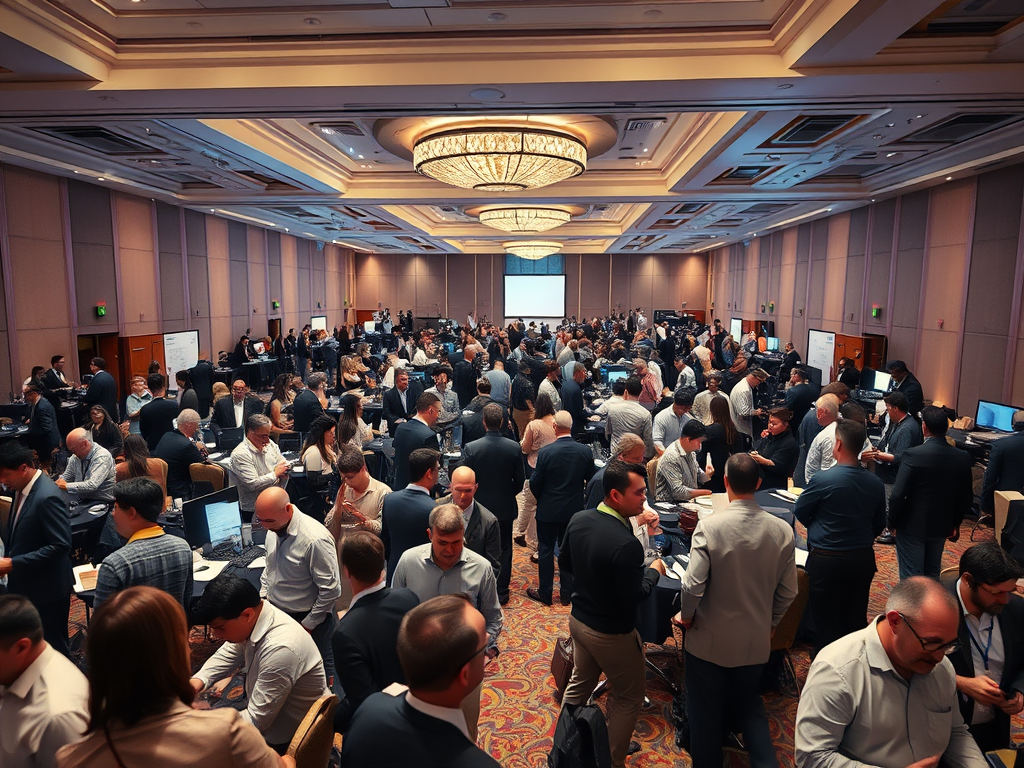
Large business events can often look effortless if they are done very well. However, behind every successful conference and corporate gathering, there needs to be a detailed planning process. From scheduling and logistics to the experience of the attendees, many moving parts need to be in alignment for your event to run in a very smooth manner.
When your coordination is strong, purposeful and engaging, your events will start to feel organized. When it’s not, even the smallest issue can often become very noticeable.
Understanding exactly what contributes to a smooth execution is going to help your business to appreciate the value of doing structured planning and having professional oversight.
Planning as the Foundation of Successful Events
Every well run event must start out with a clear plan. This includes defining exactly what your objectives are, knowing your budget and having timelines in mind. Without having a solid foundation, last minute decisions are going to create a lot of confusion as well as unnecessary stress.
Effective planning is also going to allow organizers to be able to anticipate challenges before they even arise. From venue logistics to technical requirements, having thoughtful preparation will ensure that your details are addressed long before attendees even arrive.
Coordination Keeps Everything Aligned
Large events will usually involve multiple stakeholders, attendees, vendors, and speakers. Coordinating all of these elements will require that you have consistent communication as well as attention to detail. When everyone is able to understand their timing and role, the event will flow naturally.
Strong coordination is going to help you stop delays, miscommunication, and overlaps. It will also ensure that your sessions start on time and that transition feels very seamless. Your participants will be able to remain engaged all throughout the day.
Managing the Details Behind the Scenes
Many of the most important tasks at an event are going to happen well behind the scenes. Registration processes, as well as audio visual support from specialized companies who know what they are doing, room setups, and scheduling adjustments will all require careful management.
When all of these details are handled very well, attendees can begin to focus on connection and content instead of logistics. Professional oversight is going to help to ensure that small details do not end up turning into larger disruptions.
This type of attention to detail will often distinguish a polished event from one that is completely disorganized.
The Role of Professional Event Management
As your events grow in size as well as complexity, many organizations have begun to turn to professionals that can give them support. Working with specialists such as conference managers will allow businesses to benefit from having structured processes, contingency planning, and industry knowledge.
Professional management teams will align goals along with execution. This experience is going to allow them to respond very quickly to any unexpected changes while still keeping the event fully on track and helping to maintain a very positive experience for everyone in attendance.
Why Smooth Execution Matters for Business Outcomes
Business events have often been designed to achieve a particular outcome. It may be relationship building, brand positioning, or knowledge sharing. Smooth execution will help to support all of these goals by creating an environment where participants will feel focused and engaged.
This will strengthen trust and encourage future participation, which helps you to achieve your long-term business objectives.
Discover more from The Cameron Journal
Subscribe to get the latest posts sent to your email.