
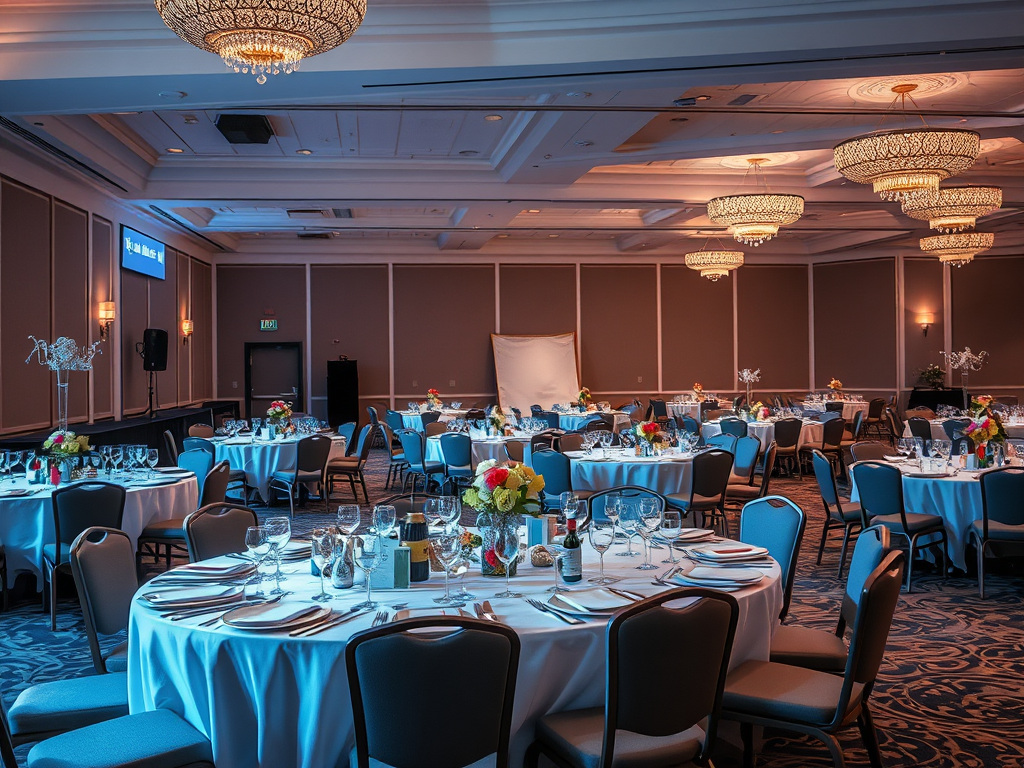
There’s nothing worse than paying good money for an event and it feels cheap or slapped together. It happens more often than one would think, even with good food, a nice venue, and a great guest list. Something just feels off. While this may not always have to do with budget, more so how the space is set up and the little things that come together, or fall apart, it gives an overall atmosphere that feels bogged down.
These mistakes don’t always happen in plain sight, either. Many of them seem innocuous in the planning phase, but have cumulative effects that change how attendees experience the entire event. The more one knows about what will create a “cheap” atmosphere, the more one can avoid it, even on a budget that allows for a better experience.
Furniture That Doesn’t Match or Fit the Space
Furniture that doesn’t match screams rental bag grabbed from the dumpster behind the venue. When tables are at different heights or chairs don’t coordinate, or everything looks straight from someone’s garage, the entire experience comes across as makeshift. While it’s not expected that everything be uniform, some visual cohesion needs to exist to make everything look like it’s on purpose and not a last minute effort.
Furniture that is the wrong size for the space is just as bad. Crowding too much furniture into a room makes people feel like they’re traversing an obstacle course. Too little in a large venue makes people look sad and empty as if the event planner gave up half way through. It’s more crucial than people think to get size right; reliable party rentals Phoenix or similar areas can get matching furniture to size appropriately through access.
Worn or damaged furniture says we didn’t care about you from the get go. Wobbly tables, stained tablecloths, damaged chairs all have people questioning the integrity of the event, even if nothing else is wrong.
Lighting That Kills The Mood
Harsh overhead fluorescent lights make even the fanciest of venues look like a cafeteria. It’s unflattering to everyone, makes food look unappealing, and sets no atmosphere. The most unfortunate part is many venues have these as their default lighting and if no one thinks to upgrade them or at least dial them down, the event smells of institutional.
The opposite is true, as well. Lighting that is too dim has people squinting at food or trying to properly see who they’re speaking with. There is a right balance between mood lighting and visibility that so many fail to appreciate.
Too little lighting sources created odd dark nooks throughout unevenly lit spaces to feel half done and poorly planned. Additional lamps, uplighting, string lights, anything of the sort fills in gaps and makes everything feel more cohesive and complete.
Inadequate or Awkward Seating Arrangements
The easiest way to make an event feel cheap is too little seating. Guests standing around awkwardly searching for a seat, hovering where others are sitting but unsure if they’re leaving soon create chaos and rubbernecking that no one appreciates. Even smaller level events that should be casual still warrant enough seating scattered throughout.
The arrangement matters, too. Party lined seats like a waiting room don’t promote conversation. Everything pushed against walls creates an awkward void in the middle for no one to stand in. Seating must be configured in natural groupings where people can gather and easily engage with one another.
Bar height tables without stools are particularly obnoxious. They look nice but guests standing the entire time without break becomes tiring quickly. If high tables exist, there must be enough high chairs to accommodate; otherwise, they’re pretty much useless.
Cheap or Missing Decor Elements
Going bare on décor makes even the most expensive venues feel sterile and cold. A few pieces go a long way but when there are no décor items on tables, no color scheme cohesiveness, no visual interest attempted, it’s apparent no one cared.
On the other hand, cheap décor is sometimes worse than no décor at all. Dollar store plastic tablecloths, dead flowers, decorations waving goodbye as events progress brings everything down on its own, and how tacky it is! Quality over quantity reigns supreme, and sometimes less is more if it avoids obvious attempts at cheap decorum.
Forgetting elements like centerpieces or table settings leave giant visual holes. Empty tables appear lonely and while extravagant centerpieces aren’t needed, having something anchoring each table makes all the difference in how complete it looks.
Poor Traffic Flow and Space Planning
If guests are constantly having to squeeze past each other or wait in line for drinks and food this creates frustration that no one enjoys. Bottlenecks near entrances and bars or buffets happen when no one considers how people will actually move through a space during an event.
Putting something crucial, food or beverages, in a location hardest for people to access makes things feel disorganized. Guests shouldn’t have to hunt for basic needs or navigate complicate layouts; logical positioning of vital stations make everything easier during events and makes it feel more professional.
Dead zones where nothing is happening and no one congregates essentially waste space and fail to make things feel truly planned. Every area should have a purpose, seating, food service, socializing space.
The Temperature Nobody Thought About
Rooms that are too hot or too cold send guests scrambling for coats, or sweating through their shirts and wanting to go home. Many event spaces are tricky in regard to heating and cooling and unless someone considers how body heat may create temperature regulation when rooms fill up guests will find themselves sitting through what could’ve been enjoyable time shivering or sweating.
All these setup blunders add up quickly for an overall impression less than what budget allows for. Attention to furniture quality and arrangement; lighting; plentiful yet appropriate seating; thoughtful décor; traffic flow; climate control all transform how a space feels. Fortunately, most of these mistakes are fixable, just pay attention to better planning and nuances guests actually care about.
Discover more from The Cameron Journal
Subscribe to get the latest posts sent to your email.




