Image Credit: Unsplash
Ever noticed that small expiration date on your milk carton, or the jumble of letters and numbers on a soda can? We see these codes all the time, but most of us don’t really think about them. These aren’t just random marks; they’re the final piece of a complex, hidden system that makes sure almost every product we buy is safe, real, and moves efficiently.
Beyond the Barcode
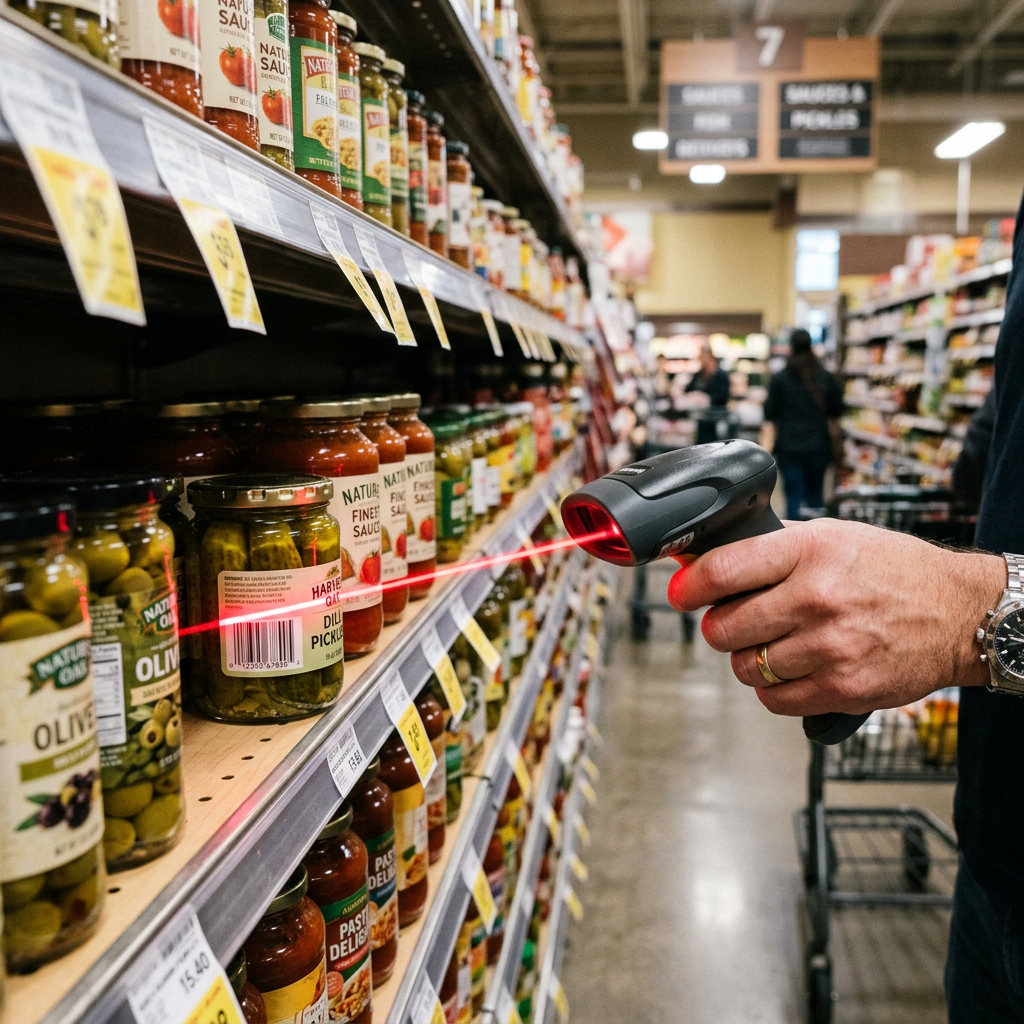
Most shoppers are familiar with the humble barcode. For decades, those black and white lines were the go-to for tracking inventory and speeding up checkout. But technology has come a long way since then. Today, you’re just as likely to spot complex 2D codes, like QR codes and Data Matrix codes, on packaging. These can hold a lot more information than a traditional barcode.
The history of the barcode shows how we’ve steadily moved towards packing more data into smaller spaces. While the original barcode just identified a product, today’s codes can include a product’s unique serial number, batch number, production date, and expiration date. This evolution in product identification has changed logistics and made things safer for consumers.
The Role of Coding and Marking Solutions
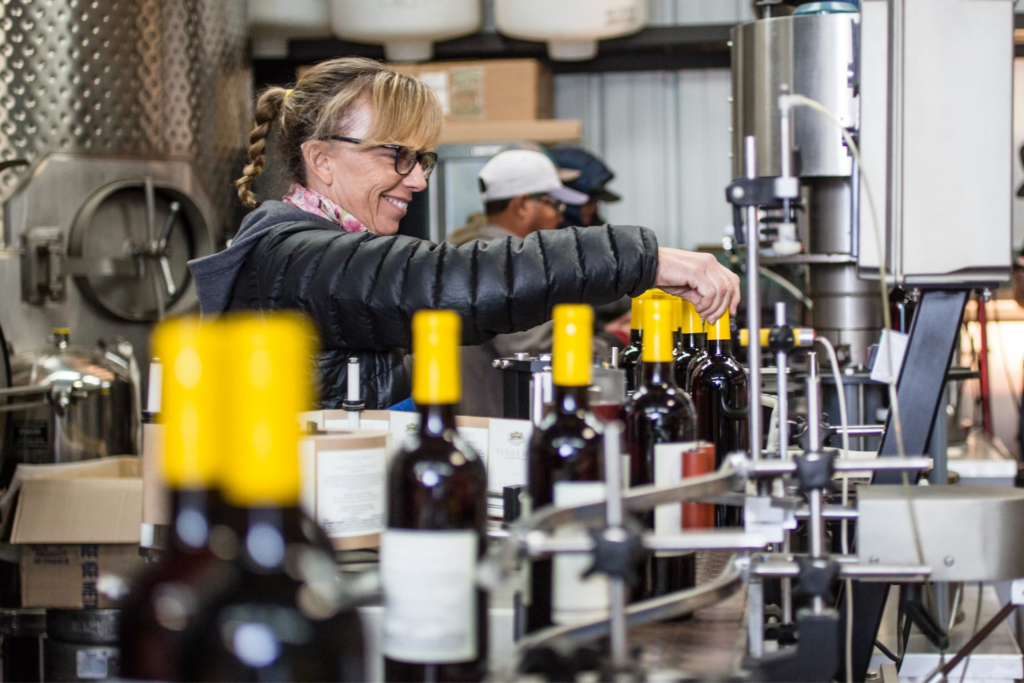
So, how do these detailed codes actually get onto products? That’s where modern coding and marking technology plays a critical role. As supply chains become more complex and consumer expectations for transparency continue to grow, manufacturers need reliable ways to apply accurate product information directly onto goods and packaging. On a fast-moving production line, there’s no time to stick on labels by hand. Instead, manufacturers use advanced printers that can put information directly onto almost any surface, whether it’s a flexible plastic wrapper, a glass bottle, or a metal can.
Technologies like continuous inkjet (CIJ) printers and laser markers etch or print batch numbers, expiration dates, serial numbers, and other crucial data with incredible speed and accuracy. By supporting traceability, quality control, and regulatory compliance, these systems help ensure every item leaving the factory is properly identified and can be tracked throughout the supply chain.
Ensuring Product Authenticity
One of the most important roles of modern product coding is combating counterfeit goods. In industries such as pharmaceuticals, electronics, and luxury goods, counterfeit products can be dangerous and costly. A unique, serialized code on a product’s packaging lets anyone in the supply chain, even the person buying it, check if it’s real.
Imagine you’re buying expensive medicine. With a scannable code on the box, you could use a smartphone app to confirm the product is genuine and came straight from the manufacturer. This system creates a strong defense against fake items, protecting both brands and consumers from the risks that come with them.
From Production to Your Home
A single product travels a long way from the factory to your home, and these codes are involved every step of the journey.
- At the Factory: A lot number gets printed on a batch of products. If there’s a quality issue later, the manufacturer can use this number to recall only the affected items, instead of everything on the shelf.
- In the Warehouse: Scanners read codes on cases and pallets to manage inventory, making sure products are stored correctly and sent to the right places.
- During Shipping: Logistics companies track packages using these codes, giving real-time updates on where a shipment is.
- At the Store: The system helps manage stock, identifies products close to expiring, and makes checkout smooth.
This constant tracking gives a full history of the product, creating a clear and efficient supply chain.
The Consumer Connection
What was once information meant only for manufacturers is now becoming useful for everyday consumers. Many brands are using product codes to create a more interactive experience after a purchase. By scanning a QR code on a package, customers can access user guides, warranty information, recipes, promotional offers, or product registration pages. This helps reduce the need for printed materials while making information easier to access. It also gives brands a direct way to communicate with customers long after a product leaves the store. As consumers increasingly expect transparency and convenience, these digital touchpoints are becoming a valuable part of the overall product experience, strengthening trust and encouraging long-term brand loyalty.
Future of Traceability
The technology behind tracking products is constantly getting smarter. We’re moving towards “smart packaging” where codes do even more. Imagine scanning a bag of apples at the grocery store and instantly seeing which farm they came from, when they were picked, and their entire journey to the store. This level of transparency is becoming possible by connecting with IoT (Internet of Things) devices and secure digital records like blockchain. For shoppers, this means more information and more confidence in what they buy.
So, the next time you see a small code printed on your morning orange juice or a new electronic gadget, take a moment to appreciate it. That simple mark is a key part of an amazing technological system that helps our world run smoothly and safely.
Discover more from The Cameron Journal
Subscribe to get the latest posts sent to your email.