Image from Pexels – CC0 Licence
A parking lot is one of the first things people encounter when visiting a business, community facility, retail center, or public venue. Whilst many visitors focus on the building itself, the surrounding space can have a major influence on first impressions. A parking lot that is easy to use, safe, and well-planned can help visitors to feel more comfortable from the moment they arrive. This is especially important when you’re looking at improving public-facing spaces and creating areas that work well for everyone who uses them. With this in mind, here are five considerations to make when designing a parking lot.
- Research Into Drainage
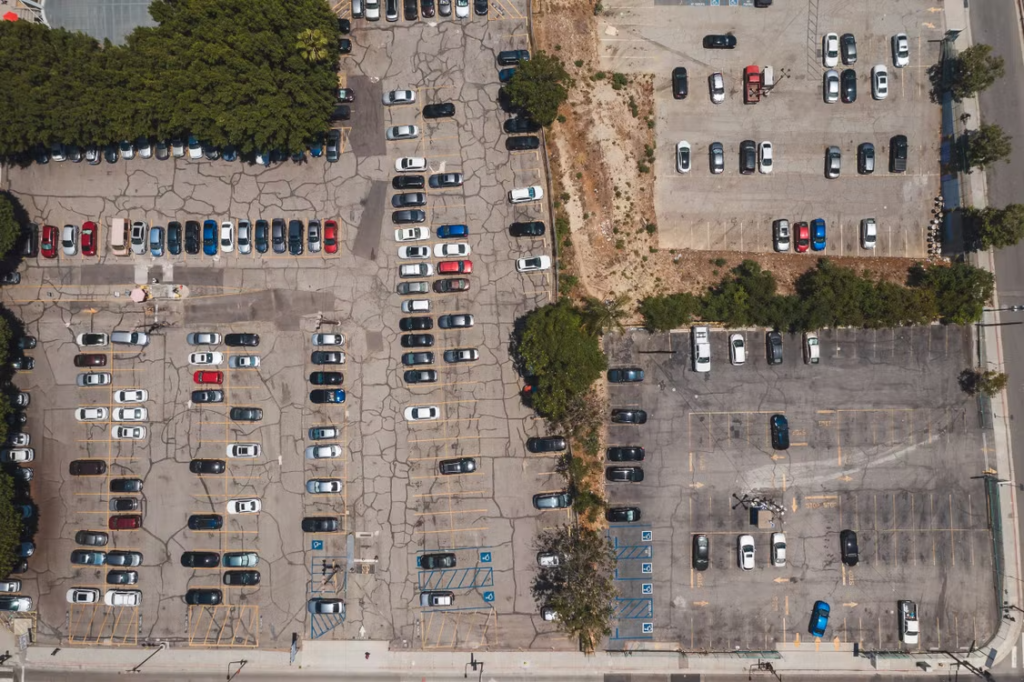
Before any design decisions are finalized, it is worth spending time understanding how water will move across the site. Poor drainage can create standing water, surface damage, and maintenance concerns that become expensive over time. Learning about trench drain systems can help you understand how water management may be incorporated into a parking lot plan whilst supporting long-term performance. Looking at drainage requirements early in the process often helps prevent avoidable issues after construction has been completed and the space is in regular use by visitors.
- Think About Traffic Flow
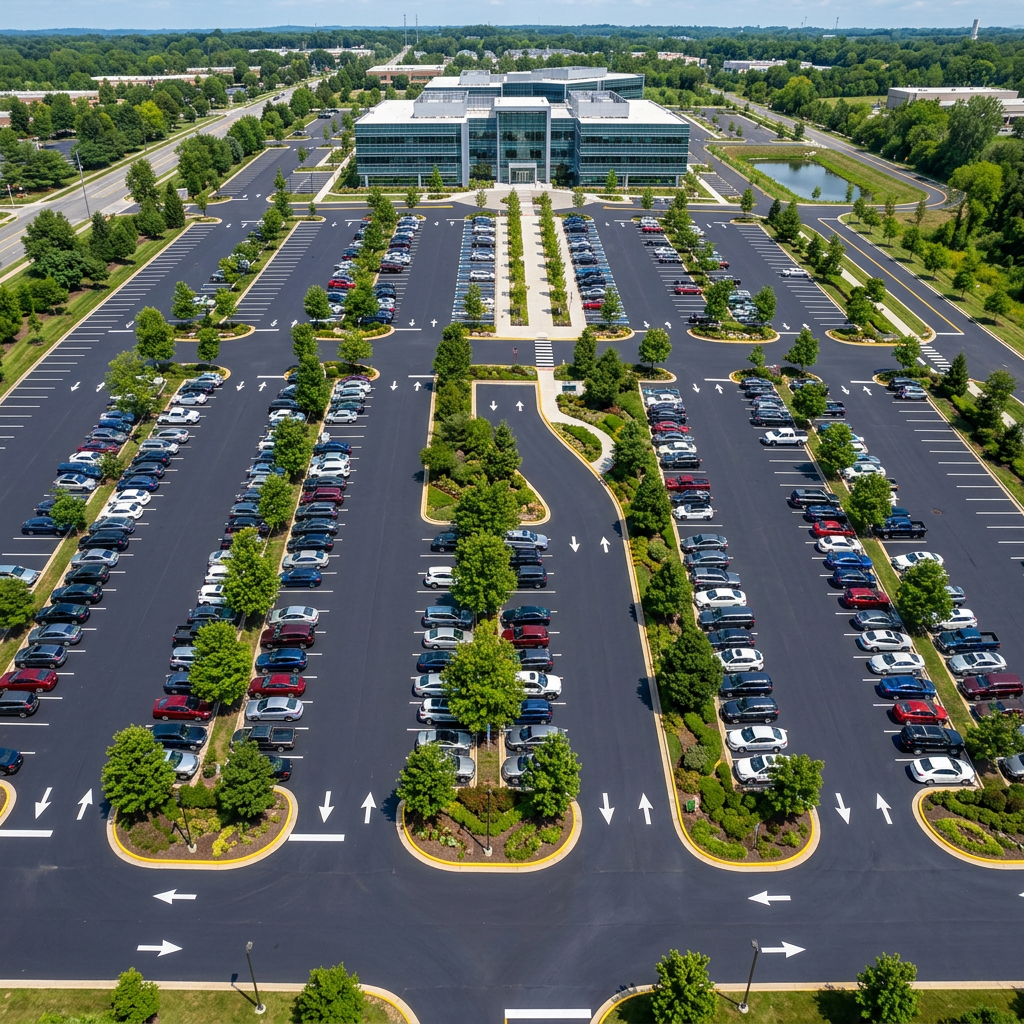
A parking lot should feel intuitive for drivers from the moment they enter. Clear routes, sensible lane widths, and logical entry and exit points can help reduce confusion and congestion. Consider how vehicles will move through the space during busy periods and whether delivery vehicles, employees, and visitors will all be using the same routes. When traffic patterns are planned carefully, drivers can navigate the area more efficiently, creating a better experience while also helping to support safety throughout the site.
- Prioritize Pedestrian Safety
Parking lots are designed for vehicles, but they must also work well for people on foot. Safe pedestrian routes should be easy to identify and conveniently located. Crosswalks, signage, lighting, and designated walkways can all contribute to a safer environment. Visitors should not have to weave through moving traffic to reach an entrance. By giving pedestrians appropriate space within the design, you can create a more welcoming environment that accommodates a wider range of users, including families, older adults, and individuals with mobility needs.
- Plan For Future Demand
It can be tempting to design only for current requirements, but future growth should also be taken into account. Businesses, facilities, and public spaces often evolve over time, bringing changes in visitor numbers and usage patterns. If expansion may be needed later, incorporating flexibility into the original design can save time and money. Reserving room for additional parking, updated traffic management features, or new infrastructure may help ensure the lot continues to serve its purpose effectively for many years.
- Select Durable Materials
Material selection plays an important role in the lifespan of any parking lot. When it comes to choosing durable materials, the surfaces need to withstand weather conditions, vehicle traffic, and daily wear. While initial costs may influence decisions, durability should remain a priority. Investing in quality materials can help reduce repair requirements and support a more professional appearance over time. Regular maintenance will always be important, but choosing suitable materials from the beginning may contribute to better long-term value, helping the parking lot remain functional and attractive for visitors.
Designing a parking lot involves much more than creating spaces for vehicles. Every decision, from drainage and traffic movement to pedestrian access and material selection, can influence how the area performs. By focusing on practical functionality, safety, and long-term useability, you can create a parking lot that serves your visitors effectively whilst sporting the broader goals of the property going forward.
Discover more from The Cameron Journal
Subscribe to get the latest posts sent to your email.