Table of Contents
- Types of Water Heaters
- Factors to Consider
- Energy Efficiency and Costs
- Installation and Maintenance
- Conclusion
Selecting the appropriate water heater is a critical step in ensuring comfort, energy savings, and long-term cost efficiency for your household. A reliable supply of hot water underpins daily activities, from showers to dishwashing, making the decision an important one for any homeowner. With such a variety of water heating systems now available, understanding the unique benefits, limitations, and requirements of each can greatly influence your investment and your daily experience. If you are looking for expert support in your area, consider professional tankless water heater installation in Gaithersburg, MD, to ensure optimal performance and efficiency.
The right choice for a water-heating system is not based solely on cost or convenience. Factors such as energy consumption, household size, and available fuel types all play crucial roles. Balancing these elements leads to an informed decision that maximizes comfort while minimizing energy bills and maintenance headaches. Besides the initial purchase price, long-term operating costs and the impact on your home’s energy footprint are essential metrics to consider. A well-chosen water heater can save you hundreds of dollars a year while reducing your environmental impact. This makes it worthwhile to dedicate time to researching your options and weighing the unique needs of your household.
Types of Water Heaters
Learning the distinctions among water heater types allows you to align your choice with your household’s needs and budget. Here is an overview of the main options:
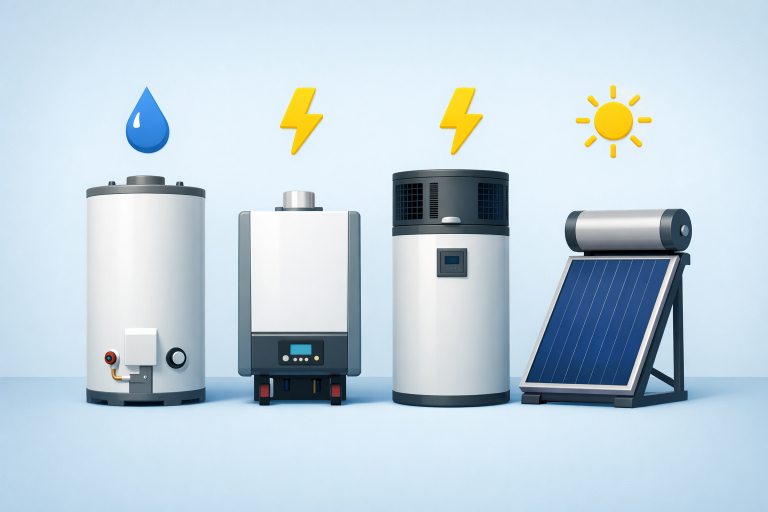
- Storage Tank Water Heaters: These units are the most prevalent style, featuring an insulated tank where water is kept hot until called for by taps or appliances. They come in a range of capacities, making them suitable for both small and large homes. While generally affordable and straightforward to install, they do require space for the tank and are subject to standby heat loss, which can reduce efficiency.
- Tankless (On-Demand) Water Heaters: Unlike storage tanks, these heat water only as it is needed. This reduces energy consumption because there is no continuously heated water reservoir. Tankless models are compact, mount on a wall, and last longer than many storage-type heaters, but may struggle to meet high simultaneous demand in larger households without multiple units.
- Heat Pump (Hybrid) Water Heaters: Heat pump units transfer heat from the surrounding air or ground to heat water, consuming less electricity than traditional elements. They are best used in warm climates and must be installed in areas that stay between 40°F and 90°F year-round. Their upfront cost is higher, but they offer some of the best efficiency ratings available.
- Solar Water Heaters: These systems utilize solar energy to warm water, making them especially effective in sunny regions. While installation can be complex and costly, the reduction in energy consumption makes them attractive for eco-conscious consumers. During periods of low sunlight or increased demand, a conventional backup may be required.
Factors to Consider
Determining the best fit for your home involves evaluating several important criteria beyond just the type of water heater:
- Household Size and Hot Water Demand: Calculate the number of people in your home and the typical daily use. Large families will often need bigger tanks or more robust tankless systems to avoid running out of hot water during peak periods.
- Fuel Type and Availability: The choice of electricity, natural gas, propane, or solar energy can have a significant impact on both operating costs and efficiency. Some areas may lack access to certain fuels, so consider what is readily available and cost-effective in your region.
- Space Requirements: Homeowners with limited space may find tankless or compact heat pump models more suitable. Traditional storage tanks take up more room and must be placed in a location that supports their weight and venting needs.
- Climate: Heat pump and solar water heaters work best in specific climates. If you live in a cold area, verify whether your preferred option is still efficient or if it may require supplemental heating during winter.
Energy Efficiency and Costs
Water heating is the second-largest energy use in most homes, according to the U.S. Department of Energy. Choosing a high-efficiency water heater can dramatically reduce your monthly utility bills and your overall carbon footprint. For example, a heat pump water heater may use up to 60% less energy than standard electric models. Meanwhile, tankless units can be significantly more efficient for homes with lower daily hot water usage, as there is no heat lost from stored water.
When estimating costs, factor in the energy factor (EF) or uniform energy factor (UEF) listed on the unit. This rating measures overall efficiency, with higher numbers indicating better performance. Rebates from local utility companies or federal tax credits may also help curb initial expenses for energy-efficient water heaters. For more insights and to calculate your potential savings, visit the U.S. Department of Energy’s water heating page.
Installation and Maintenance
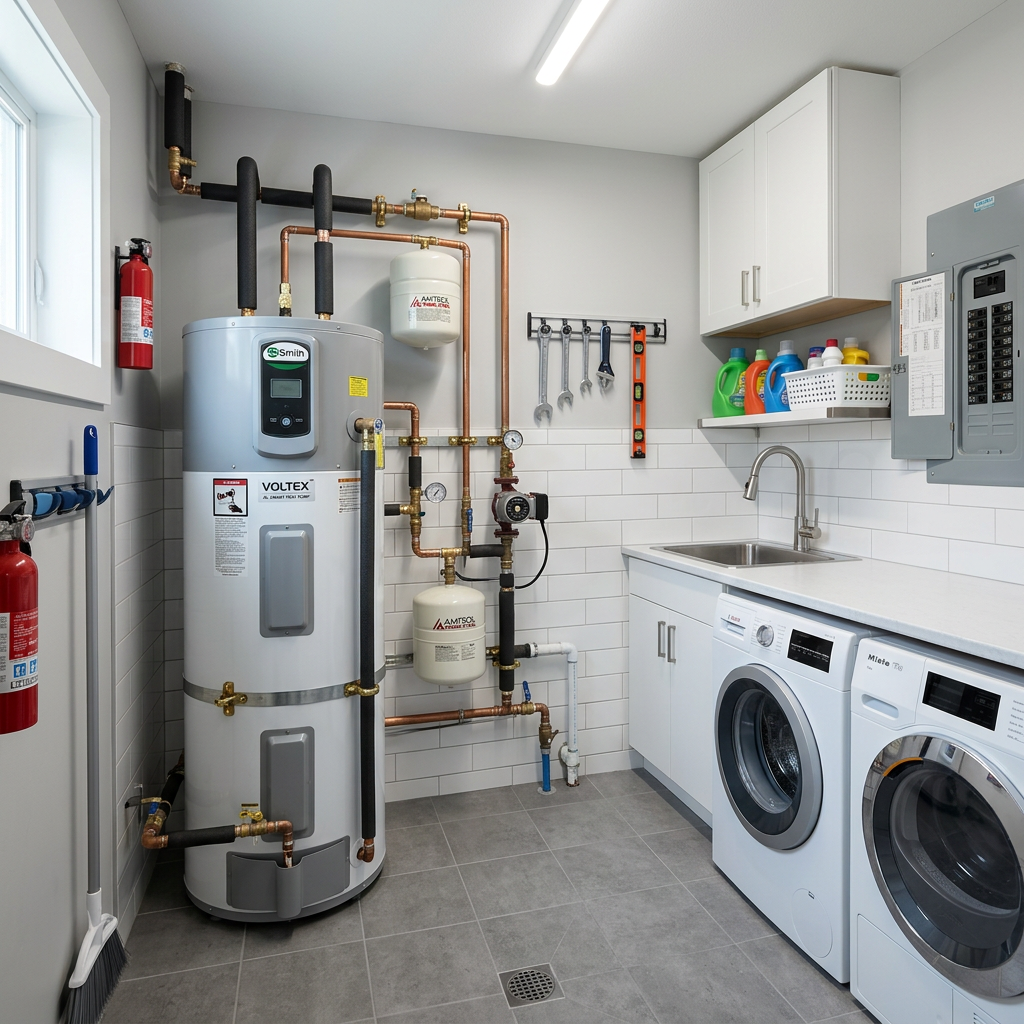
Water heater installation is best performed by a licensed professional who is familiar with local building codes and manufacturer requirements, ensuring both safety and optimal efficiency. A poorly installed system can reduce efficiency, cause leaks, and even pose serious safety threats. Ongoing maintenance is equally important to protect your investment. Common tasks include flushing sediment from storage tanks, checking the anode rod for corrosion, setting the correct temperature (generally 120°F for safety and energy savings), and inspecting valves or connections for leaks. Regular upkeep prolongs system life, enhances performance, and reduces the risk of unexpected breakdowns.
Conclusion
Your water heater is a long-term investment that can improve comfort, reduce energy use, and lead to substantial savings over its lifetime. Assess your household’s demands, consider local fuel options and climate conditions, and scrutinize available technologies and their efficiencies. With a thoughtful selection and attention to maintenance, you can enjoy reliable hot water and peace of mind for years to come. For further in-depth analysis and consumer ratings, visit the Consumer Reports water heater guide.
Discover more from The Cameron Journal
Subscribe to get the latest posts sent to your email.