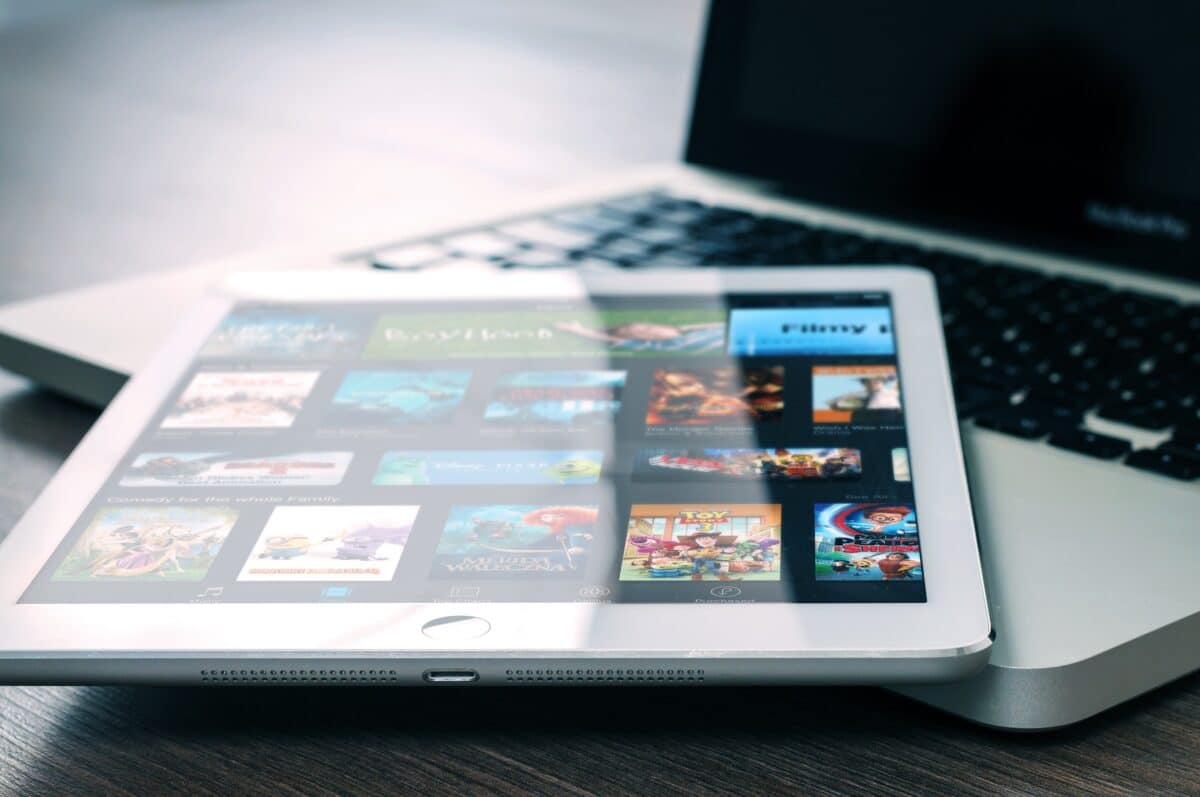
In the early days of Netflix, as a DVD-by-mail service, they gained a great deal of market
When internet bandwidth allowed streaming to fully take off, people swarmed online to stream things directly to their TVs, devices, and phones. The catalog was expansive and included TV shows and movies from a variety of networks. That was Netflix’s real value. Netflix raked in the money from subscribers. Thanks to tools like a VPN that works with Netflix, people were (and still are) able to watch content from all over the world. Networks and movie studios realized that they were missing out on a big chunk of revenue and started to slowly pull content away from Netflix. This has also sparked the latest incarnations of a variety of streaming services from these large companies that own all this content. Disney is launching Disney+ and AT&T Time Warner is also launching their own streaming service. Hulu was created by a variety of studios to compete with Netflix. CBS stayed out of the Hulu party and kept their shows on their own platform. Amazon has Prime Video now too. Prestige channels like HBO, Showtime, and Cinemax never bothered with streaming and
Netflix and Hulu together made having a cable subscription unnecessary for many households and especially for younger people. Why pay $150 for cable when you could get all the content a little while later for $9.99 on Netflix? Netflix set content free but it only worked as long as companies were willing to license that content and now they aren’t and Netflix has known this for some time.
The increase they’ve had with their original shows is creating a content catalog that is not dependent on licensing deals and ever-increasing license fees. Now as companies pull off content to juice their own streaming platforms,
Netflix and streaming were supposed to set content free from high-priced cable and allow us to watch whatever we want, wherever we want, whenever we want. However, you might have noticed that many of your favorite shows are going to be disappearing from Netflix. That is because streaming is broken, not innovative, and suffers from a distinct lack of competition because there are only a few services and getting the content means working with an ever-smaller group of companies who control almost all created content.
These companies don’t want multiple services to have their shows. Why not? Because that would disincentivize viewers from subscribing to their platform. They want those subscription dollars and they will use exclusive shows to woo people onto their platform.
Streaming is broken and unlikely to be fixed anytime soon. Here’s a great video on how the economics of intellectual property have broken streaming and why Netflix may be doomed.
Discover more from The Cameron Journal
Subscribe to get the latest posts sent to your email.