

Every business should know how to handle staff safety in the workplace. Taking good care of your staff is a must to protect their physical and mental health.
If you lack the knowledge of how to care for your warehouse staff to keep them as safe as possible, here are some tips.

Photo by Tiger Lily: https://www.pexels.com/photo/men-walking-in-a-warehouse-4481323/
Use cranes for heavy lifting
Although your warehouse business might already have heavy lifting facilities, there might be some items that are impossible to move with your machines and your staff. Therefore, is a good idea to hire cranes for the heaviest objects.
A heavy lift crane can help with the most challenging items. Avoid lifting things yourself with your own equipment as a crane will guarantee to get the task done sooner and safer. However, to maintain this level of safety and reliability, it is equally important to keep lifting equipment properly maintained. Regular inspections and servicing help ensure that cranes continue to operate safely and effectively. For example, scheduling overhead cranes replacement when systems become worn or outdated can further enhance workplace safety and maintain efficient lifting operations.
Following strict guidelines
In every warehouse, there should be strict guidelines that you should set in stone for staff to follow. Many accidents happen around the warehouse, involving vehicle operations and heavy equipment movement. Therefore, it is important to put strict guidelines in place to that your staff are disciplined and know which procedures to follow.
You should ensure to equip staff with the right knowledge to ensure safe vehicle an equipment operation when they are working in the warehouse. If you find employees misusing equipment vehicles and not following your guidelines and you should make sure to warn them of the potential dismissal.
Avoid poor shelving
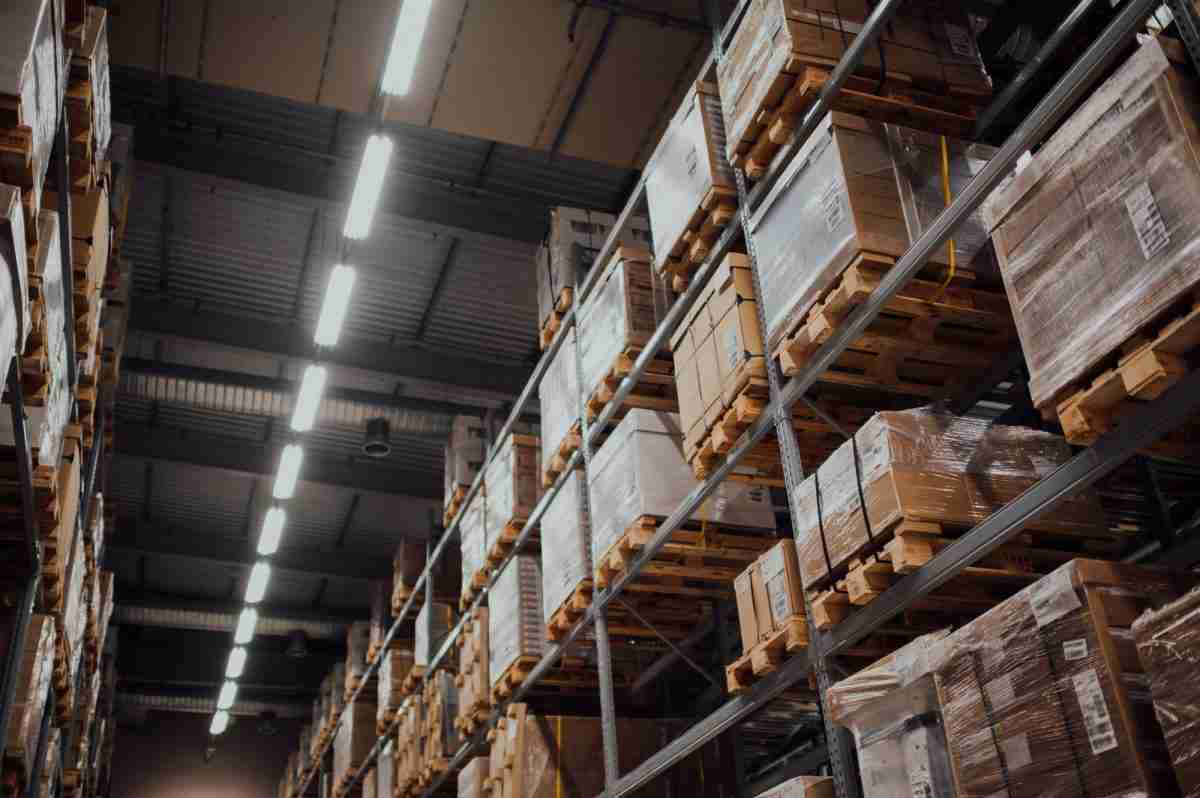
Every warehouse will have shelves and racks to house belongings, items, and tools. If these shelves and racks are old and broken, they can seriously harm staff. Someone could bump into a broken shelf, and the entire goods could fall on top of them. You should assess the condition of the shelves and racks in your warehouse. Plus, always make sure to stack them effectively and distribute products evenly to prevent shelves from falling or breaking, which could cause injury to your staff.
Improve flooring and wall protection.
Maintaining safe flooring and wall surfaces is essential in a busy warehouse environment where constant movement increases the risk of slips, trips, and impact damage. Materials such as diamond plate sheets UK, reinforced aluminium panels, and other slip-resistant metal surfaces are commonly used to strengthen high-traffic areas, including walkways, loading bays, ramps, and stair access points. These surfaces improve underfoot grip in environments where dust or moisture may be present, helping to reduce accidents while supporting efficient daily operations.
Wall protection is equally important in preventing injuries and limiting structural wear over time. Protective wall panels, corner guards, and impact-resistant cladding help shield surfaces from damage caused by trolleys, pallets, and moving equipment, reducing the risk of falling materials and unexpected hazards. When durable flooring solutions are paired with robust wall protection, warehouses create a safer and more controlled working environment that supports staff wellbeing and long-term operational reliability.
PPE
Another tip for improving your warehouse safety is to offer all staff members personal protective equipment. PPE is a law that all warehouse businesses should follow. It prevents people from getting injured. Items like the half face respirator mask are important to keep handy, in good condition, and ready to use.
All staff members should wear the correct footwear, eyewear, hats, and clothing at all times to prevent accidents. These items should be provided by the business each business owner should check that all staff members are wearing PPE before they start their shift.
Regular retraining
Although you will train your staff when they join your warehouse business, it is essential to continue retraining to refresh the minds of those who might forget some guidelines and rules.
Going over the best practises will ensure that every employee remembers the rules to keep themselves and their colleagues safe when working in the warehouse.
Following these simple tips, you’ll be able to enhance your warehouse staff’s safety and reduce the risk of potential injuries. It can be as simple as offering the right PPE to prevent an employee from getting seriously hurt in the warehouse.
Discover more from The Cameron Journal
Subscribe to get the latest posts sent to your email.


