Table of Contents
- Enhancing Navigation and Wayfinding
- Real-Time Space Availability
- Dynamic Pricing and Information Updates
- Advertising and Revenue Generation
- Safety and Security Enhancements
- Integration with Smart Technologies
- Environmental Impact and Sustainability
- Future Trends in Parking Digital Signage
Parking facilities are in the midst of a significant evolution as digital signage technology takes center stage. For drivers, finding a parking spot is no longer a confusing or stressful experience. Instead, advanced digital displays guide users through lots and garages, clearly communicating vital information and reducing wait times. Solutions such as parking garage signage for improved navigation and user experience are leading this impressive transformation.
These digital sign systems are not only shaping the way we park but also offering new opportunities for operators to optimize performance. By providing instant updates, managing occupancy, and delivering targeted content, digital signage enhances both efficiency and satisfaction for visitors, businesses, and facility owners alike.
Early adopters are witnessing improved operational workflow and increased customer trust, setting a new benchmark in the parking industry. As this technology evolves, parking facilities are expected to embrace even smarter tools and expanded capabilities. The impact of digital signage goes beyond the basics, touching user safety, environmental sustainability, and future potential for data-driven management and customer personalization.
According to recent reviews from respected industry analysts, digital signage is now considered a must-have for operators who want to provide seamless, high-quality parking experiences.
Enhancing Navigation and Wayfinding
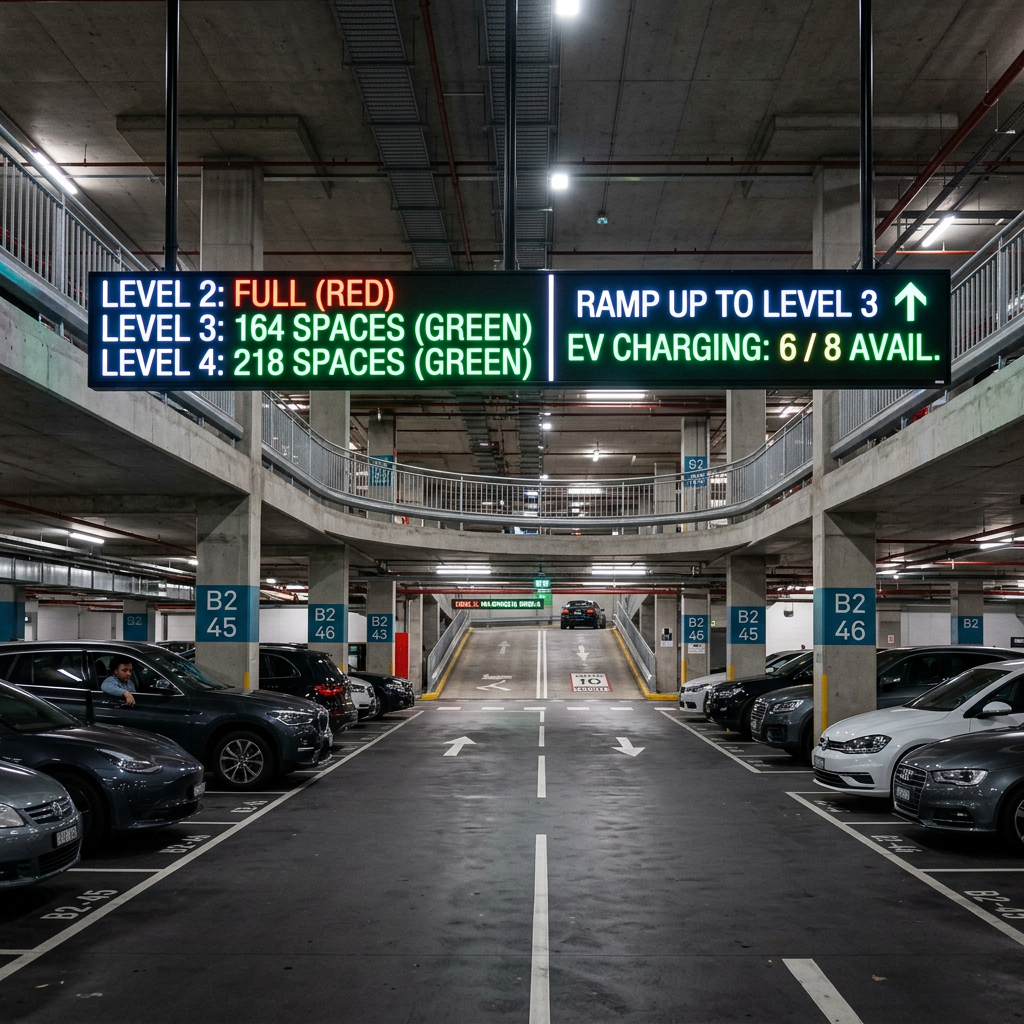
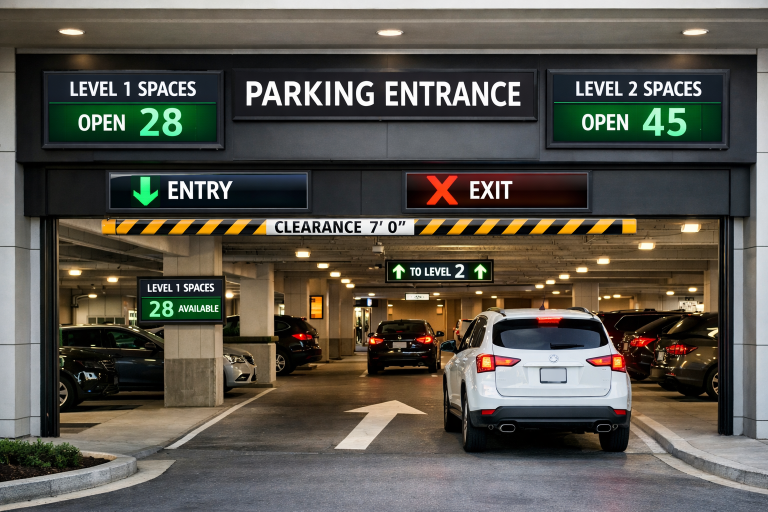
Clear and timely communication within parking garages directly impacts the user’s experience. Digital signage deployed at entrances, exits, and throughout facilities strategically directs drivers to open spaces, payment stations, and accessible routes. This level of guidance helps reduce vehicle congestion and improve traffic flow, cutting down the time spent searching for parking. In today’s fast-paced world, users expect effortless travel and parking, making quality wayfinding a competitive advantage for modern facilities.
Integrating real-time sensors and digital displays ensures accurate reflections of available spaces with up-to-the-minute precision. These connected systems use IoT technology to assess occupancy and transmit the latest data to drivers before they enter a lot or while navigating floors. This innovation trims unnecessary traffic, cuts fuel consumption, and supports users in making quick, informed decisions. Reduced road circling also lessens parking-related frustration and supports efforts to make urban mobility more efficient.
Digital signage makes it possible for parking operators to implement dynamic pricing models based on current demand and occupancy rates. This approach means rates can change depending on time of day, special events, or facility usage, optimizing revenue while encouraging timely turnover of spaces. In addition, digital signs can instantly alert users to rate changes, temporary closures, or other facility updates, keeping all visitors well-informed and reducing misunderstandings at critical moments.
Parking facility operators can unlock new revenue streams by using digital signage for third-party advertisements and promotional content. Well-placed screens in high-traffic areas introduce users to local businesses, special offers, or community announcements. This dual purpose benefits advertisers seeking targeted exposure while providing the facility with a consistent source of additional income. Modern digital displays can even tailor content based on time, demographics, or event schedules for improved effectiveness.
Beyond navigation, digital signs play a crucial role in ensuring user safety. Facilities use these systems to instantly alert visitors to emergencies, dangerous weather, or changes in security protocol. Guidance during fire drills, power outages, or other incidents can be communicated at a moment’s notice, helping visitors remain calm and find safe exits. Additionally, displaying reminders about theft prevention or pedestrian awareness creates a safer environment for all.
Modern parking solutions often integrate digital signage with mobile apps and smart infrastructure. Drivers can receive customized messages about their reserved spots, find directions on their smartphones, or use contactless payment systems linked to the facility’s signage. Some systems even support license plate recognition for automated entry and billing, providing a completely seamless experience. The interplay of these technologies sets the foundation for parking garages to evolve into truly smart facilities.
Environmental Impact and Sustainability
Streamlining the parking process does more than improve convenience; it has measurable environmental benefits. By minimizing the time and distance spent searching for parking, these technologies help reduce fuel consumption and vehicle emissions, contributing to better air quality. In addition, energy-efficient digital displays replace paper-based systems, supporting long-term sustainability goals and reducing operational waste. These efforts are aligned with broader smart city initiatives promoting eco-friendly transportation systems.
Future Trends in Parking Digital Signage
The future of parking facility management will be shaped by further integration of advanced technologies like artificial intelligence, machine learning, and augmented reality. Digital signage is expected to become even more interactive, providing users with hyper-personalized messages or real-time augmented overlays for complex sites. Data analytics will track patterns in customer behavior and facility use, helping operators make data-driven decisions for ongoing improvement. As digital transformation accelerates, these trends promise a smarter, safer, and more enjoyable parking experience for all.
In conclusion, digital signage is revolutionizing parking facilities by enhancing navigation, improving operational efficiency, boosting safety, and allowing integration with smart technologies. As facilities continue to adapt, these innovations are expected to set new standards in customer service and sustainable urban mobility.
Discover more from The Cameron Journal
Subscribe to get the latest posts sent to your email.