
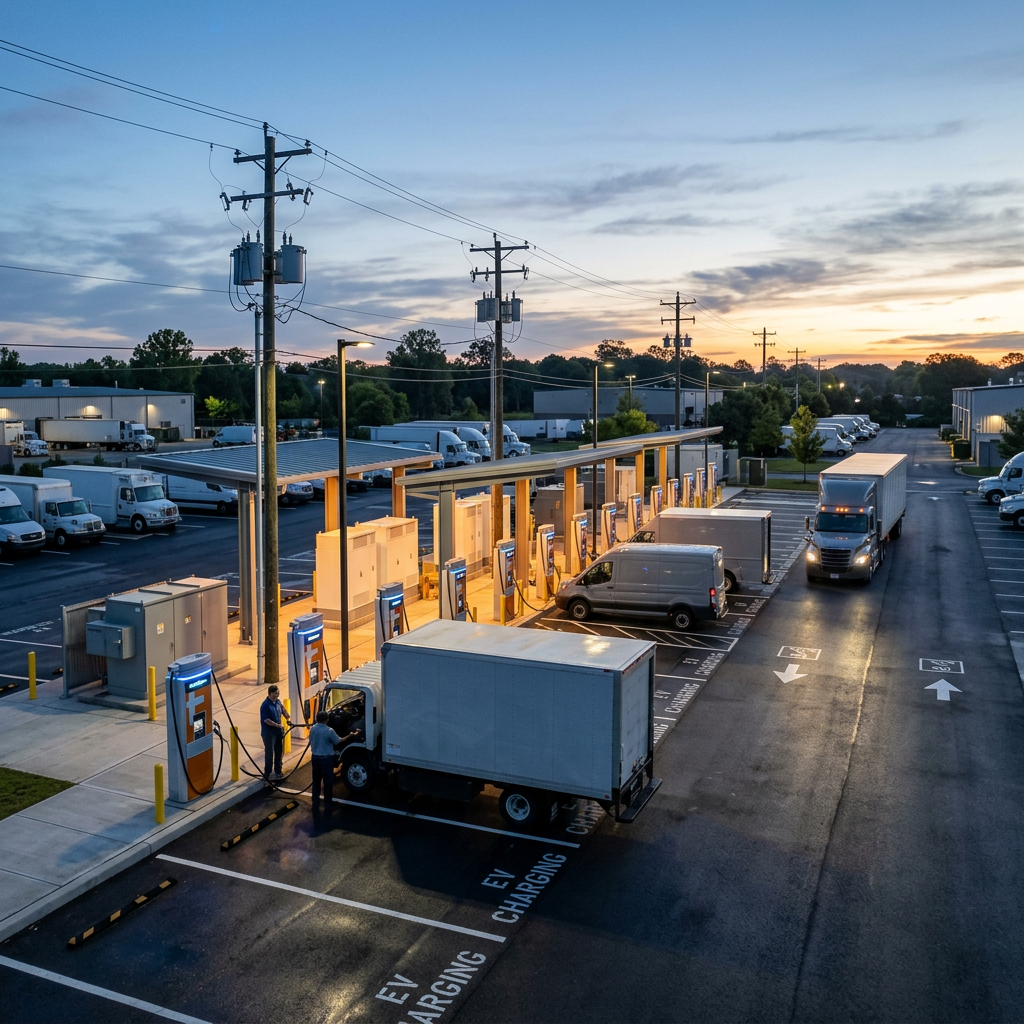
The experience of using an electric vehicle depends not only on battery capacity but also on how conveniently and reliably the battery can be replenished. EV battery charging infrastructure must align charger power, vehicle compatibility, site electrical capacity, and the driver’s journey or fleet schedule. Equipment selection is only one decision in a wider infrastructure project. Design teams should distinguish what the equipment can do in principle from what the complete site is configured and approved to do. The central design task is to connect the selected equipment with a clear site requirement.
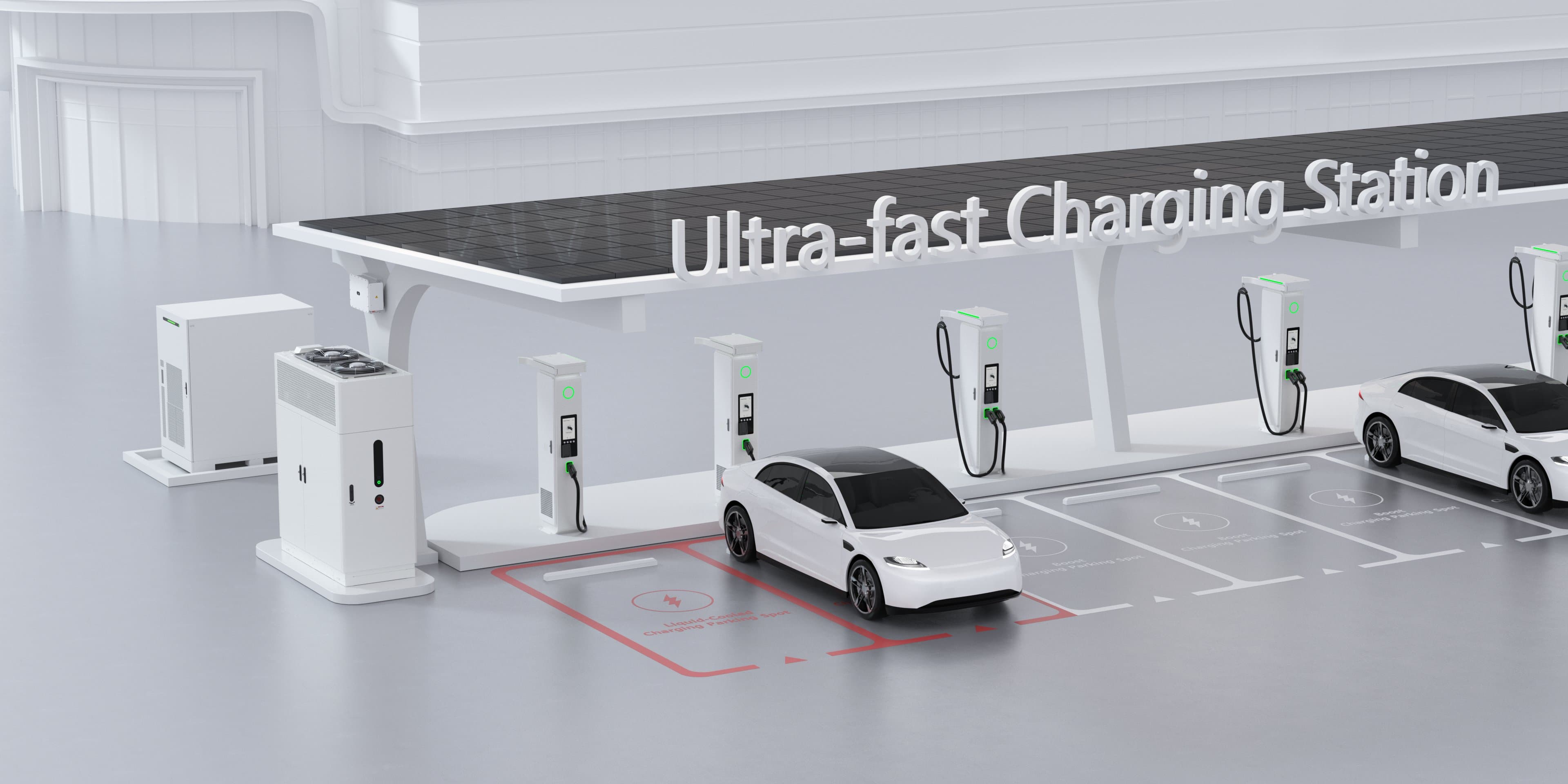
System context for planning and operating 智能充电网络 solutions.
Design the complete power architecture
A charging station includes the grid connection, switchgear, power conversion equipment, cables, dispensers, communications, and protection. The design must account for voltage range, current, cable length, power sharing, environmental conditions, and the vehicle interface. A charger rating on its own does not show how the site will perform when several vehicles are connected at once.
Measure throughput rather than nameplate power alone
The business value of a charging site depends on completed sessions, energy delivered, vehicle turnaround, and the cost of maintaining the equipment. High nominal power does not guarantee high utilization if vehicles arrive at the same time or cannot accept the available rate. Operational data helps refine charging windows and future capacity decisions. For a closer look at the solution scope, review EV battery charging and consider how its documented functions fit the site layout, electrical interfaces, and operating plan.
Plan maintenance before the first fault
Routine inspection, cleaning, firmware updates, component replacement, and emergency isolation all require time and access. The maintenance plan should identify who performs each task, what redundancy remains, and which spares must be held locally. A maintainable design is easier to keep reliable over its operating life.
Build a phased expansion path
Charging demand often grows as more vehicles enter service. A phased plan should reserve space, cable routes, switchgear positions, and utility capacity where feasible, while making each stage independently safe and usable. Expansion triggers should be tied to measured utilization and fleet plans rather than optimistic assumptions. Performance should always be assessed against the actual installation conditions and the complete system boundary.
Start with vehicle duty cycles
A charging site for commercial vehicles should be designed around when vehicles arrive, how long they remain parked, and when they must return to service. A depot with predictable overnight dwell time has different requirements from a highway site serving vehicles that need short stops. Fleet schedules help determine the number of dispensers, charging power, and queue management strategy. A project specification for EV battery charging should identify the applicable configuration, installation limits, commissioning checks, and service responsibilities.
Make vehicle compatibility explicit
Commercial fleets may include vehicles with different battery capacities, voltage platforms, connector arrangements, and charging limits. The station should be evaluated against the vehicles expected to use it now and those likely to join the fleet later. Clear compatibility information helps operators avoid investing in capacity that cannot be used by their actual vehicles.
Discover more from The Cameron Journal
Subscribe to get the latest posts sent to your email.