Image Credit: Unsplash
Infrastructure projects now face tighter schedules, denser communities, and stricter environmental standards. A site may need to accommodate heavy equipment, changing weather and nearby businesses while keeping delays and environmental impacts under control.
Smarter site management brings these pressures into one operating plan. It connects early assessments, daily monitoring and practical controls so project teams can respond before minor problems affect workers, neighbors or the construction schedule.
The New Blueprint for Growth
Modern infrastructure planning starts well before equipment arrives. Teams need accurate site surveys, clear traffic routes and baseline information about soil, drainage and nearby properties. Current construction industry trends also point toward digital modeling and real-time data as useful tools for coordinating complex projects.
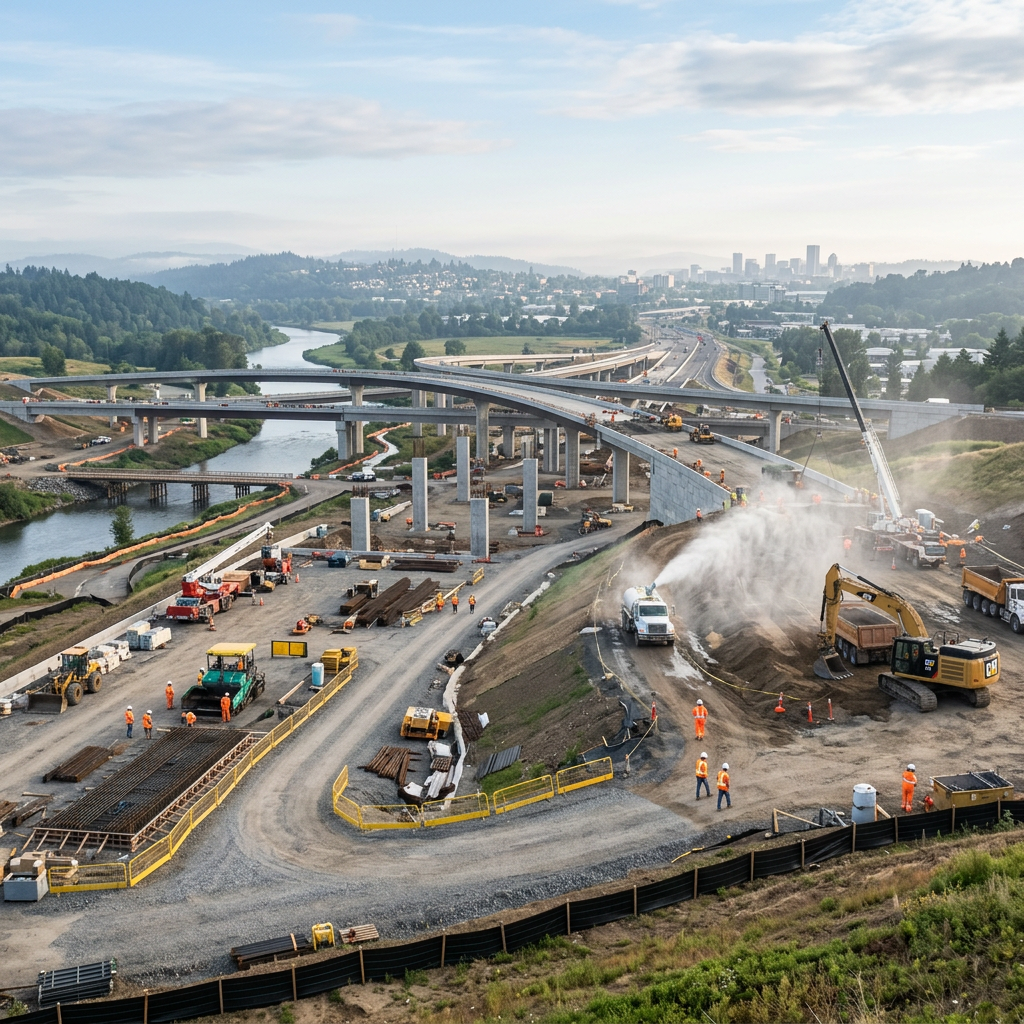
Environmental controls belong in this early plan. On sites with exposed soil or harsh weather, tailored dust control measures can protect the land and support site stability. Project managers should identify high-risk zones, assign inspection responsibilities, and set measurable thresholds for corrective action. A shared site dashboard can then track weather forecasts, work zones and inspection results, giving supervisors a clear basis for daily decisions.
Hidden Risks on Active Worksites
Visible hazards often receive immediate attention, but overlooked risks can cause equally serious disruption. Poorly marked access routes, subcontractor overlap and temporary drainage failures may develop as the site changes. Industry guidance on hidden risk concerns shows why managers should examine logistics, coordination and operational dependencies alongside obvious physical conditions.
Short daily reviews help teams catch these issues. A supervisor might find that soil carried onto a public road reduces visibility, or that stored materials block an emergency route. Update the site map when work areas move, document near misses and give every contractor one reporting process. These habits create an accurate picture of current conditions instead of relying on plans prepared weeks earlier.
Effective Dust Control Protects Communities
Airborne dust can travel beyond a project boundary, especially during dry weather and strong winds. It may reduce visibility, settle on neighboring properties and create respiratory concerns for workers and residents. Waiting for complaints leaves managers reacting after trust has already been damaged.
Match the control method to the source. Water application may suit short-term traffic areas, while soil stabilization, surface cover or revegetation can support longer projects. Teams should also adjust vehicle speeds and limit unnecessary disturbance of exposed ground. Record weather conditions and inspect controls at the start of each shift. If wind increases or a treated surface begins to break down, pause the relevant activity and correct the problem before work resumes.
Long-Term Payoffs of Environmental Care
Good environmental management can reduce cleanup costs, prevent schedule interruptions and improve relationships with surrounding communities. Erosion control also protects finished drainage systems and helps keep sediment away from roads, waterways and neighboring land. These benefits continue after the busiest construction phase has ended.
Project owners should include restoration standards in contracts and inspect completed areas before closing the site. Photographs, soil records and maintenance schedules provide evidence that the work meets agreed requirements. Native revegetation or suitable ground cover may require follow-up watering and inspections over several months, so responsibility should remain clear after contractors leave.
A well-managed site leaves fewer loose ends. When the final inspection confirms stable soil, working drainage and established vegetation, the project is better prepared to serve its purpose without passing avoidable maintenance problems to the community.
Discover more from The Cameron Journal
Subscribe to get the latest posts sent to your email.