
Successful construction projects depend on more than high-quality materials and skilled workmanship. They also require appropriate equipment, reliable engineering assessments and thoughtful planning from the earliest stages. Whether a project involves removing an existing structure, developing a new building or improving outdoor facilities, every decision can influence safety, efficiency and long-term performance.
Advances in construction technology have created opportunities to complete demanding projects with greater precision and less unnecessary disruption. At the same time, careful structural assessment and innovative design solutions help ensure that completed developments meet their intended requirements. Understanding how these elements work together can help contractors, developers and property owners make better-informed decisions.
Improving Demolition Efficiency with Specialist Equipment
Demolition is often one of the most technically demanding stages of a construction project. Before new foundations, extensions or commercial facilities can be developed, existing structures may need to be dismantled safely. The methods used depend on the building materials, surrounding environment and scale of the work.
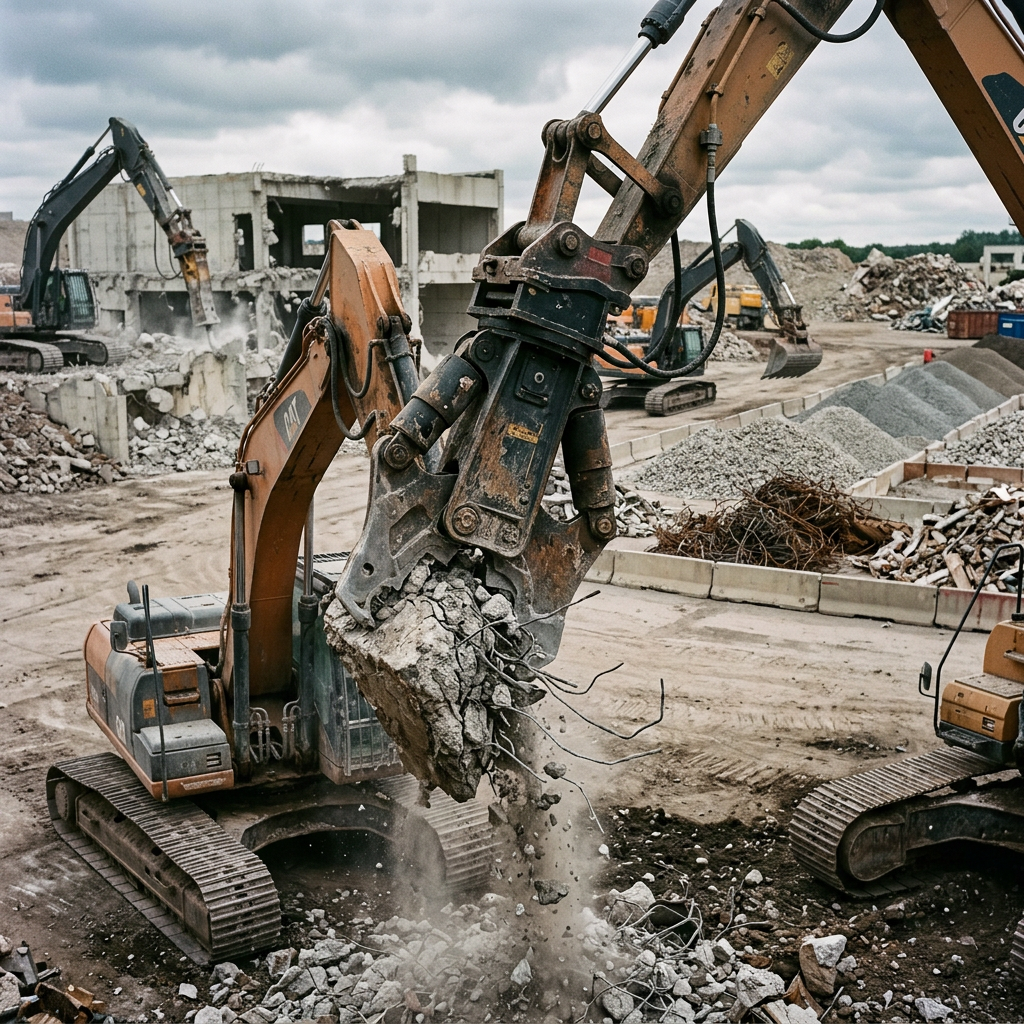
A concrete muncher is a specialist attachment designed to crush and break concrete structures into manageable pieces. Often fitted to suitable excavators, these attachments use powerful jaws to apply pressure to concrete, helping operators dismantle walls, slabs and other structural elements in a controlled manner.
Compared with some conventional demolition methods, concrete munchers can offer greater precision when removing specific sections of a structure. This can be particularly useful on restricted sites where nearby buildings, underground services or other sensitive features must be protected.
The equipment may also help separate concrete from reinforcing steel, making subsequent processing and material handling easier. Depending on the project, recovered materials may be suitable for recycling, reducing the quantity of waste sent for disposal.
Selecting appropriate demolition equipment requires an assessment of the structure and the work involved. Contractors should consider the thickness and strength of the concrete, the reach and capacity of the excavator, and the accessibility of the site. Operator training, equipment inspections and suitable exclusion zones are equally important.
Noise, vibration and dust must also be managed carefully, particularly when demolition takes place near residential properties or occupied commercial premises. A well-planned approach can improve productivity while reducing unnecessary risks to workers and the surrounding environment.
The Importance of Design Substantiation in Construction
While equipment helps deliver construction work on site, engineering assessments provide the evidence needed to establish whether a design is suitable for its intended purpose. Structural calculations, technical reports and supporting documentation can all contribute to a safer and more reliable construction process.
Design substantiation refers to demonstrating, through appropriate calculations, analysis, testing or other supporting evidence, that a proposed design satisfies its relevant performance and safety requirements. It is an important consideration across structural engineering, building design and specialist construction projects.
For example, when designing a steel frame, engineers need to establish that the selected members and connections can resist the expected loads. These may include the weight of the structure itself, the people and equipment using it, wind forces and other relevant actions. The design must also account for stability, deflection and the behaviour of connected components.
The process can be equally important when assessing alterations to existing buildings. Removing a load-bearing wall, introducing a new opening or changing the use of a space may affect how forces travel through the structure. Engineering calculations and appropriate investigations can help establish whether additional supports or strengthening measures are required.
Clear documentation is valuable because it allows contractors, building control professionals and other project stakeholders to understand the basis of the design. It can also help identify assumptions, limitations and any inspections or testing required during construction.
Design substantiation should be proportionate to the complexity and risks of the project. Engaging appropriately qualified professionals early can reduce the likelihood of costly changes, construction delays and uncertainty later in the process.
Expanding Outdoor Facilities with Sports Canopies
Construction improvements are not limited to buildings and infrastructure. Schools, sports clubs and community organisations increasingly recognise the value of outdoor facilities that remain useful in different weather conditions.
Installing sports canopies can provide sheltered areas for training, recreation and other outdoor activities. Depending on their size and configuration, these structures may cover spectator seating, outdoor fitness areas, school sports spaces or designated activity zones.
A canopy can help protect users from rain and direct sunlight, improving comfort and making certain facilities more versatile. For educational settings, covered outdoor areas may also provide additional space for supervised activities when indoor facilities are busy.
Choosing a suitable canopy involves considering its intended use, expected occupancy, available space and exposure to local weather conditions. Structural design must account for relevant wind loads, foundations, drainage and the materials used in the supporting frame and roof covering.
Safety and accessibility should remain central to the planning process. Clear access routes, suitable headroom and appropriate positioning can help ensure that the structure works effectively for different users. Depending on the design and location, planning permission and building regulations may also need to be considered.
Maintenance is another important factor. Regular inspections can identify damage, loose connections or drainage problems before they develop into more serious issues. Selecting durable materials and establishing a suitable maintenance schedule can help extend the useful life of the installation.
Building Better Projects Through Careful Planning
Demolition equipment, engineering verification and outdoor structures may serve different purposes, but they share a common requirement for informed decision-making. Specialist machinery supports controlled removal, design substantiation provides evidence of structural suitability, and sports canopies create additional opportunities for outdoor activity.
Bringing these considerations together from the beginning can help project teams manage costs, improve safety and deliver facilities that meet their intended needs.
Ultimately, successful construction relies on combining practical expertise with sound technical planning. By selecting suitable equipment, verifying designs and investing in well-considered facilities, developers and property owners can achieve more reliable results and create spaces that remain useful for years to come.
Discover more from The Cameron Journal
Subscribe to get the latest posts sent to your email.




