Creating an attractive, comfortable and energy-efficient property involves a combination of thoughtful presentation, practical improvements and informed decisions. Whether preparing a home for sale, investigating hidden maintenance issues or improving indoor temperatures, homeowners can benefit from understanding the options available to them. Small changes can influence how a property looks, how efficiently it operates and how enjoyable it is to occupy throughout the year.
From presenting interiors in their best light to identifying heat loss and controlling sunlight, several approaches can help property owners make better use of their spaces. By considering both appearance and performance, it becomes easier to create an environment that appeals to prospective buyers while meeting the needs of current occupants.
Understanding the Value of Professional Home Staging
First impressions can have a considerable influence on how people perceive a property. When prospective buyers enter a home, they often try to imagine themselves living there. A clean, organised and welcoming interior can make this process easier, helping visitors appreciate the available space, layout and potential of each room.
Working with house staging companies can help homeowners prepare their properties for marketing. These specialists focus on presenting rooms in ways that highlight their strengths and create a consistent visual impression. Depending on the property and budget, services may include furniture arrangement, accessory selection, decluttering advice and the temporary provision of furnishings.
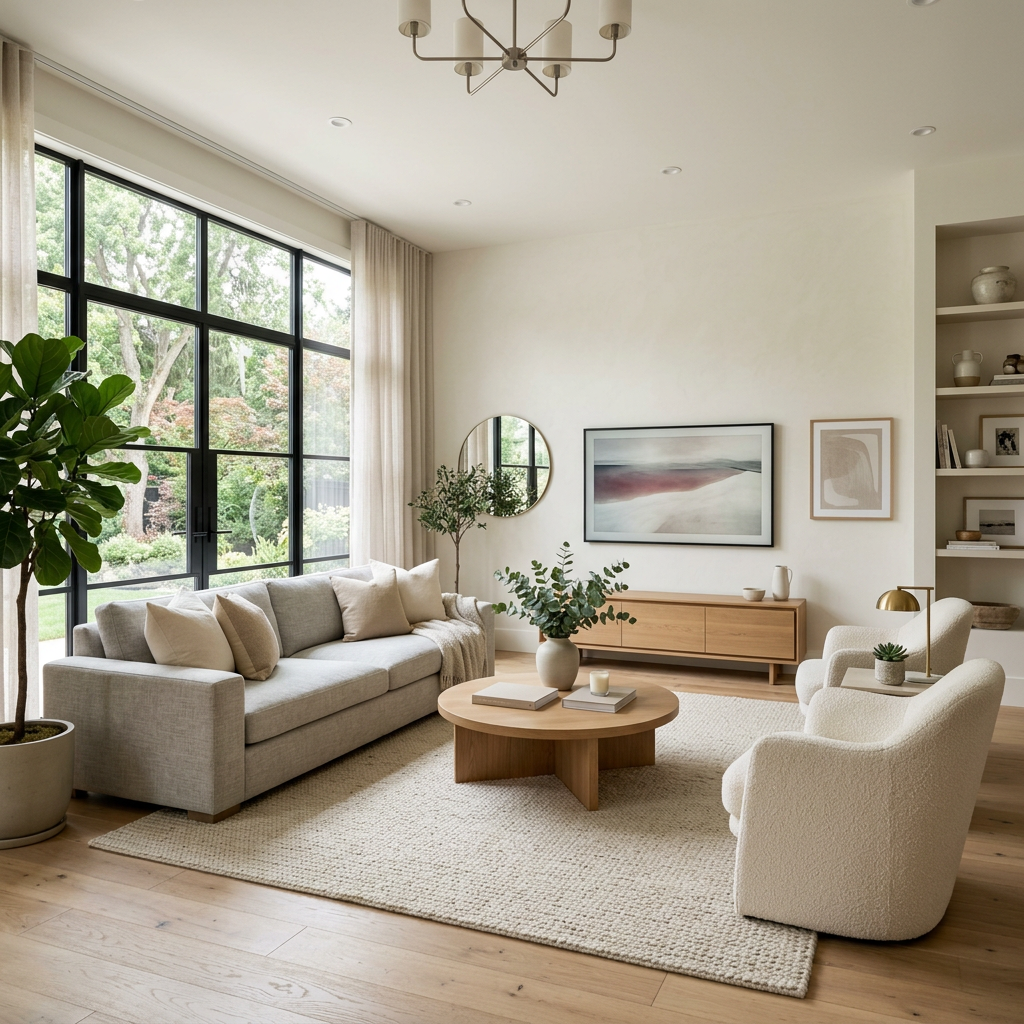
One of the main objectives of home staging is to help rooms feel spacious and functional. Excess furniture can make an otherwise generous room appear cramped, while carefully positioned pieces can improve movement and demonstrate how an area might be used. Neutral colours, coordinated accessories and suitable lighting can also create an inviting atmosphere.
Staging does not necessarily require a complete interior redesign. Sometimes, removing unnecessary items, rearranging existing furniture and introducing a few carefully selected accessories can make a noticeable difference. More extensive projects may involve hiring furniture or updating selected decorative features to suit the property’s target market.
Professional guidance can be particularly useful for vacant properties, where empty rooms may make it difficult for buyers to understand their proportions. Furnishings can provide a sense of scale and demonstrate the practical possibilities of bedrooms, living areas and dining spaces.
Homeowners should discuss the intended audience, available budget and marketing timescale before work begins. It is also important to remember that staging cannot resolve underlying structural defects or guarantee a particular sale price. Its purpose is to present the property clearly and attractively, allowing prospective buyers to assess its genuine potential.
Investigating Hidden Problems with Thermal Imaging
While presentation influences the way a property looks, its underlying condition is equally important. Heat loss, insulation deficiencies and certain moisture-related problems can affect comfort, maintenance costs and long-term performance. Unfortunately, some issues are difficult to identify through visual inspection alone.
Thermal imaging technology offers a useful way to investigate temperature differences across building surfaces. A thermal imaging camera detects infrared radiation and displays variations in surface temperature as a visual image. These patterns can help identify areas that may require further investigation.
For homeowners, landlords and property professionals looking to hire a thermal imaging camera, understanding the intended application is an important first step. The equipment may be used to investigate suspected heat loss around windows and doors, assess potential insulation gaps or examine temperature variations associated with heating systems.
Thermal imaging can also assist appropriately trained professionals when investigating certain electrical or mechanical problems. However, the suitability of the equipment depends on the task, and specialist applications may require particular camera specifications or operator expertise.
Interpreting thermal images correctly is essential. A temperature difference does not automatically confirm a defect, and results can be influenced by weather conditions, indoor heating, surface materials and reflections. For building assessments, suitable temperature differences between indoors and outdoors can improve the usefulness of the images.
A thermal camera also cannot see directly through walls or identify every hidden problem. Instead, it measures surface temperatures that may indicate areas worth examining more closely. Suspected defects should be assessed using appropriate inspection methods before remedial work is recommended.
Improving Indoor Comfort with Exterior Window Blinds
Windows provide natural light and views of the outdoors, but they can also allow unwanted solar heat to enter a property. During warmer months, rooms with large windows or south-facing glazing can become uncomfortable, particularly when sunlight reaches living areas for several hours each day.
Exterior window blinds uk are worth considering for properties where controlling sunlight and indoor temperatures is a priority. Installed outside the glazing, these blinds can intercept a proportion of solar radiation before it passes through the glass, helping reduce overheating.
External blinds are available in various designs, including adjustable slats, retractable screens and systems that can be operated manually or electronically. The most suitable option depends on the building’s appearance, window dimensions, exposure to weather and the level of control required.
Adjustable blinds allow occupants to balance shading with natural daylight. This can be useful in home offices, where glare on computer screens may affect concentration, or in bedrooms and living rooms where excessive sunlight can cause discomfort.
Material durability is another important consideration. Outdoor blinds must withstand wind, rain and prolonged exposure to sunlight. Homeowners should check manufacturer guidance regarding wind resistance, cleaning requirements and maintenance intervals before selecting a system.
Installation also needs careful planning. The fixing method must be appropriate for the building’s structure, and electrical connections may be required for motorised products. In some properties, planning restrictions or building management rules may affect the options available.
Bringing Property Improvements Together
Home staging, thermal imaging and external shading address different aspects of property ownership, but they can complement one another. Staging helps create an appealing presentation, thermal imaging can assist investigations into building performance, and exterior blinds can improve comfort during sunny weather.
By assessing priorities carefully and seeking professional advice where necessary, property owners can make informed decisions about which improvements offer the greatest practical benefit.
Ultimately, a successful property strategy considers both appearance and functionality. Combining attractive presentation with sensible maintenance and energy-conscious upgrades can help create spaces that are welcoming, comfortable and better prepared for the future.
Discover more from The Cameron Journal
Subscribe to get the latest posts sent to your email.