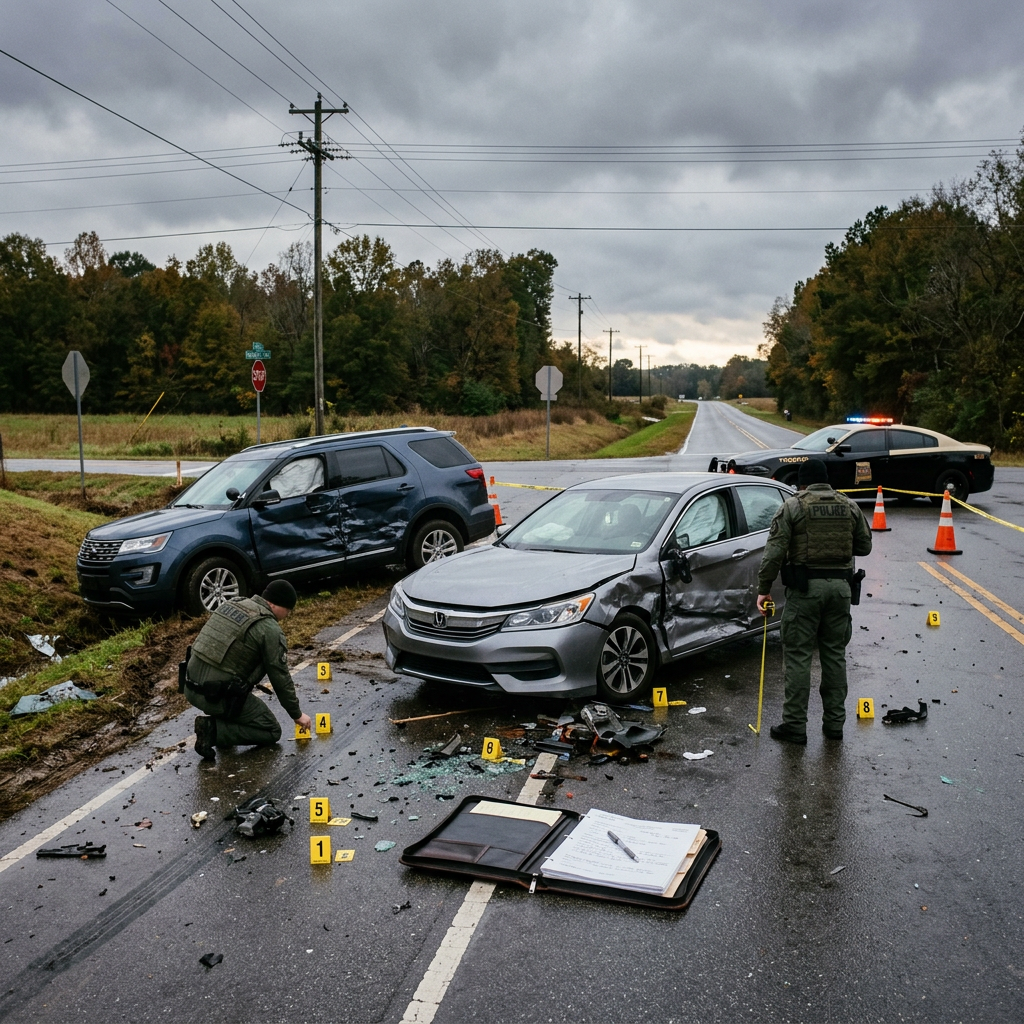
Disputed liability can turn a straightforward car accident claim into a much slower argument over what really happened. Insurance companies may question fault even when one driver feels certain the other person caused the wreck. That is why accident attorneys spend so much time testing statements against physical evidence instead of treating the first story in the file as settled fact.
The Insurance Company Is Not Accepting Full Responsibility
Because insurers evaluate claims with their own financial exposure in mind, they may accept part of the story without agreeing that their driver carries all the blame. Adjusters might argue that the injured person was speeding, following too closely, or reacting too slowly. Drivers looking for an auto accident lawyer near me may need someone to ask what evidence actually supports that position instead of letting the insurer’s conclusion stand on its own.
The Drivers Give Different Accounts of How the Crash Happened
One driver may say the other changed lanes without warning, while the second driver insists both vehicles stayed in place. Memory can be affected by stress, viewing angle, traffic, and the speed of the collision. Someone searching for a car accident attorney near me may need help comparing those stories with damage patterns, road marks, video, and other records that do not depend on memory alone.
Another problem appears when each person is confident about a different version of the same few seconds. Confidence does not prove accuracy, so a lawyer may look at where the vehicles were hit, where they stopped, and whether either story fits the physical layout of the road. Scene photos taken before the cars move can be especially useful because they preserve details that disappear once traffic starts moving again.
Both Sides Believe the Other Driver Caused the Accident
Images, dashcam footage, traffic-camera video, and vehicle damage can become more important when both drivers point at each other. Side-impact damage may support one account, while a long scrape along a vehicle can suggest movement that does not match another. Accident attorneys may also compare statements made at the scene with later insurance interviews to see whether important details changed.
Sometimes a dispute has less to do with dishonesty and more to do with limited perspective. Left-turning drivers may never see what happened behind another vehicle, while someone approaching an intersection may miss a signal change because traffic blocks the view. Legal counsel can place each statement beside the available evidence and separate what a person actually saw from what they assumed happened.
The Evidence Does Not Clearly Point to One Person at Fault
Alabama’s contributory negligence rule makes uncertainty about fault especially important because a finding that the injured person contributed to the crash can bar recovery on a negligence claim. Even a small allegation about speed, distraction, lane position, or right-of-way can therefore become a major issue. People searching for accident attorneys near me may need legal review before an insurer turns an unclear fact into a full blame defense.
The Police Report and Driver Statements Do Not Fully Match
Police reports can be helpful, but responding officers usually arrive after the impact. Officers may rely on driver accounts, road conditions, vehicle positions, damage, and witness information available at the scene. Later evidence can show that a diagram, direction of travel, or short narrative does not capture the full sequence of the car accident.
Dashcam recordings, repair photographs, 911 audio, body-camera footage, or nearby surveillance can add details the officer never had. Lawyers may compare those sources with the report rather than assuming one document answers every question. If the report contains a factual mistake, other records can help show why the broader evidence points somewhere else.
The Insurer Claims You May Share Some of the Blame
Repair evidence can become very important when the insurer argues that both drivers made mistakes. Impact locations, wheel damage, paint transfer, and hidden structural damage may help explain how the vehicles moved before and during contact. Experienced auto accident lawyers can also look at lane markings, sightlines, weather, traffic controls, and braking evidence before accepting a shared-fault theory. The injured person’s earlier statements may receive close attention too, since casual comments about being tired, looking away, or not seeing the other vehicle can be pulled into a larger argument about responsibility. Counsel can put those words back into context by comparing them with the rest of the file rather than letting one sentence carry the entire dispute.
More Evidence Is Needed Before Fault Can Be Sorted Out
Witnesses, digital records, vehicle data, photographs, and video may turn an unclear claim into a much more understandable one. Nearby businesses can sometimes have camera footage, while navigation records or electronic vehicle information may help establish timing and movement. Good investigation is usually less dramatic than television suggests, since actual cases tend to depend on timestamps, records, and physical details rather than surprise confessions.
Wolfe Jones can help with an auto accident when liability remains disputed and the insurance company is unwilling to accept the injured person’s version at face value. Their accident attorneys can compare driver statements, police information, scene evidence, vehicle damage, available video, and other records to identify where the competing stories hold up or fall apart. With that fuller picture, the claim can move forward based on evidence rather than whichever version reached the insurer first.
Discover more from The Cameron Journal
Subscribe to get the latest posts sent to your email.