Everyone was rocked by the Social Dilemma this past summer. I wanted to wait to write about it until some of the hubbub had passed and everyone had time to watch it and digest it. For the unfamiliar, the social dilemma breaks down the business and motivation of social media companies. Their most important contribution was really analyzing how user data is mined for advertising, manipulation, and profit. The main person profiled in the film was Jaron Lanier and he has been railing against these companies for years.
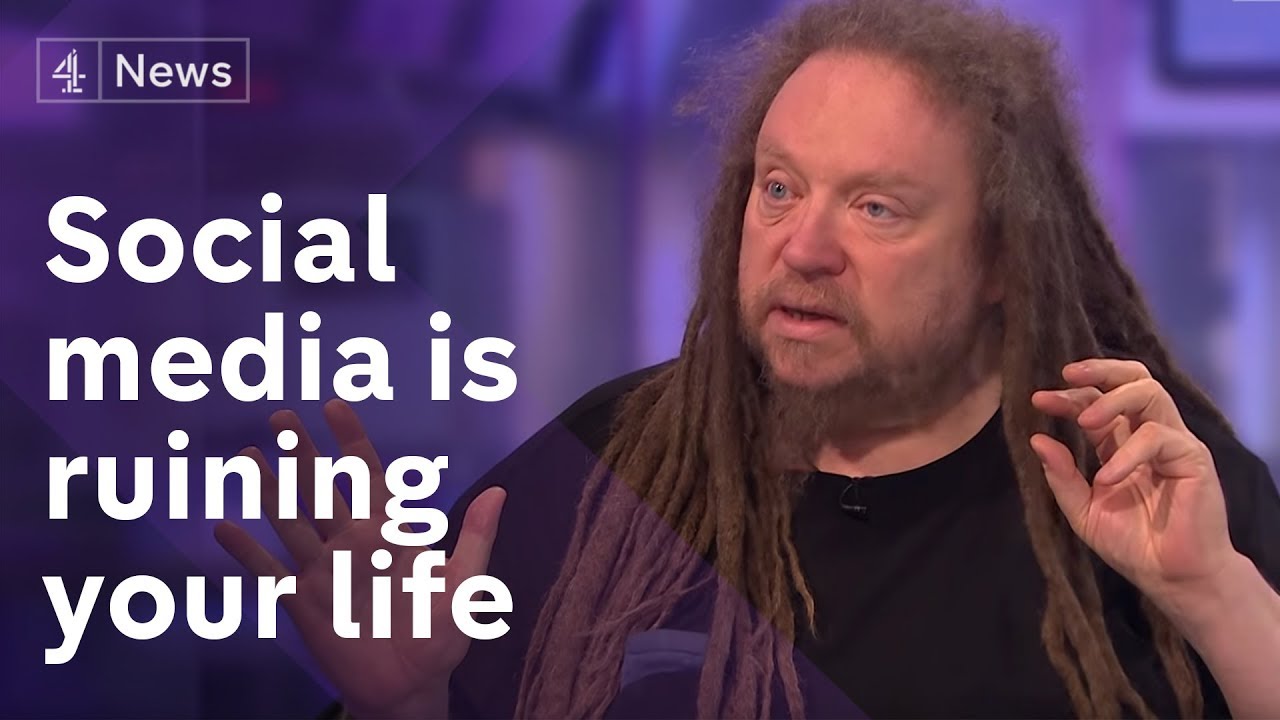
His advice to everyone? Deleted your social media accounts. That might seem drastic but the reality is that social media companies use their users for profit. The price of social media, is ourselves.
How Social Media Changed the World 12 years On
it is hard to imagine a world without social media. Especially, after 4 years of President Trump governing the country via tweet, it is hard to imagine a world where the only place to get news was from a newspaper or television at certain times of the day. Some of us are old enough to well remember this world. For those of us who are in our early 30s and older, social media didn’t really arrive until college or our 20s.
In the intervening years, we’ve posted about our lives, uploaded pictures, played games, and had toxic arguments on these platforms. We’ve posted our hot takes to Twitter and pinned our dreams on Pinterest. We’ve danced on TikTok and taken hot selfies on Snapchat and Instagram. We’ve chatted on Facebook Messenger and Whatsapp. We’ve talked on Kik and more. All the while, we’ve been feeding these companies invaluable data about ourselves. Facebook can predict if you’re pregnant better than a pregnancy test and push ads accordingly. All the while, no one has never given much thought to this data. From time to time privacy experts have raised alarms about data. The EU passed the GDPR to make companies be more honest about this data but no one has asked the question, is it right to be collecting all this data about people and selling or using it for ads? Is it something we want in our society?
It is important to remember that social media itself didn’t become the juggernaut of media it is today without one other crucial invention: the smartphone. Without the smartphone, social media would still exist in the realms of desktops and laptops (as it did when I was in college), most people didn’t have smartphones until 2010-2011 in my circle and I was one of the first to get one. I arrived at college in 2007 with a flip-phone like everyone else. I left grad school with an android smartphone with social media apps as the most frequently used apps on my phone. I later switched to an iPhone and haven’t looked back.
It is hard to imagine that a website a Harvard dropout made to meet girls has helped facilitate at least 2 genocides (that we know of) and has nearly broken the discourse of politics in connected countries. As the documentary points out, never before in human history have a handful of people working on design and algorithms affected the lives of billions of people. These 50 people, those who make these platforms and decide how they work via their control over these platforms have profound effects on our lives. The lack of diversity of those people is to be expected. They are white, come from fairly privileged backgrounds, and are almost exclusively male.
Social media also killed the open web. In pre-social media times, forums, message boards, and Reddit (which predates social media) was the place to find links to stuff you were looking to find. This was primarily interest-based and like so many things in the digital world, adult content led the way. People created content on websites and later blog builders (LiveJournal was popular and so was Blogger) and people would share the link or post about it themselves. This is the system Tumblr used to get going in the early days. However, when Facebook and Twitter arrived, suddenly these conversations and links were getting posted on these platforms exclusively. Forums lost their primacy for social contact online. Forums still do exist and many are robust, especially if the content can’t be easily talked about on main social media platforms. For publishers of content, social media soon turned from a new way to talk to readers to a major threat to established business models as the world moved online. Newspapers, TV stations, and other media outlets struggled to adapt to this new reality and adjust their business to accommodate it.
Google and Facebook sucked up all the advertising dollars and now control 75% of all advertising online. This was not a big problem when Facebook was algorithm free and content could easily move around the platform. Once the algorithm kicked in, publishers were forced to start shelling out millions to reach all their followers and readers. Social media has become the walled gardens through which people find almost anything online. If you’re searching, it’s off to Google. If you find a new company you might like them on Facebook or shop with them on Instagram. This is not what the pioneers of the internet intended to happen. All of this has grown far larger than just websites providing digital services. These are major platforms and in some cases, utilities without which society would not be able to function. For people in the arts, having a social media presence isn’t an option, it’s required. Businesses, schools, and governments have adapted to use Facebook Groups and Google services in nearly everything. In December, there was a small Google outage that lasted only several minutes but for those minutes there was no search, no Youtube, and no Google documents, spreadsheet, or drive. If it had happened for longer or during the working day, this would have been crippling.
Our society is falling apart….is that all bad?
The dramatic effect of social media on our society is profound. Social media has become the public commons. We have national conversations on social media. This has its advantages and disadvantages. On the one hand, social media has been us more polarized conversely, social media has given a great voice to people than ever before. How would movements like #metoo or Black Lives Matter have gotten off the ground without the groundswell of social media? How much of our societal discourse just simply wouldn’t be happening without social media.
Society is changing and the old wounds and old systemic issues that have been ignored or simply not covered have come to light. In some weird way social media has shown a light on almost every corner of our society. If social media has shown us anything, its that our society is broken and falling apart. We are in a major state of transition from world to another and millions are being left behind. We simply cannot go on as we always have been. The system must be changed. This is one of the uncomfortable truths of our time. Americans have gone online and found that things don’t really match up with what they thought they knew. Younger folks have figured out that healthcare is free in the developed world and college doesn’t need to cost decades of debt. Most importantly, the voiceless have a platform and they are using it.
Social media has given voice to marginalized voices that often would have never been heard from before. Social issues bubbling underneath the surface of “normal society” are popping up all over and it is radically changing our view of the world and how the world works. For many, this is uncomfortable and causes an angry reaction. The social media companies use this of course to drive engagement. This can cause depression and mental health problems. We humans rely on understanding what is going on around us to feel safe and social media reminds us that the world remains a scary and dangerous place. This is the fundamental problem with social media. This is what social media is really destroying: our shared myths and stories.
Myths and Stories
As a writer, I always look for the story in things. Back in the talk show days, I advised my audience that one must read the news critically and look for the narrative. Once you understand the narrative, much becomes clear. Society operates in a similar fashion. Countries and cultures have the stories that they tell themselves. Here in the United States, we have myths about our Founding Fathers and we tell ourselves a story about the revolution and overthrowing the British. Much of the story we have created for ourselves has little to no basis in the reality of the time but it is our shared story about the founding of our country. The Founders have become these mythological figures with some kind of enduring wisdom that must be honored and respected. To some degree, they are our American gods. We also hang onto the great American myth that anyone can arrive on this shore and with hard work and sacrifice achieve great things and become wealthy. This is the foundation of Steinbeck’s infamous phrase, “temporarily embarrassed millionaires.” Statistically, this has been rarely true but the myth of its possibility informs almost all aspects of our politics. This is the sort of thing that culture, shared values, and shared reality are built on. The problem is that often these myths are challenged by those who were not included in the myth or who can’t share in it or feel apart of the overall story. These myths also create a shared reality.
Shared Reality
Social media’s biggest crime is the breakdown of a shared reality. When news was controlled by a handful of outlets and a handful of corporate owners, what appeared in newspapers, magazines, and on television created a shared reality for the world. When Cronkite sat on television and announced that the American people had been lied to about Vietnam, the war ended shortly thereafter. When the Watergate scandal broke, it ended a Presidency and when we discovered the sexual proclivities of President Clinton, Monica Lewinsky became famous for all the wrong reasons. We watched shows on cable, listened to popular music on the radio and there was a sense of “what was going on” and what was “happening in the culture.” Critics of media as far back as the 1960s complained about the homogenization of media and culture via television. I wonder if they would think it is so bad now given what we have to deal with.
Culture now is completely balkanized. The conversations about culture are happening online via Twitter and Facebook groups and comment sections. They are happening in YouTube comment sections. One good video can radically change the perception of politicians and public figures. People have the freedom to tell their stories. Marginalized groups can find their voice and have it be heard in a loud way. We’ve seen this in women’s rights and in racial minorities. However, we aren’t all watching the same TV programs. We aren’t listening to the same music. Thanks to the advent of streaming, we aren’t seeing the same movies anymore. Culture has become deeply individual.
On the one hand, this allows creators to gain audiences like never before. The downside is that we often don’t have much in common with the person sitting next to us at a stoplight or standing (in a socially distanced) line at the bank or the post office. We probably don’t watch the same shows or listen to the same music. It makes it hard to find common ground when there’s just not much in common. Social media encourages us, through algorithms to seek out people who are similar to us. The Social Dilemma put this in context through its interstitial re-enactments that end in the young man of a family getting caught up in a white hate group sort of environment. He goes to a protest and ends up on the ground with a bloody nose after an interaction with the police. Although these skits are terrible, this has happened in real life. Young people do get radicalized online. People get radicalized online and before you know it, you have an argument breaking out between Progressives and Liberals and Trump supporters and everyone else. This is one of the reasons it is so hard to have political conversations today. Social media algorithms don’t expose us to what we need to read, they expose us to what engages us and keeps us on the platforms and that is often more of the same of whatever we’ve been reading before.
Social Media and Humanity
In the tech world there is no humanity, no ethics, and most of people who do the work avoided classes in college that would teach them these things. When it comes to social media we never asked, “should we do this?” We simply plowed forward because we could. Effects on democracy and other consequences were never even considered. Online bullying, content moderation (in languages), and other considerations weren’t ignored, they were never considered in the first place. Facebook, Twitter and the rest weren’t trying to be evil, they just were used for evil. As this New York Times article states, Russia didn’t have to hack Facebook to affect the 2016 election, they just used the platform and dumped money into it. Cambridge Analytica didn’t do anything illegal, they merely bought data that was on the open marketplace to be used. They found an ingenious way to use it.
That’s the danger of any technology, the technology itself is usually neutral it is how it is used that makes the difference. When I look at these problems I don’t see broken platforms I see broken people. Social media has laid the issues and fissures in our society bare for all to see. We have been shocked to discover that racists still exist 50 years after the civil rights act and the march on Washington. Instead of people in small groups being racist in their town or city and not really mobilizing in greater numbers, social media has allowed grifters to mobilize them, organize them, and begin political action. We need to look no farther than the Proud Boys and the various militias in every state to see this effect.
Facebook started with a noble goal: to help people make connections. It seems innocuous enough but the reality of it has meant a far greater reach of those connections than anyone could imagine and that any human could comprehend. This has allowed all sorts of people to meet and find validations for the most positive and most dangerous ideas that they might have. Social media has amplified voices that have no business in a civilized and democratic society.
While social media has revolutionized the way we communicate and share ideas, it has also created a breeding ground for harmful behavior, misinformation, and even criminal activity. When online interactions escalate into real-world consequences, having a trusted criminal lawyer on your side can make all the difference. They can help handle complex legal situations, ensuring your rights are protected and providing crucial guidance during challenging times.
These platforms have given them public airing and have allowed outright lies to spread like wildfire. This is the danger of free speech and I say that as a radical first amendment person. No matter what, free speech should not harm others and it has become clear through both the business model and the fomenting of political violence around the world that social media platforms are causing real harm.
How Shall We Socialize?
The idea that Jaron Lanier puts forth is compelling. Let’s just all delete our social media accounts. However, this probably wouldn’t be universal and there’s plenty of content we’ve grown used to seeing and experiencing. A world without social media would be less rich for many people. Most of the people that read this will have arrived to it via social media. Social media is here to stay. It is apart of our lives. We now must force the companies that own it to adapt to being in a civilized society. We should not have to continue to endure their rules and their ideas only. It is time to regulate social media companies and treat them like the behemoths that they are and make sure that they aren’t actively harming society. For too long we’ve simply let them go along and it is time that changes.
Discover more from The Cameron Journal
Subscribe to get the latest posts sent to your email.