Image Credit: Unsplash
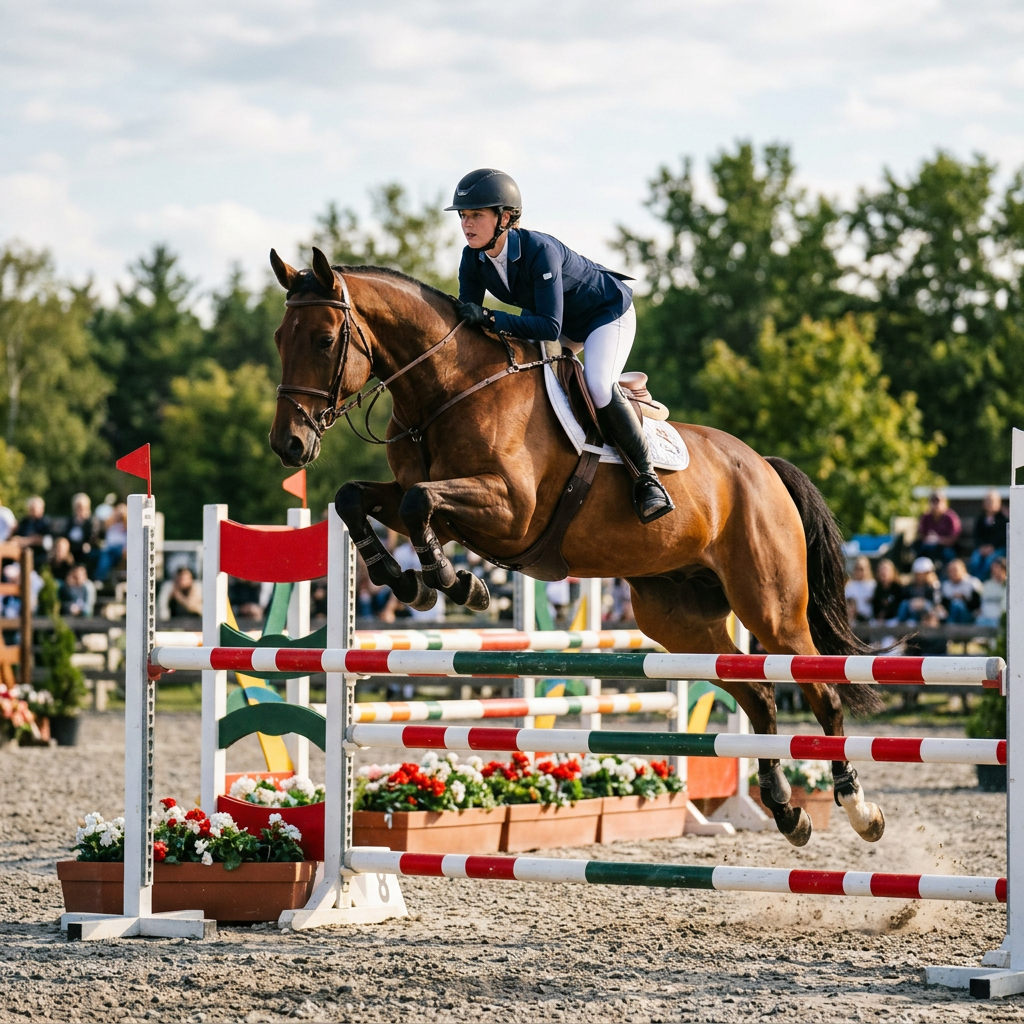
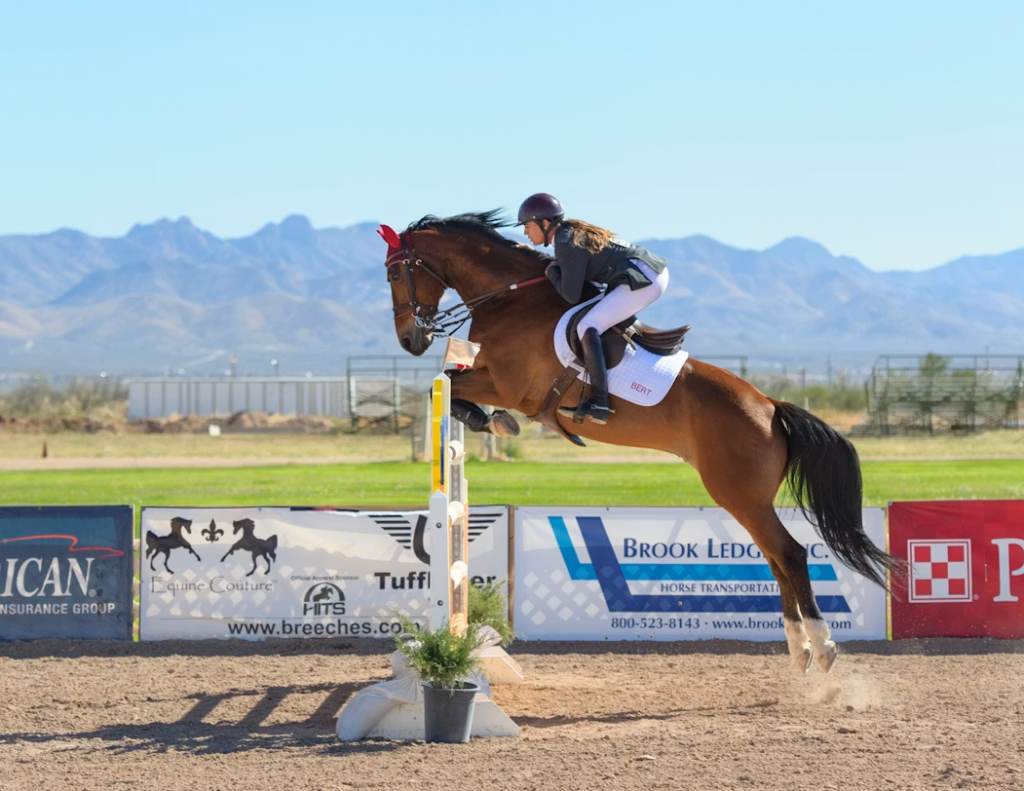
When we see a horse gracefully clear a jump or do a fancy dressage move, it’s easy to think it’s all natural talent. We watch their power and elegance and figure some animals are just born to be great.
While genetics definitely play a part, getting a horse to perform at its best is actually a much more detailed process. It’s a careful mix of what they’re born with, dedicated training, and a good environment that helps a horse reach its full athletic potential.
Defining Equine Athleticism
So, what does it really mean for a horse to be athletic? It’s more than just being fast or strong. Real equine athleticism comes from several key qualities working together. This includes stamina for long efforts, power for explosive moves like jumping, agility for quick direction changes, and flexibility for moving freely.
Besides these physical things, mental aspects like focus, wanting to work, and confidence are just as important. Understanding all the parts of equine athletic performance helps handlers and riders train better, making sure every bit of the horse’s ability gets nurtured.
Training Regimens for Excellence
You can’t make a great equine athlete overnight, and definitely not with a single training plan for everyone. Excellence comes from carefully planned and varied routines that build strength without burning out or injuring the horse.
A top show jumper might go on long, slow trail rides to build stamina and relax mentally, while a dressage horse could do gymnastics over small poles to get better coordination and footwork. This idea of cross-training is super important. It keeps the horse’s mind engaged and works different muscle groups, making them a more balanced and tough athlete.
And don’t forget rest and recovery; they’re a must for any serious training program. For riders, these calmer training moments can also support mental health by creating space to slow down, reduce stress, and build a stronger connection with the horse.
The Role of the Training Environment
The place where a horse trains really affects how it develops and stays safe. A patchy, rocky, or too-hard surface can make strains and injuries more likely, messing up even the best training. A well-kept arena gives a safe and consistent place for a horse to build confidence and skills.
The quality of the horse arena footing is especially important because it needs to offer the right balance of cushioning, support, and grip. A good surface absorbs impact, reduces stress on joints and tendons, and gives the horse the stability it needs to do powerful moves confidently. This creates a good cycle where the horse feels secure and is more willing to try.
Impact on Horse Health
Everything about training and the environment directly impacts a horse’s long-term health and soundness. A thoughtful approach puts lasting health before quick wins. Good conditioning builds strong muscles and ligaments that support the bones, while a good diet provides the fuel needed for performance and recovery.
Paying close attention to the horse’s physical state with regular check-ups and noticing small changes in behavior or movement can help catch problems before they get serious. The goal isn’t just to make a champion for today, but a healthy, happy partner for years to come.
Advancements in Equine Facilities
The world of horse sports is always changing, with new tech and methods helping improve how horses are cared for and how they perform. Modern facilities are now designed with the horse’s well-being as the main focus. This includes everything from better ventilation systems in barns to cut down on breathing irritants, to developing therapeutic tools like vibrating floor panels and saltwater spas for after-workout recovery. Many of these advancements in sport science are giving trainers new insights into conditioning and rehab, letting them fine-tune every part of an athlete’s care.
Making an equine performer is all about teamwork. It’s the thoughtful and caring combination of training, care, and environment that truly lets a horse’s natural talent shine.
Discover more from The Cameron Journal
Subscribe to get the latest posts sent to your email.