
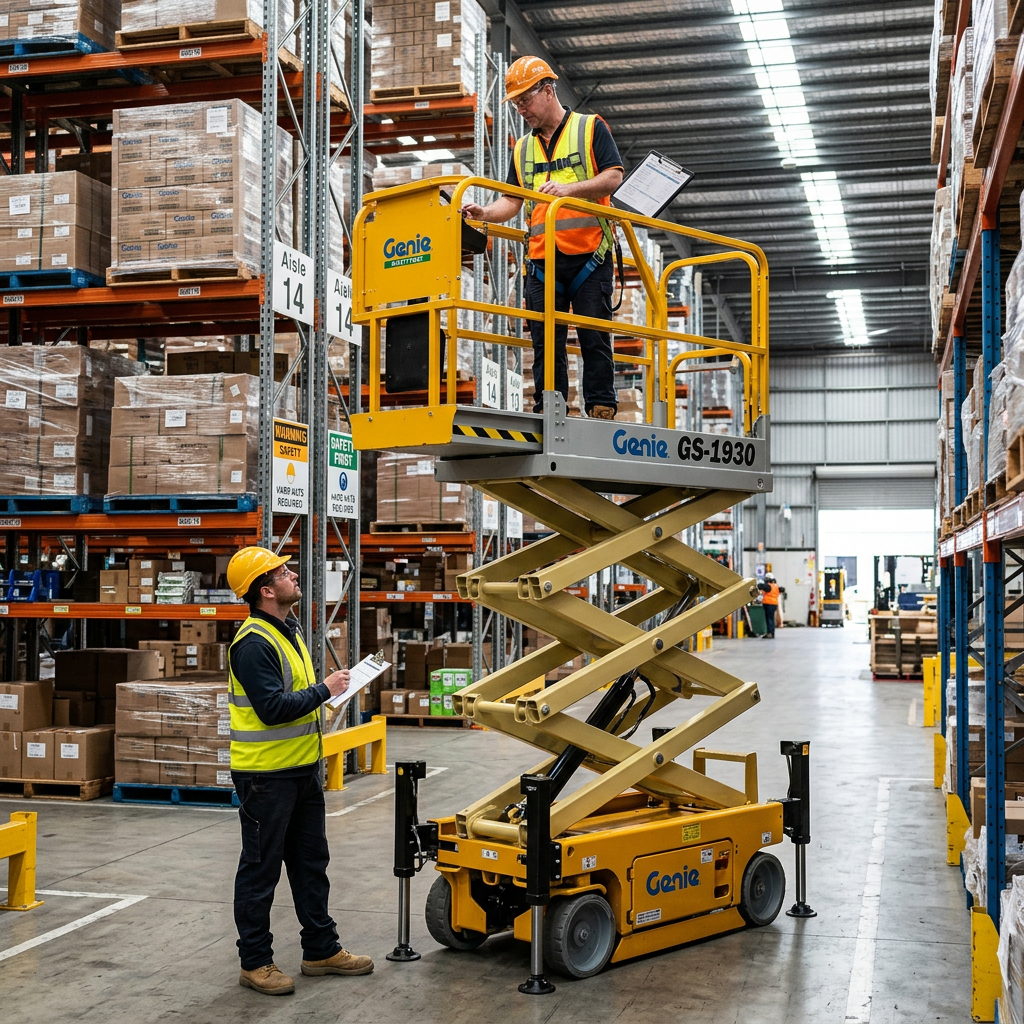
Key Takeaways
- Regular inspections and maintenance of lift equipment are crucial for safety.
- Proper training and adherence to safety guidelines significantly reduce workplace incidents.
- Implementing traffic control measures around lift operations prevents accidents.
Table of Contents
- Importance of Regular Inspections
- Comprehensive Operator Training
- Implementing Traffic Control Measures
- Adhering to Load Capacity Limits
- Utilizing Personal Protective Equipment
- Staying Informed on Regulatory Updates
- Fostering a Culture of Safety
- Best Practices for Lift Equipment Storage
- The Role of Technology in Lift Equipment Safety
- Incident Response and Accident Preparedness
- Conclusion
Maintaining the safety of lift equipment is essential for fostering a productive and hazard-free work environment. Adhering to established safety protocols not only protects workers but also enhances operational efficiency. Engaging in CSA-compliant lift equipment inspection services is a critical step in this process. Firth Engineering Ltd., a leader in the field, offers such services to ensure equipment meets all regulatory standards. With over 25 years of experience, Firth Engineering provides thorough inspections and certifications across Alberta, helping companies achieve code and regulation compliance.
Importance of Regular Inspections
Conducting routine inspections of lift equipment is essential to identify potential issues before they escalate. According to the Occupational Safety and Health Administration (OSHA), pre-use inspections can prevent equipment-related failures that might lead to serious injuries or fatalities. Ensuring that all components are in optimal condition minimizes the risk of unexpected malfunctions.
Inspections can take different forms, from daily operator checks to periodic in-depth reviews by certified professionals. Daily checks often include examining tires, controls, guardrails, and safety features to confirm everything is functioning correctly. More comprehensive inspections should be scheduled based on manufacturer recommendations and regulatory requirements, focusing on hydraulic systems, structural integrity, and electrical components. Thorough records of all inspections should be maintained to demonstrate compliance and track recurring issues for corrective action.
Comprehensive Operator Training
Proper training equips operators with the knowledge to handle lift equipment safely. The International Powered Access Federation (IPAF) emphasizes that only trained workers should operate scissor lifts, and employers should ensure these workers demonstrate proficiency. Training should cover equipment operation, emergency procedures, and hazard recognition.
Effective operator training programs address more than simple mechanical operations. Courses frequently include recognizing environmental hazards, understanding equipment limitations, and practicing hands-on emergency drills. Refresher training should be scheduled regularly, particularly if new machinery is introduced or regulations change. Employers should also consider multilingual training resources to ensure comprehension among a diverse workforce, thus reducing language-related misunderstandings that can lead to accidents.
Implementing Traffic Control Measures
Establishing clear traffic control measures around lift operations helps prevent collisions and other accidents. OSHA recommends isolating the scissor lift or implementing traffic control measures to ensure that other equipment cannot contact the scissor lift. This includes setting up barriers and warning signs to alert workers and equipment operators of ongoing lift activities.
Additional strategies may involve designated pedestrian walkways, the use of spotters during maneuvering, implementing one-way traffic zones, and utilizing visual alerts such as flashing beacons or brightly colored safety tape. Regular evaluation of traffic patterns on the job site allows for adjustments in the control measures when project layouts change or as new hazards are identified.
Adhering to Load Capacity Limits
Overloading lift equipment can lead to structural failures and tip-overs. It’s crucial to adhere to the manufacturer’s specified load limits. The National Institute for Occupational Safety and Health (NIOSH) advises never to exceed the load limits and to avoid driving an aerial lift with the lift extended unless it is designed for that purpose. Monitoring the weight of personnel, tools, and materials ensures safe operation.
Operators should also be trained to calculate total load weight accurately. This includes understanding how shifting loads and uneven weight distribution can destabilize equipment. Investing in load-sensing technology, where available, can further ensure compliance with manufacturer restrictions, alerting users in real time when limits are approached.
Utilizing Personal Protective Equipment
Wearing appropriate personal protective equipment (PPE) is a fundamental aspect of lift safety. NIOSH recommends always wearing fall arrest equipment with a lanyard attached to a designated anchor point. Additionally, operators should wear helmets, gloves, and other PPE as required to protect against potential hazards.
PPE requirements may differ based on the specific type of lift being operated and the work environment. Employers should ensure PPE is regularly inspected for damage, fits properly, and is readily available at all worksites. Regular reminders and PPE “spot checks” can encourage consistent usage.
Staying Informed on Regulatory Updates
Regulatory bodies periodically update safety standards to address emerging risks. For instance, OSHA announced a final rule on improving the safety of longshoring employees who work with vertical tandem lifts (VTLs). Staying informed about such updates ensures compliance and enhances workplace safety.
Subscribing to industry newsletters, participating in safety seminars, and maintaining open communication with regulatory agencies helps companies remain up-to-date. Assigning a specific staff member to monitor regulatory changes can streamline the update process, ensuring that new guidelines are quickly integrated into existing safety programs and training materials.
Fostering a Culture of Safety
Creating a workplace culture that prioritizes safety encourages proactive behavior among employees. Regular safety meetings, open communication about hazards, and management’s commitment to safety protocols contribute to a safer work environment. Encouraging workers to report unsafe conditions without fear of reprisal is also vital.
Employers can further support a safety culture by offering incentives for hazard identification, creating employee-led safety committees, and regularly celebrating safety milestones. Visible leadership support, such as management participating in safety walk-throughs, demonstrates the value placed on employee well-being and motivates workers to follow best practices.
Best Practices for Lift Equipment Storage
Safe storage of lift equipment is another critical aspect of workplace safety. Equipment should always be stored on flat, stable surfaces away from high-traffic areas and environmental hazards such as extreme heat, excess moisture, or corrosive chemicals. Batteries should be disconnected when not in use to prevent accidental engagement and extend the equipment’s lifespan (University of Virginia). Routine cleaning and the application of rust inhibitors can help to preserve mechanical integrity. When storing lifts outdoors, protective covers or dedicated storage buildings are recommended to shield equipment from the elements and reduce wear.
The Role of Technology in Lift Equipment Safety
Technological advancements have significantly contributed to improved lift equipment safety. Many modern lifts are equipped with smart diagnostics and telematics systems, which monitor operational health and send maintenance alerts. Proximity sensors, automatic leveling features, and real-time load monitoring can reduce operator error and enhance safe operation. Some worksites integrate digital checklists and mobile apps for inspections, ensuring consistency and timely submission of reports, and allowing management to track compliance more effectively.
Incident Response and Accident Preparedness
Even with stringent safety protocols, accidents may still occur. Developing and regularly practicing an incident response plan is essential. Workers should be familiar with emergency shut-offs, rescue procedures, and reporting protocols. On-site first aid kits, readily accessible emergency contacts, and the designation of trained first responders can mitigate the severity of accidents. Debriefing after incidents helps teams learn from mistakes, improve protocols, and further reduce the risk of recurrence.
Conclusion
Implementing and adhering to lift equipment safety protocols are essential for maintaining a productive and safe worksite. Regular inspections, comprehensive training, traffic control measures, adherence to load limits, proper use of PPE, staying updated on regulations, and fostering a safety culture collectively contribute to minimizing risks associated with lift operations.
Discover more from The Cameron Journal
Subscribe to get the latest posts sent to your email.




