Image Credit: Unsplash
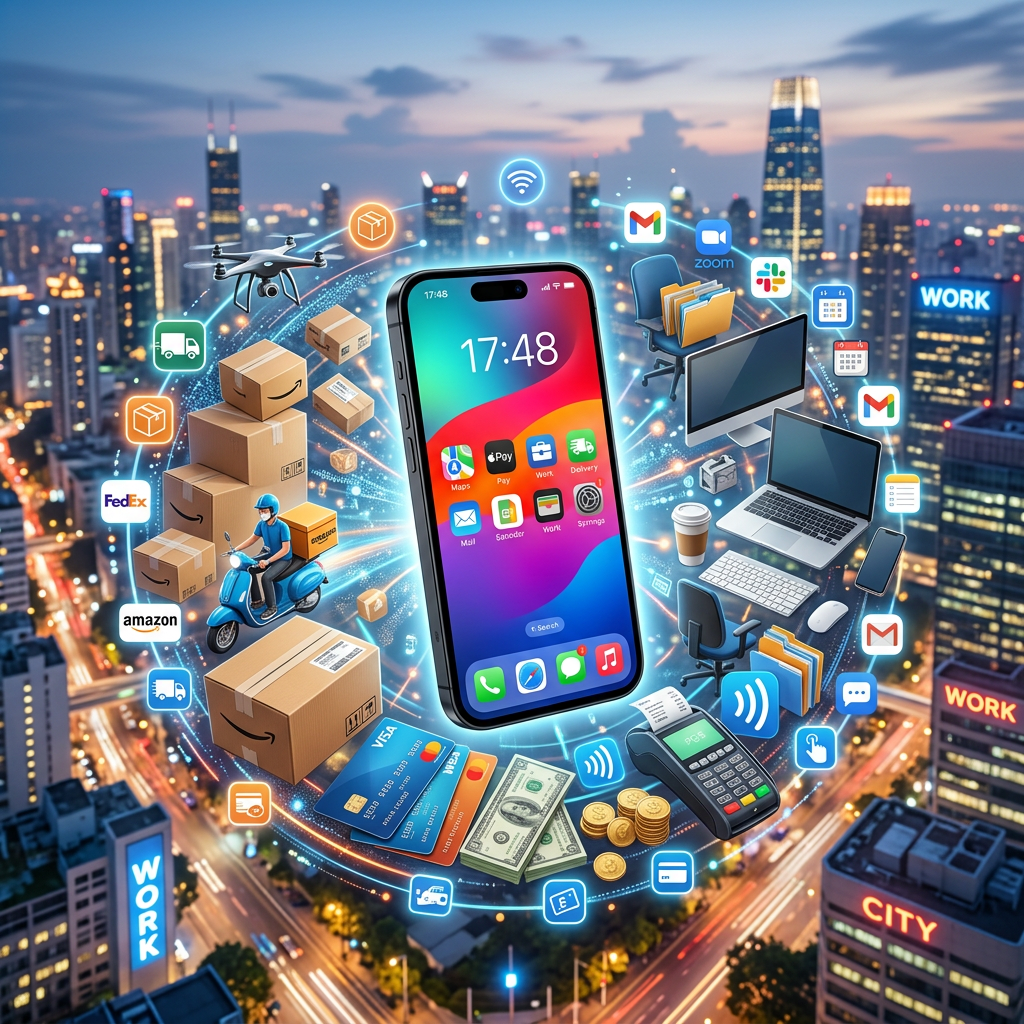
It’s hard to imagine a day without your smartphone. From the moment you wake up until you go to sleep, this little device is often right by your side. It’s your alarm clock, your news source, your navigator, and your connection to the world. This isn’t by accident; it’s the result of a huge technological shift that has put incredible power right in your hand, changing how we live, work, and interact with everything around us.
The Mobile Revolution
Just a couple of decades ago, getting online meant being stuck at a desk. Today, high-speed internet is in our pockets. This move from stationary to mobile has been one of the biggest tech changes ever. Smartphones have gone from simple communication tools to powerful personal computers that manage our schedules, finances, and social lives.
This change has had a massive global impact. Mobile technology has spread widely, creating new economies and opportunities. Many experts are now looking at how to achieve a similar transformation in other fields by replicating the mobile revolution. This isn’t just about apps and social media; it’s about a fundamental shift in how information and services are accessed and shared worldwide.
Services That Come to You
One of the most practical effects of mobile innovation is the rise of the on-demand economy. We now expect to get what we need, when and where we need it, and that’s become completely normal. It started with services like ride-sharing and food delivery, letting you summon a car or a meal with just a few taps on your screen.
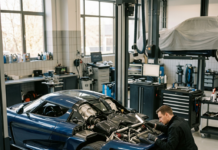
This convenience has since spread into almost every part of our lives. Need your lawn mowed or a package delivered across town? There’s an app for that. The model has worked so well that it’s moved into skilled trades and personal care. You can book someone to assemble furniture, a personal trainer for an at-home workout, or even a mobile mechanic to handle car maintenance in your driveway instead of a garage. This shift saves time and makes services fit into our busy schedules, rather than the other way around.
Impact on Work and Lifestyle
Mobile technology has completely redrawn the lines between our professional and personal lives. For many, the office isn’t a fixed place anymore. Laptops, tablets, and smartphones allow for remote work, giving employees and freelancers the flexibility to do their jobs from home, a coffee shop, or even another city. For some, this has led to a better work-life balance, while for others, it means a constant feeling of being “on.”
When it comes to lifestyle, mobile devices are key to how we relax and connect. We stream movies on the bus, listen to podcasts while doing chores, and keep up with friends and family across the globe through video calls and messaging apps. Health and wellness have also gone mobile, with apps that track our steps, monitor our sleep, and guide us through meditation sessions. Our phones have become personalized hubs for entertainment, communication, and self-improvement.
Future of Mobile Service Delivery
The evolution of mobile services is far from over. The next wave of innovation focuses on creating even more personalized and integrated experiences. Artificial intelligence (AI) is already playing a huge role, with apps that learn your preferences and anticipate your needs, offering tailored recommendations for everything from music to shopping.
Augmented reality (AR) is another technology set to transform mobile services. Imagine pointing your phone’s camera at your living room to see how a new sofa would look, or trying on clothes virtually before you buy. As businesses keep competing for your attention, they’re increasingly focused on enhancing user engagement with intuitive, useful, and even delightful mobile experiences. The future promises a world where digital and physical realms blend in ways that make our lives even more convenient and efficient.
Mobile technology has fundamentally changed what we expect. We now look for immediate, personalized, and accessible solutions in every part of our lives, and businesses are quickly adapting to meet that demand.
Discover more from The Cameron Journal
Subscribe to get the latest posts sent to your email.