Table of Contents
- Biosynthesis of THCA
- Decarboxylation Process
- Potential Health Benefits
- Legal Landscape
- Cultivation and Harvesting
- Consumer Considerations
- Conclusion
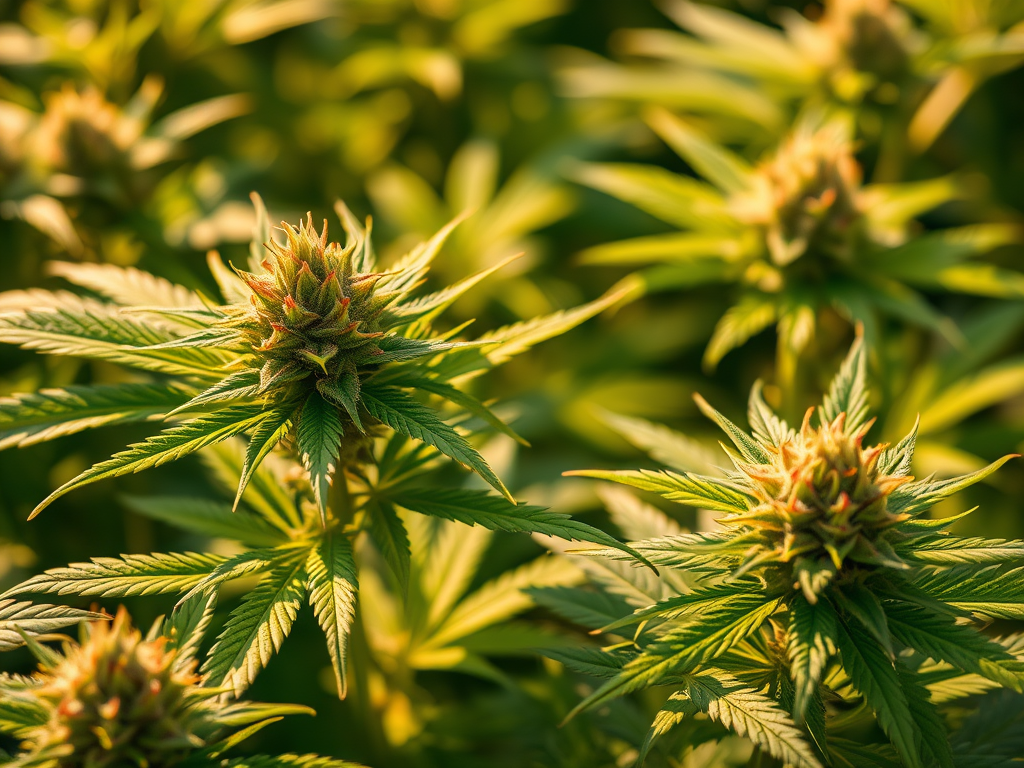
THCA, or tetrahydrocannabinolic acid, is gaining attention among cannabis consumers and researchers for its unique properties. Found in raw cannabis plants, THCA is the non-psychoactive precursor to THC (tetrahydrocannabinol), which is responsible for the classic cannabis “high.” This means THCA flower offers users an alternative to traditional THC products. Those interested in exploring premium options can find All THCA Flower curated specifically for this expanding market. Unlike THC, THCA does not cause intoxication unless it is heated, a process that converts it into THC. As scientific understanding grows, consumers and cultivators alike are discovering how THCA fits within both legal frameworks and wellness routines. Understanding the chemistry and legalities of THCA flower can help buyers make informed decisions in an ever-evolving market landscape.
The demand for THCA flower is also influenced by the potential health benefits this cannabinoid may provide, as well as considerations around cultivation quality and compliance with state and federal laws. These factors shape the consumer experience, whether the goal is wellness, recreation, or curiosity regarding cannabis science. To help readers navigate these complexities, this article explores the biosynthesis of THCA in plants, its conversion to THC, research into its health applications, and the future regulatory environment. Legal changes on the horizon may affect how THCA is produced, sold, and consumed, making it vital to stay informed.
Biosynthesis of THCA
The journey of THCA in the cannabis plant begins at the molecular level. THCA originates from cannabigerolic acid (CBGA), which is often referred to as the “mother cannabinoid” because it is the source of several cannabinoids present in cannabis. Through the action of a specialized enzyme, THCA synthase, CBGA is converted into THCA within trichomes, the tiny glandular structures found on the surface of cannabis flowers. This enzymatic reaction represents a critical phase in the natural biosynthesis of cannabinoids, and its efficiency is influenced by the plant’s genetics and cultivation environment.
Decarboxylation Process
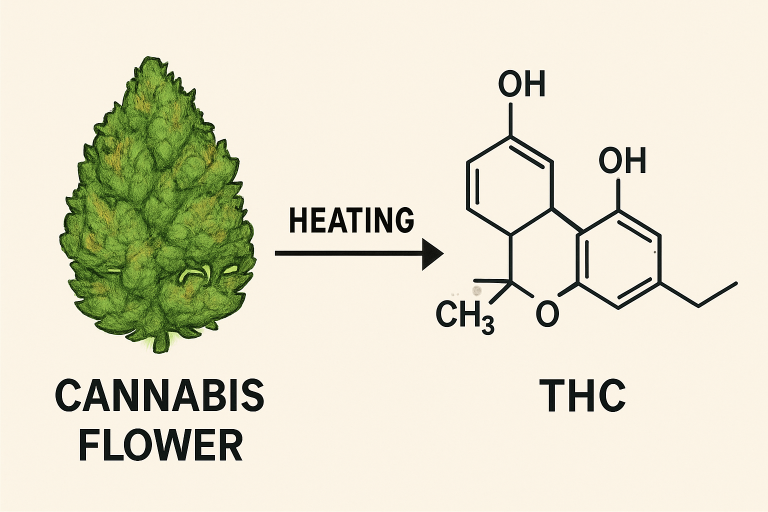
THCA, as it exists in raw plant material, is not intoxicating. Only when THCA is exposed to heat—such as when smoking, vaping, or cooking—does it undergo a chemical transformation called decarboxylation. During this process, THCA loses a carboxyl group and becomes THC. This conversion is vital for those seeking the psychoactive or therapeutic effects associated with THC. The decarboxylation process highlights the importance of cannabinoid science, bridging the gap between plant biology and user experience. You can learn more about the chemistry and effects of cannabinoids at Leafly.
Potential Health Benefits
Early research examining the properties of THCA suggests several promising health applications. One of the most notable areas is its anti-inflammatory potential. Studies have found that THCA can inhibit enzymes and pathways involved in inflammation, offering advantages over traditional anti-inflammatory medications that sometimes carry significant side effects. At the same time, emerging evidence hints at THCA’s neuroprotective qualities. Researchers are investigating whether THCA can play a beneficial role in managing or slowing neurodegenerative diseases such as Parkinson’s and Alzheimer’s. However, more work is needed to confirm efficacy and optimal dosing.
Legal Landscape
The current legal status of THCA flower can be complex and is changing rapidly. Under the 2018 Farm Bill, “hemp” is federally defined as cannabis with less than 0.3 percent delta-9 THC by dry weight. Because THCA is not psychoactive in its natural form, THCA-rich flower has, to date, been regulated as legal hemp, as long as it meets that threshold. However, regulatory amendments set to take effect in November 2026 will redefine “total THC” to include both delta-9 THC and THCA content in the calculation. This means many products that are now considered legal may no longer comply with federal regulations when the new rules take effect, potentially shifting the legal landscape for cultivators, sellers, and consumers.
Cultivation and Harvesting
Cultivating THCA-rich cannabis is a process that requires expertise and attention to detail. Farmers must monitor their crops’ cannabinoid profile closely, timing their harvests for the phase when THCA levels are peaking, and delta-9 THC remains within legal bounds. After harvesting, the flowers must be handled delicately, using optimized drying and curing practices to preserve the integrity of both THCA and the aromatic terpenes that contribute to the flower’s appeal and potential effects. Quality-focused cultivation helps ensure not only potent and flavorful products but also full regulatory compliance at every step.
Consumer Considerations
When purchasing THCA flower, consumers should be diligent about a few key factors to guarantee safety and satisfaction. First, lab testing is an essential step. Only choose products that have been analyzed by reputable third-party laboratories for cannabinoid potency, as well as for the absence of pesticides, heavy metals, and microbial contamination. Storage is another crucial consideration; THCA flower should be kept in air-tight containers in cool, dark environments to maintain freshness and potency over time. Lastly, buyers must remain up to date with regulations at both the state and federal levels, as legal definitions and enforcement are subject to change. Exploring the science behind THCA flower offers insight into the ongoing evolution of the cannabis industry. As both research and legislation develop, consumers who understand the intricacies of cannabinoid chemistry, health implications, and regulations are better equipped to make informed choices in a dynamic marketplace.
Conclusion
THCA represents a fascinating intersection of cannabis science, consumer interest, and evolving regulation. As the non-psychoactive precursor to THC, it offers a unique alternative for those seeking potential wellness benefits without immediate intoxication. From its biosynthesis within the plant to its transformation through decarboxylation, understanding THCA provides valuable insight into how cannabis compounds function and interact with the body. As research continues to explore its possible therapeutic applications and as legal frameworks shift, staying informed is essential for both consumers and industry participants. Factors such as cultivation quality, proper storage, and third-party lab testing also play a critical role in ensuring a safe and satisfying experience. By combining scientific knowledge with careful purchasing decisions, individuals can confidently navigate the growing THCA market and make choices that align with their needs, preferences, and local regulations.
Discover more from The Cameron Journal
Subscribe to get the latest posts sent to your email.