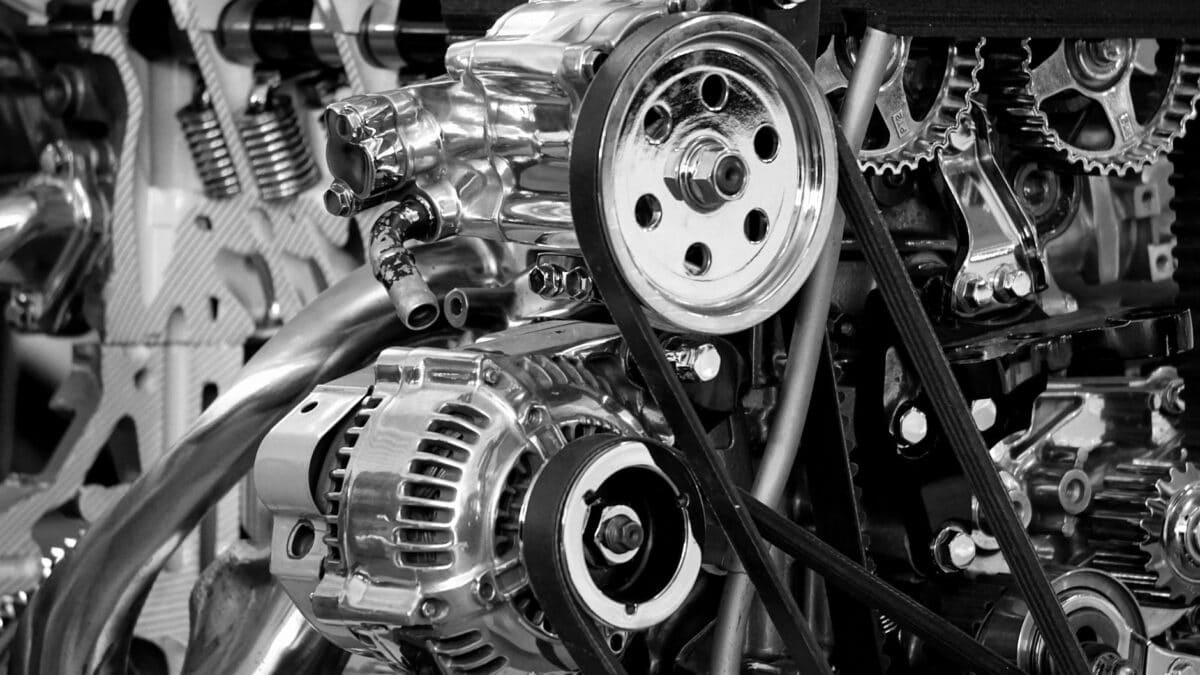
When you think of diesel engines, you probably picture big trucks, buses, or even farming equipment – all known for their power but also their environmental impact. Diesel engines have been an essential part of industries for decades, but with growing concerns over pollution, they’re now under the spotlight. The question is: how do we keep using diesel without causing more harm to the environment?
That’s where rail fuel injectors come into play.
What Are Rail Fuel Injectors, Anyway?
Let’s keep it simple: rail fuel injectors are part of a system called the “common rail,” and they control how fuel is delivered to a diesel engine. Think of them as a precision tool that injects fuel at just the right moment, in just the right amount. This is different from older, less efficient systems, which were more of a ‘one size fits all’ approach to fuel injection.
In older diesel engines, fuel injectors were mechanical and didn’t have much precision. It was a bit like trying to water your plants with a fire hose – you’d get the job done, but it wasn’t exactly delicate or controlled. With modern rail fuel injectors from the likes of Austrian company Big Bang Injection, it’s like watering those plants with a gentle, perfectly timed spray, ensuring that nothing is wasted, and everything runs more smoothly.
How Do They Work?
The key to rail fuel injectors is that they work under very high pressure, thanks to the common rail system. The fuel is kept in a shared high-pressure reservoir (the rail), and when it’s time to inject it into the engine, the fuel is sprayed in at a precise moment and in very fine particles.
This process is controlled by the engine’s electronic control unit (ECU), which constantly monitors and adjusts the timing and amount of fuel based on the engine’s needs. The result? The fuel burns more efficiently, creating more power while reducing waste. That’s good news for both performance and the planet.
Why Do Rail Fuel Injectors Matter for Reducing Emissions?
Diesel engines are powerful, but they’ve had a bad reputation for their emissions. The smoke and fumes they produce are filled with pollutants like nitrogen oxides (NOx), particulate matter (PM), and unburnt hydrocarbons, which are harmful to both our health and the environment. Alongside precise fuel delivery, modern diesel emissions systems rely on components such as the genuine mopar diesel exhaust fluid pump, which ensures accurate DEF dosing to support cleaner exhaust output. When fuel injection and aftertreatment systems work together, engines can meet stricter emissions standards without sacrificing reliability or performance. Here’s where rail fuel injectors step in to make a big difference.
Reducing Nitrogen Oxides (NOx)
NOx emissions are a major concern because they contribute to air pollution and can lead to smog in urban areas. Rail fuel injectors help by controlling the temperature at which the fuel burns. If the fuel burns at a lower, more controlled temperature, it prevents the formation of excess NOx, keeping those harmful gases to a minimum.
Cutting Down on Particulate Matter (PM)
You know that black smoke that sometimes comes out of a diesel engine? That’s mostly particulate matter, tiny particles that can have serious health consequences when inhaled. Rail fuel injectors atomise the fuel into finer particles, which leads to a more complete combustion process. This means less soot, cleaner exhaust, and a healthier environment.
Better Fuel Efficiency = Fewer Emissions
Rail fuel injectors don’t just reduce pollution; they also help save fuel. Because the injectors deliver the exact amount of fuel needed at the perfect moment, there’s less waste. The engine uses fuel more efficiently, which means less is burned overall. When you burn less fuel, you produce fewer emissions – it’s a win-win!
The Main Benefits of Rail Fuel Injectors
Rail fuel injectors are doing more than just cleaning up emissions – they’re improving the entire diesel engine experience. Here’s why they’re such a game changer:
- Improved fuel efficiency – With precise fuel delivery, diesel engines run more efficiently, meaning you’ll be making fewer stops at the pump.
- Reduced emissions – From NOx to particulate matter, rail fuel injectors dramatically cut the harmful pollutants that diesel engines typically produce.
- Better engine performance – Precision fuel injection means engines can run smoother and more responsively.
- Quieter operation – Diesel engines fitted with common rail systems tend to run more quietly, making for a more pleasant driving experience.
- Longer engine life – Modern injectors are designed to last longer and perform better over the engine’s lifespan, meaning less wear and tear on the engine.
Final Thoughts
Rail fuel injectors might not be the flashiest part of a diesel engine, but they’re certainly one of the most important when it comes to reducing emissions and improving efficiency. So, the next time you see a big truck roll by, just remember: it’s what’s happening inside that’s making all the difference.
Discover more from The Cameron Journal
Subscribe to get the latest posts sent to your email.