
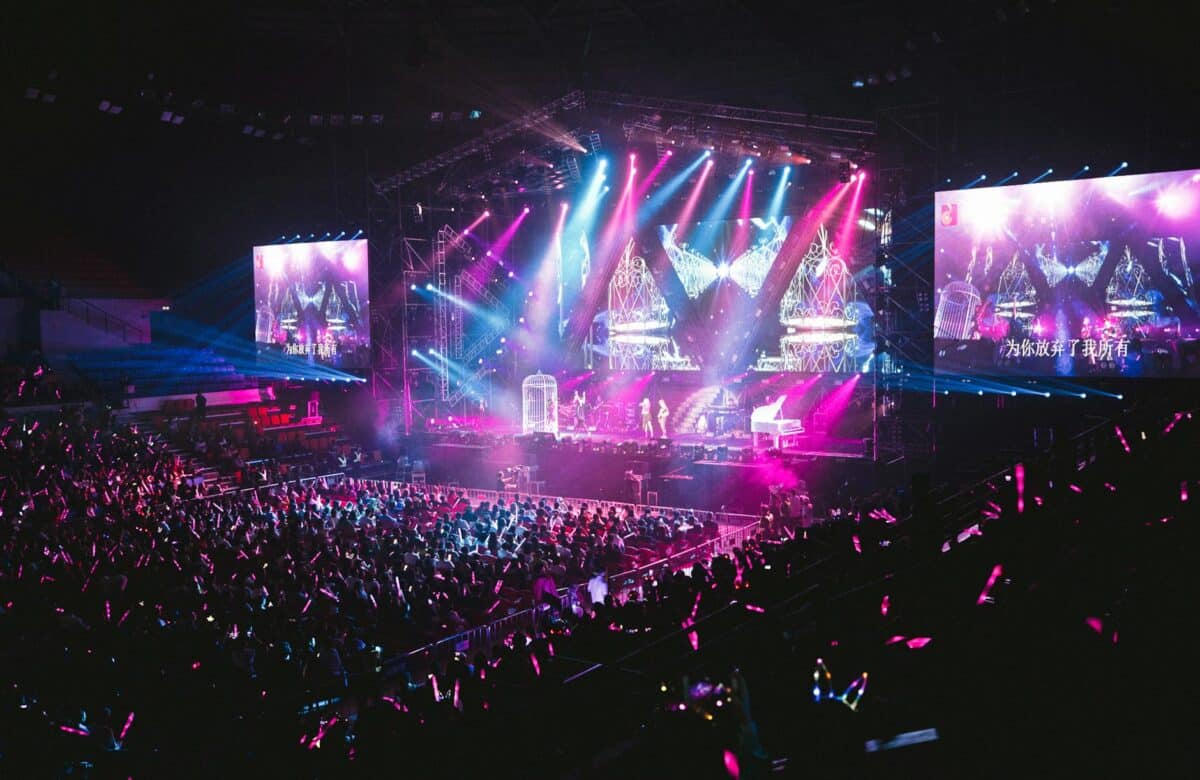
Planning and organizing an event demands attention to detail and thorough preparation in aspects such as staging selection, which is often underestimated yet crucial for the success of the occasion. Portable stages provide versatility and convenience in setup with the ability to adapt to different event types, like concerts or corporate gatherings, which can significantly influence the overall outcome of the event.
Key Points to Consider for Portable Staging During an Event
Evaluate the Requirements of the Occasion
When selecting a stage for an event, it’s essential to understand the event’s needs. Factors to consider include the type of event being held, the anticipated audience size, and the nature of the performances or presentations that will take place.
For example, a music festival may require a stage equipped with notch sound and lighting features. In contrast, a business seminar might call for a more straightforward setup emphasizing visibility and sound quality.
Assess the Dimensions and Setup of the Stage
When deciding on the size of a staging area, remembering the requirements of both the performers and the audience is crucial! The stage must offer room for performers to move around comfortably without any restrictions and also give the audience a view of the performance happening onstage!
It’s also important to think about possibilities, as some events may work best on a standard rectangular stage. In contrast, others could be more captivating, with a circular or uniquely shaped stage design!
Take into Account the Weight Limit to Ensure Stability
Safety is the priority when it comes to setting up a stage for performances or events. Making sure that the stage is capable of handling the weight of performers and equipment is essential. Be sure to review the weight capacity guidelines and choose a stage for stability. This becomes more crucial for events with performances or heavy gear. A shaky or unstable stage can create safety hazards that need to be avoided at all costs.
Set Up for Mobility
One key benefit of staging is its setup and transportability factor to consider when choosing a stage is its user friendliness. Opt for stages that don’t require excessive tools or effort to put together. Lightweight materials and modular designs with compact storage solutions improve portability, allowing for easy transportation of the stage to various locations. The time saved during setup can be used more effectively for other event planning tasks.
Maintain the Materials
The choice of materials for building the stage is crucial for its long-term durability and needs to be taken into account when selecting the material type for construction purposes. When looking for portable staging online, do cross-check the materials your team offers, since it can impact the stage’s longevity and ability to withstand wear and tear over time. Furthermore, think about how easy it will be to keep the stage clean and well-maintained. This will save both time and resources in the future by ensuring that the stage stays in condition for events.
Think About Sound and Style
The sound quality of an event can be affected by the features of the stage it takes place on. Some stages have panels or surfaces specifically made to improve how sound travels. Additionally, the stages need to look to match the event theme or branding. Choose stages with customization options, like panels or decorative accents, to establish a visually appealing arrangement.
Consider Budget Limitations and Be Resourceful
Budget plays a role in event organization every time it’s planned out. Getting a stage involves a variety of prices to sift through; hence, it’s vital to strike a balance between cost and quality. Sure, the cheapest choice may seem attractive initially. Opting for a top-notch stage can lead to long-term savings by cutting down on repair and replacement expenses. Take into account the stages’ worth based on their longevity and functionality. The possibility of using it for upcoming events.
Make Things Accessible and Inclusive
Making sure the stage is easily reachable for all performers and presenters is crucially important. Hunt for stages equipped with ramps, handrails, and surfaces with traction to cater to people facing mobility issues. Inclusion should take precedence, enabling everyone to engage securely. Opting for a stage shows event planners’ dedication to embracing diversity and inclusivity.
In Summary
Selecting the platform necessitates thoughtful evaluation of different elements. They range from the unique requirements of the occasion to financial limitations and ecological consequences. The thorough examination of these elements allows event planners to pick a stage that not only fulfills their needs but also elevates the experience for both artists and spectators alike. Devoting time to this choice can result in an unforgettable event.
Discover more from The Cameron Journal
Subscribe to get the latest posts sent to your email.




