Image Credit: Unsplash
Our cities’ public spaces are like their heartbeats, really showing what a community cares about and how lively it is. For ages, many urban parks and plazas felt like nothing more than a bit of grass or a big slab of concrete, mostly there to look at, not to actually do things in.
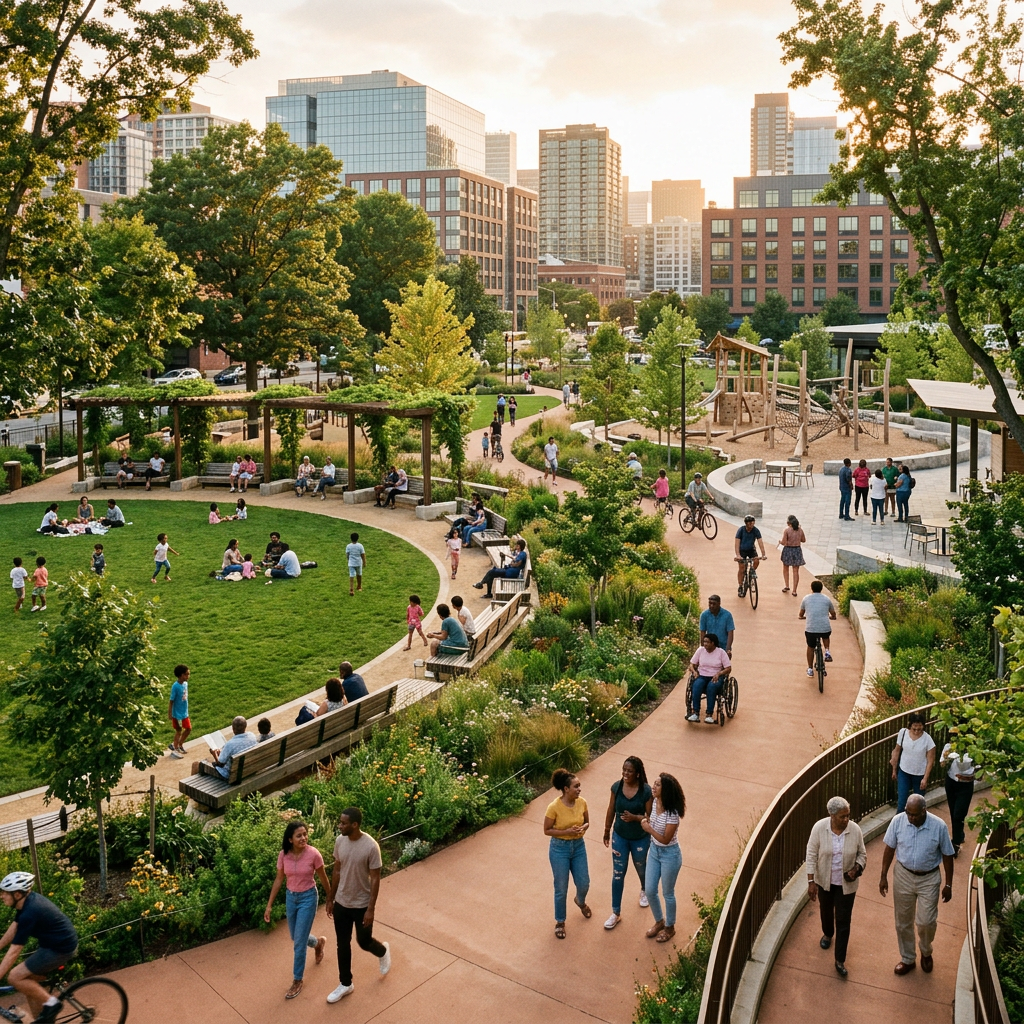
But that whole idea is changing big time today! We’re seeing a real revolution in how cities are designed, with public spaces getting a makeover into dynamic, welcoming, and super important spots for community life. It’s a shift from just pretty scenery to interactive places that truly fit what modern folks need.
The Shifting Landscape of Urban Design
That old-school park model is slowly fading away. Now, urban planners and landscape architects are really focusing on making spaces that aren’t just easy on the eyes, but also super practical and inviting. This whole movement understands that a well-designed public area can actually make you feel better, help people connect, and even give local businesses a boost.
The big idea is to create places you want to go to, not just pass through. This philosophy champions the reinvention of public spaces to put people first, turning forgotten spots into lively community treasures. The goal is to build places where people genuinely want to hang out, creating a feeling of belonging and ownership.
Designing for Diverse Community Needs
A truly great public space welcomes everyone in the community, including people with different needs. Modern design considers families with little ones, seniors looking for gentle exercise and a chat, students who want to study outside, and even professionals needing a quick break from the office. And yes, it also means thinking about our furry friends!
Inclusive features might include accessible playground equipment, comfortable, shaded seating, or even free public Wi-Fi. Some of the most charming new ideas are small but make a huge difference, like a community stick library for dogs to enjoy. This simple, clever touch shows a real understanding of how people and their pets actually use a park, turning a basic green space into a beloved local hangout.
Enhancing Recreation and Connection
Revamped public spaces are made to get people moving and interacting. Instead of just big open fields, you might find specific zones for different activities. This could mean outdoor fitness stations, skate parks, splash pads for those hot summer days, and even community gardens where neighbors can dig in side-by-side. Seating is another huge piece of the puzzle. Forget those stiff, bolted-down benches of yesteryear.
Today’s parks often have movable chairs and tables, comfy lounge-style spots, and terraced steps that let people gather in groups or find a quiet corner alone. These flexible designs let users create their own experience and make it easier for those spontaneous social connections to just happen.
Innovative Amenities for All Users
Technology and a good dose of creativity are bringing in a whole new wave of features that make public spaces more useful and fun. Lots of modern parks now offer charging stations for phones and laptops, turning a patch of grass into a perfectly good outdoor office. Interactive art installations, musical swings, and outdoor pianos invite play and creativity from everyone, no matter their age. These features really change how we experience a place.
Research shows how urban design shapes human cognition, suggesting that stimulating and well-organized environments can actually make us feel better and think more clearly. By adding these cool elements, cities can create spaces that aren’t just practical but also truly inspiring, often through repurposing old buildings.
The Social Impact of Thoughtful Spaces
Investing in awesome public spaces really pays off, and not just within the park itself. When people have safe, attractive, and engaging places to gather, community bonds get stronger. These spots become neutral ground where people from all walks of life can interact, helping to reduce loneliness and build a sense of shared identity.
Well-kept parks have even been linked to lower crime rates and higher property values in nearby neighborhoods. Most importantly, they make residents healthier and happier overall. A thoughtfully designed park sends a clear message that a city cares about its citizens’ well-being, making it a much more desirable place to live, work, and play.
Discover more from The Cameron Journal
Subscribe to get the latest posts sent to your email.