
Image Credit: Pexels
We all know the feeling: a messy, cluttered room can make you feel stressed and scattered, while a clean, open space brings a sense of calm. This isn’t just a random feeling; it shows how much our physical surroundings impact our thoughts, emotions, and actions. Everything from how our office is set up to the landscaping around our homes constantly sends us signals that shape how we think.
The Psychology of Green Spaces
People naturally want to connect with nature. This idea is called biophilia. Being around green spaces, whether it’s a big park or just a few plants in the office, clearly helps our mental state. Studies consistently show that even short times spent in nature can lower stress, reduce blood pressure, and help us focus better.
Our brains process trees, grass, and flowers differently than concrete and asphalt. Natural settings can help us regain our ability to focus, recover from mental tiredness, and feel more creative. That’s why a walk in the park during lunch can feel so refreshing, or why looking out at a garden from your window can make a workday easier.
Creating Positive Impressions
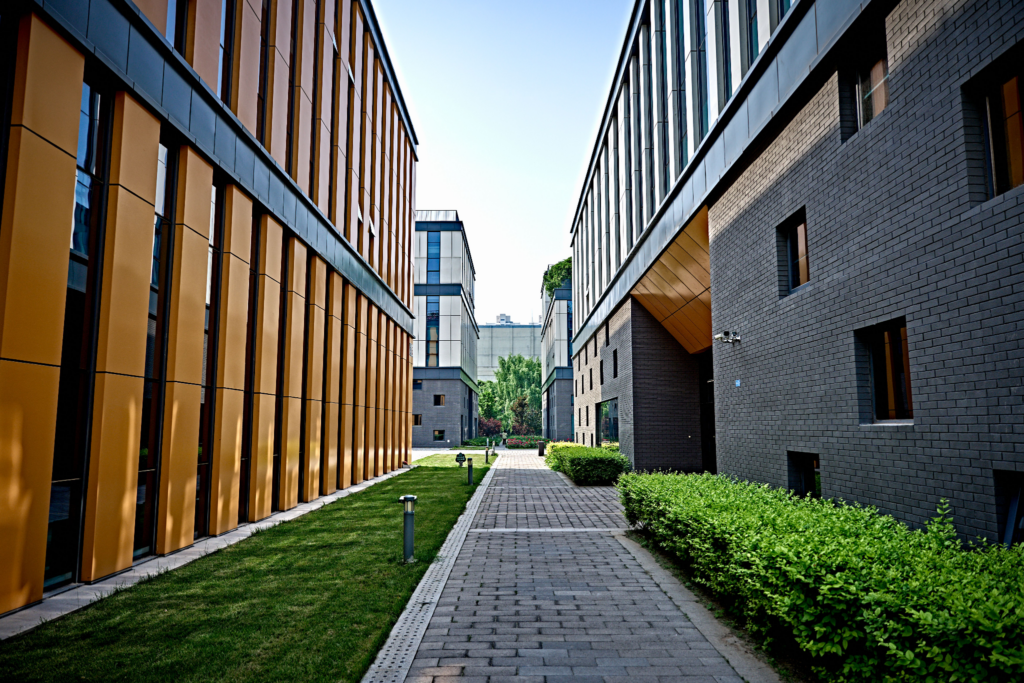
A building’s exterior is the first thing people see, and it immediately shapes their opinion of what’s inside. A messy lawn, overgrown bushes, and cracked paths can suggest a lack of care. On the other hand, a well-designed and maintained landscape creates a welcoming and positive vibe. This is because your surroundings strongly influence how people perceive a space and the people or businesses behind it.
For businesses, this first impression is really important. It can decide if a potential customer walks in or if someone applies to rent a space. Investing in how your property looks shows you’re competent and pay attention to details. The benefits of commercial landscape maintenance extend beyond appearance, helping businesses create a professional image that attracts customers and tenants. A clean, green, and inviting exterior tells people that the organization values quality and cares about its visitors and clients.
Impact on Employee and Tenant Morale
Our surroundings don’t just create first impressions; they also affect the daily lives of everyone in a space. For employees, an office with natural light and views of greenery can lead to more job satisfaction and better productivity. Outdoor break areas or walking paths give people a chance to reset, which helps prevent burnout and creates a healthier work environment.
The same principles of environmental psychology apply to homes. People living in an apartment complex with well-kept grounds, clean common areas, and nice landscaping are more likely to feel proud and connected to their community. This positive feeling can mean they stay longer, take better care of the property, and build a stronger, more stable community. A pleasant environment becomes a benefit in itself, directly helping residents feel good.
Beyond Aesthetics: Safety and Function
Good landscape management isn’t just about looking nice; it’s also about making sure the space is safe and works well for everyone. Proper management deals with potential dangers before they become problems. This means:
- Keeping paths and entrances clear of overgrown plants or trash.
- Trimming tree branches that could fall and cause harm or damage.
- Making sure outdoor lights aren’t blocked by plants, which improves visibility and safety at night.
- Maintaining proper slopes and drainage to prevent icy spots in winter or standing water after rain.
When a property is designed and maintained with its purpose in mind, it becomes more useful and enjoyable. Outdoor areas truly become part of the building, offering places for people to relax, socialize, or just enjoy some fresh air in a safe, easy-to-access setting.
Our surroundings aren’t just a background to our lives. They actively help shape our thoughts, influence our choices, and impact our overall well-being. By paying more attention to how we design and maintain our shared spaces, we can create environments that support positive, healthy, and productive mindsets.
Discover more from The Cameron Journal
Subscribe to get the latest posts sent to your email.