
Supporting Modern Businesses with the Right Infrastructure
Businesses today rely on a combination of technology, organisation, and security to operate efficiently. Whether managing an office, retail space, warehouse, or public venue, investing in reliable infrastructure helps improve productivity while creating a safe and professional environment for employees and visitors alike.
From robust network systems to effective crowd management and strong data protection practices, every aspect of a workplace contributes to its overall performance. Organisations that invest in these areas are often better equipped to meet customer expectations, adapt to technological change, and comply with evolving regulations.
Creating Reliable Network Infrastructure
Fast and dependable connectivity has become essential for almost every organisation. Employees rely on secure networks for communication, cloud services, video conferencing, file sharing, and day to day business operations. Poor network performance can lead to delays, reduced productivity, and unnecessary frustration.
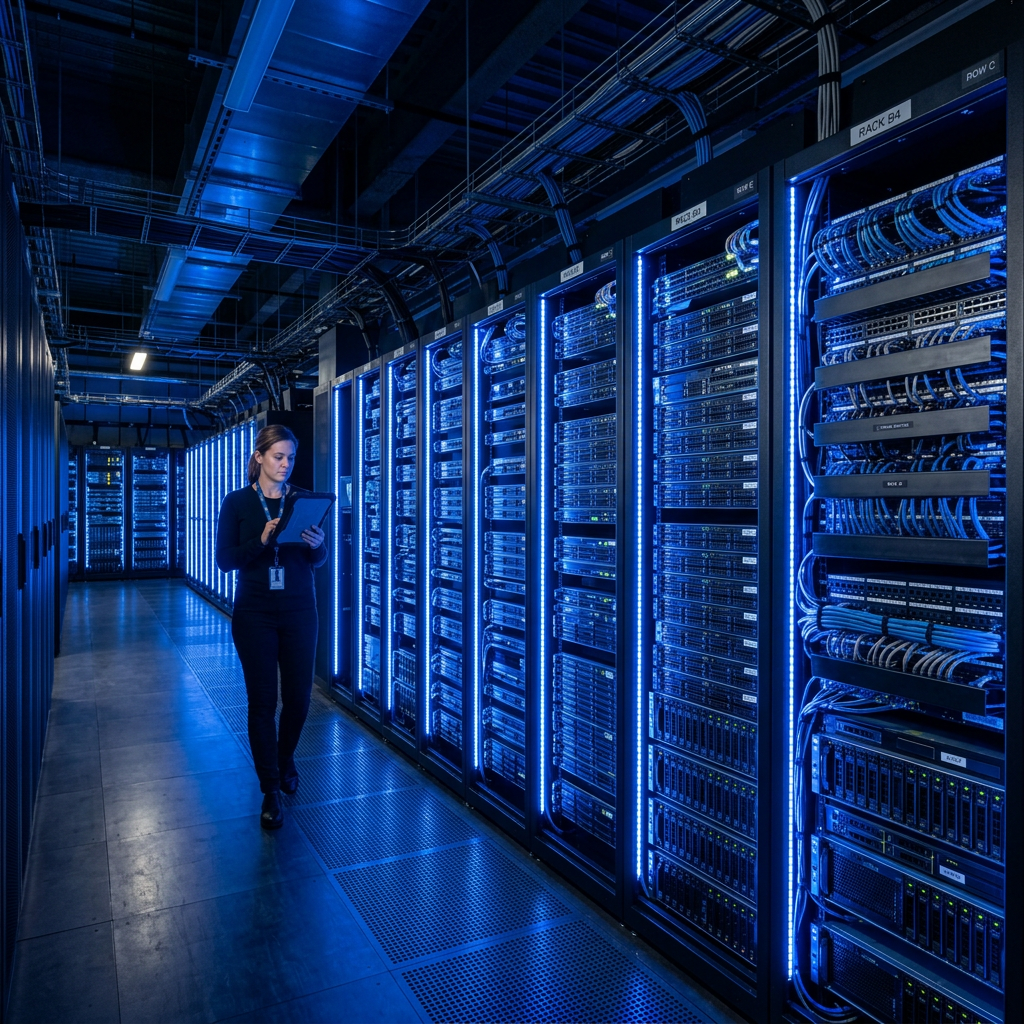
Professional commercial data cabling provides the foundation for reliable business communications. Well designed cabling systems support consistent network performance while allowing organisations to connect computers, telephones, wireless access points, security systems, and other essential equipment.
A structured cabling installation also makes future upgrades easier. As businesses grow or adopt new technologies, an organised infrastructure allows additional devices and services to be integrated without extensive disruption. Careful planning during installation can therefore save both time and money in the long term.
Working with experienced installers ensures cabling is designed to meet current operational requirements while providing flexibility for future expansion.
Organising Safe and Professional Spaces
Business premises often welcome large numbers of employees, visitors, customers, or contractors each day. Managing the movement of people safely and efficiently is an important part of maintaining a professional environment.
One practical solution is the use of retractable barriers. These systems provide a simple and flexible way to guide queues, restrict access to certain areas, and organise pedestrian movement without the need for permanent fixtures.
They are commonly used in airports, retail stores, exhibition venues, offices, healthcare facilities, museums, and entertainment venues. Their versatility allows businesses to adapt layouts quickly in response to changing operational needs or special events.
In addition to improving organisation, barriers help reduce confusion and support health and safety by directing people through designated routes. They can also contribute to a more positive customer experience by creating orderly waiting areas and improving overall site management.
Protecting Valuable Information
Alongside physical infrastructure, protecting sensitive information has become one of the most important responsibilities for modern organisations. Businesses collect and store a wide range of confidential information, including customer records, employee details, financial data, and commercial documents.
Implementing a reliable data privacy solution helps organisations safeguard this information while supporting compliance with legal and regulatory requirements. Effective privacy strategies often combine secure technology with clear internal policies, staff training, and ongoing monitoring.
Businesses that prioritise data protection reduce the risk of unauthorised access, accidental disclosure, and cyber security incidents. They also strengthen customer confidence by demonstrating a commitment to handling personal information responsibly.
As digital systems continue to evolve, organisations should regularly review their privacy measures to ensure they remain effective against emerging threats and changing legislation.
Bringing Physical and Digital Security Together
The most successful workplaces combine strong digital security with practical physical management. Reliable network infrastructure supports secure communication, organised public spaces improve operational efficiency, and effective data protection helps maintain trust.
These elements work together to create business environments that are productive, resilient, and prepared for future challenges. For example, secure network systems enable access control technologies, while organised visitor management supports confidentiality by limiting access to sensitive areas.
Integrating different aspects of infrastructure planning allows organisations to operate more efficiently while reducing operational risks.
Choosing Trusted Suppliers
Investing in quality products and professional installation is essential for achieving reliable long term results. Experienced suppliers understand industry standards and can recommend solutions that match the specific requirements of different sectors.
When selecting service providers, businesses should consider experience, technical expertise, customer support, and product quality. Reliable suppliers also provide ongoing maintenance and advice, helping organisations maximise the value of their investment.
Planning for future growth is equally important. Flexible infrastructure allows businesses to adapt to changing technology, increased staffing, and evolving operational needs without significant disruption.
Preparing for Future Success
Technology and workplace expectations continue to change rapidly, making forward planning more important than ever. Businesses that invest in dependable infrastructure, effective security measures, and well organised facilities place themselves in a stronger position for long term success.
Reliable communication systems improve productivity, organised spaces enhance customer experiences, and comprehensive data protection builds trust with clients and employees alike. Together, these investments create workplaces that are efficient, secure, and capable of supporting future development.
By carefully selecting experienced partners and implementing practical solutions across both physical and digital environments, organisations can build strong foundations for sustainable growth. Attention to infrastructure today helps businesses remain competitive, adaptable, and prepared for the opportunities and challenges of tomorrow.
Discover more from The Cameron Journal
Subscribe to get the latest posts sent to your email.




