Key Takeaways
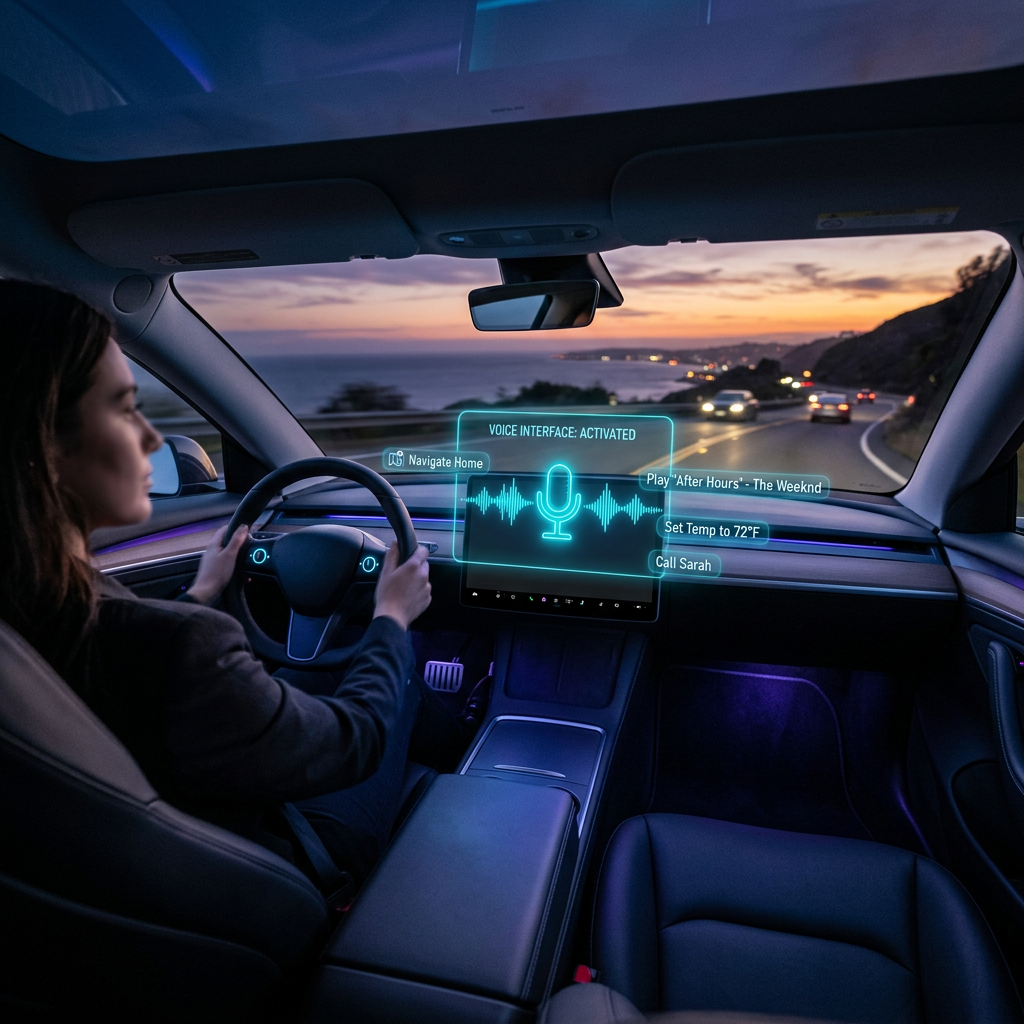
- Voice assistants promote safety by minimizing manual distractions while driving.
- Integrated systems enable control over calls, navigation, and entertainment without losing focus on the road.
- Artificial intelligence personalizes the vehicle experience, adapting to specific preferences and routines.
Voice technology is changing the way people interact with their vehicles, turning everyday drives into smarter, safer journeys. By adopting sophisticated voice assistants, manufacturers are transforming the driver’s seat into a cockpit of convenience, safety, and efficiency. From making simple requests to managing tasks previously handled by touch controls, cars are evolving into truly interactive environments. For those interested in the specifics of this technology, you can find robust AI tools for the automotive industry that highlight how far innovation has already come.
As drivers rely less on buttons and screens, the road itself becomes safer. Multitasking is streamlined as cutting-edge voice AI empowers drivers to focus on what matters. Whether it is communicating, navigating, or customizing their surroundings, drivers are discovering a new level of engagement behind the wheel.
Enhancing Safety Through Hands-Free Operation
Distracted driving has been a consistent safety issue on today’s roads, with many accidents traced back to drivers taking their hands off the wheel to adjust controls. Voice-powered technology helps counter this growing risk. With voice commands, drivers can perform tasks like setting the temperature, making a phone call, or queuing their favorite playlist, all while keeping their hands on the wheel and eyes on their surroundings. Hands-free technology significantly reduces distractions, creating a safer environment for everyone on the road.
Seamless Integration with In-Car Systems
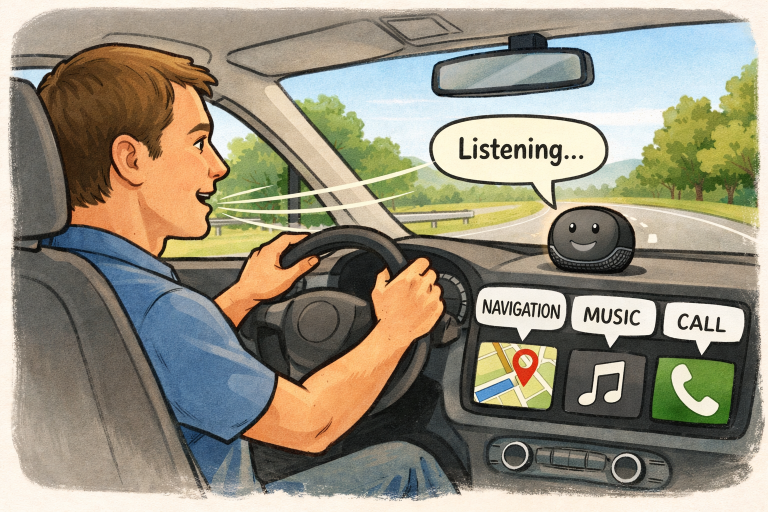
The utility of voice technology expands beyond safety. Today’s vehicles feature comprehensive integration between the car’s voice assistant and essential systems, such as GPS, messaging, and entertainment platforms. This fusion allows drivers to access directions, reply to texts, or control media players via spoken commands. Seamless connectivity lets drivers stay informed and connected without ever needing to look away from their path. The convenience of these features is not just a luxury; for many drivers, it is a necessity that streamlines every commute.
Personalized Driving Experiences
Modern vehicles are equipped to adapt and learn from their drivers. AI-driven voice assistants adjust to recurring destinations, become familiar with preferred temperature settings, or recall favorite music genres. Over time, these systems provide tailored experiences, making every trip feel custom-built for the driver. This pivotal personalization adds significant value for frequent commuters or for those sharing a vehicle among family members with different routines and tastes.
For a broad look at how voice AI is changing other consumer products, The Verge provides an extensive overview in their piece on Meta’s AR/VR hardware roadmap through 2027, which reveals the ripple effect of this technology both in and out of the automotive space.
Voice Commerce and In-Vehicle Transactions
Voice technology is not limited to in-car controls. It is rapidly evolving into a tool for conducting transactions while on the move. Features such as ordering food, booking a parking spot, or paying at gas stations are now accessible through voice commands. This convenience eliminates the need for smartphones or manual payment methods, making life simpler for busy professionals or families on the go. Cars are on the brink of becoming rolling hubs where drivers can manage errands, appointments, and shopping without leaving their seats.
Challenges and Considerations
Widespread adoption of these systems is not without hurdles. One ongoing challenge is voice recognition reliability, especially in noisy environments like highways or bustling city streets. Manufacturers continue to refine microphones and software, but the occasional misinterpretation can lead to frustration. More importantly, privacy concerns pose a significant barrier. Drivers want confidence that their conversations and data are secure. Effective encryption and transparency about data use are crucial, as noted by Wired in their coverage of voice assistant security issues.
Additionally, the learning curve for some users should not be underestimated. Older drivers or those less familiar with technology might struggle to master complex command structures, which raises the importance of intuitive, user-friendly interfaces and clear tutorials. Automakers are beginning to roll out systems with more natural conversational interactions and smarter error correction to ease this transition. The continuous feedback loop between drivers and their digital assistants should ultimately refine the experience for all skill levels.
Another consideration centers around ongoing updates and maintenance. Automakers and technology firms need to collaborate closely to ensure vehicles support not just current features but future enhancements as well. Over-the-air software updates are becoming more commonplace, ensuring that drivers always benefit from the most current advances in voice recognition, security, and integration. This process also positions cars to adapt rapidly to emerging technologies or the evolving needs of their owners.
The Future of Voice Technology in Automobiles
The story of voice-powered cars is only beginning. Advancements in natural language processing will soon offer a more conversational and natural experience. Multilingual support is anticipated to become standard, giving access to drivers around the globe. Another emerging trend is deeper integration with smart home devices, letting drivers adjust lighting, thermostats, and security systems before leaving or returning home. From smarter traffic predictions to context-aware infotainment, the vehicle is set to become an intelligent partner rather than merely a machine.
As the boundaries between vehicles and personal technology continue to fade, there is a growing conversation about cars as digital ecosystems in their own right. The ability for vehicles to sync seamlessly with digital calendars, smart home routines, and even health apps introduces a new layer of connectivity and comfort. These advancements could eventually allow cars to suggest optimal departure times based on weather or traffic, check your home’s security status, or even read health metrics from wearable devices, to proactively adjust your cabin settings for comfort or relaxation. Automakers and tech companies are keenly focused on harnessing these opportunities to drive greater loyalty and strengthen their brand value in a competitive market.
Voice technology continues to redefine daily commutes, fortifying both safety and convenience. With intuitive integration and AI-backed personalization, the future looks bright for voice-powered vehicles. As innovation accelerates, drivers can look forward to a world where their cars understand, adapt, and respond in ways that make every journey smoother and more enjoyable.
Discover more from The Cameron Journal
Subscribe to get the latest posts sent to your email.